Would I Prefer a Home Deeper in Heritage Ranch or Closer to the Gate?
October 8, 2026
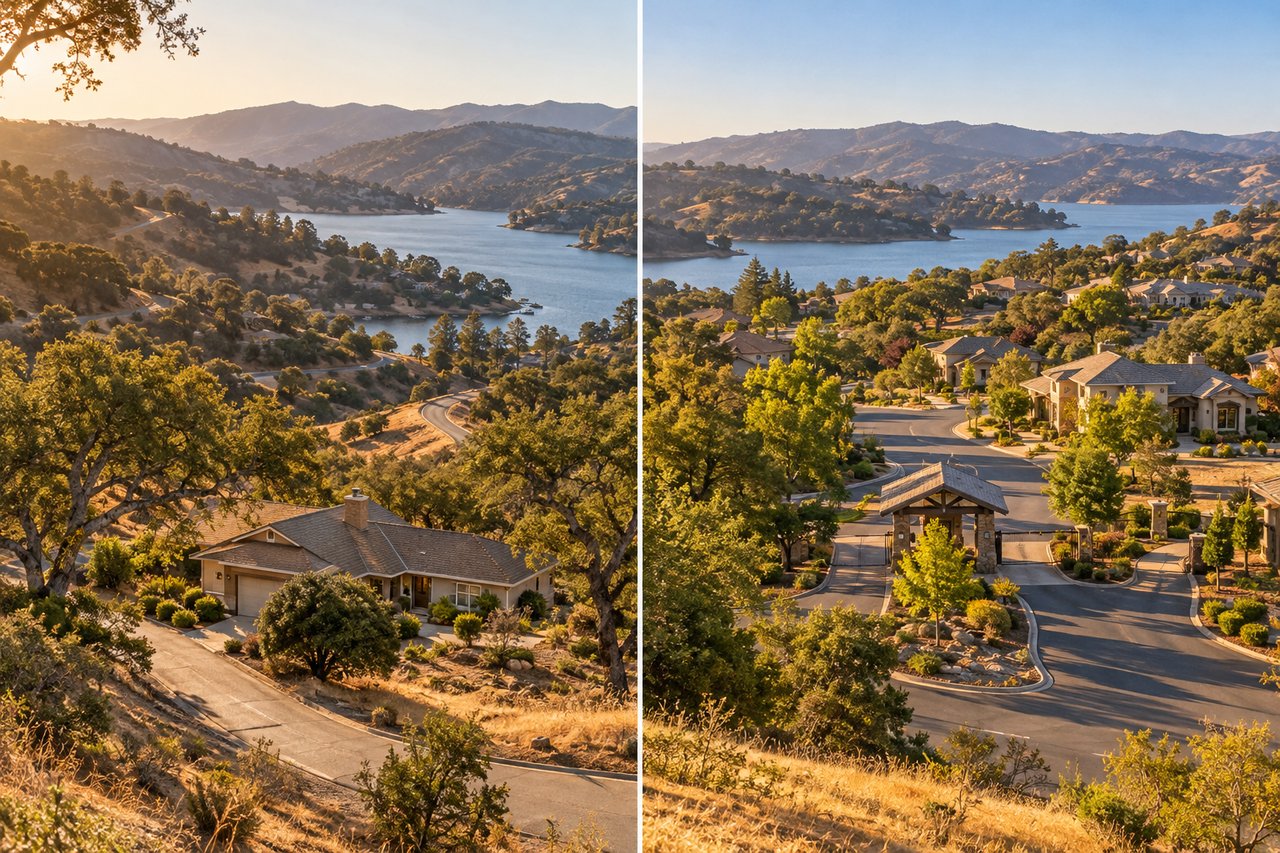
October 8, 2026
Compare drive time, road patterns, lake and amenity access, privacy, visitor convenience, and the routines each part of the community supports.
You might prefer a home closer to the gate if getting in and out efficiently matters most to your everyday life. You might prefer a home deeper in Heritage Ranch if a particular setting, outdoor space, or connection to the activities you enjoy makes the additional drive worthwhile. Neither location is automatically better. The useful comparison is between two actual homes and the routines you would build around them.
Here’s the thing: “closer to the gate” and “deeper in the community” describe location, but they do not tell you everything about the experience. A house near an entry route can still have a private backyard. A house farther inside can still sit along a road used by neighbors and visitors. You need to look at the route, the parcel, the surrounding homes, and your own schedule together.
I’m Amber Johnson, founder of Pillar Real Estate in Paso Robles. When buyers compare locations in Heritage Ranch, I encourage them to move beyond the first impression of a view or the appeal of a gated setting. The right home should work on an ordinary Tuesday as well as on a weekend when you have time to enjoy the community.
Think about where you go most often. Work, school, appointments, groceries, activities, and visits with friends can matter more to your experience than an occasional trip to the lake. Write down the trips you make in a normal week and identify which ones require leaving the community.
If you expect to drive out several times a day, the route between the home and the gate deserves close attention. An extra stretch of internal driving can become noticeable when you repeat it in both directions. Instead of relying on a general description, drive the actual route and record what you experience.
Pay attention to turns, visibility, grades, intersections, and how comfortable you feel driving after dark. A map can help you understand distance, but it cannot fully explain how the road feels from the driver’s seat. Use the vehicle you would normally drive whenever practical.
If Paso Robles is part of your daily routine, the article on whether Heritage Ranch is practical for a household that works in Paso Robles can help you frame the broader commute question. Then bring that discussion back to the specific address you are considering. Two homes in the same community can produce different daily routines.
A home closer to the gate may shorten the internal portion of a trip, but it does not change everything that happens after you leave. Compare the whole trip to your usual destinations. That keeps you from giving one part of the drive more importance than it deserves.
Try the route at times that resemble your schedule, if access and showing arrangements allow. A quiet midday visit may feel different from your expected departure or return time. Your goal is to observe conditions, not to assume that one visit establishes a permanent travel time.
Also consider how often you would combine errands. Someone who leaves once, completes several stops, and returns home may feel differently about internal distance than someone who makes repeated short trips. The same house can make sense for one household and feel inconvenient for another.
Use your own priorities rather than someone else’s shorthand. “It’s only a little farther” can be accurate as a description of distance and still miss what matters to you. Comfort, predictability, and the number of weekly trips all belong in the decision.
It is tempting to assume that a home deeper inside the community will be quieter or more private. Sometimes the setting supports that impression. Sometimes the arrangement of neighboring homes, outdoor spaces, or the road tells a different story.
Stand in the places you would use most. Look out from the kitchen, patio, living room, and bedrooms. Notice which windows face neighboring windows, where vehicles pass, and whether the yard has usable separation. Landscaping and fencing can influence the feeling of privacy, but they should be evaluated as they exist today.
Listen during your visit, and return at another time if possible. You may notice road activity, outdoor gatherings, equipment, pets, or other everyday sounds. A brief showing cannot promise future quiet, but it can help you ask better questions about the setting.
A home closer to the gate can still offer a comfortable private space if its orientation and surroundings work well. A home farther inside can feel exposed if the patio overlooks a frequently used route. Choose based on the actual experience of the parcel, not just its position on a community map.
If lake-oriented recreation is a major reason you are considering Heritage Ranch, compare each home’s practical relationship to the facilities and access points you expect to use. Do not assume that a location deeper inside automatically provides the most useful access.
Confirm current community rules, availability, permitted uses, and any requirements with the appropriate community source. Ask how access works for residents and guests. If you own recreation equipment, understand storage, parking, and movement before treating a particular house as the solution.
Think through an actual outing. Where would you keep supplies? How would you load a vehicle? Which route would you take? Where would you return equipment afterward? A location that looks appealing on a map may be less convenient when you include the house’s driveway and storage arrangements.
For broader context, Living in Heritage Ranch: Is It the Right Community for You? can help you consider the community as a whole. This location decision is narrower: which home makes the activities you care about easier to enjoy without creating daily tradeoffs you dislike?
Your location affects more than your own driving. Think about the people who come to the home: family, friends, caregivers, contractors, delivery drivers, and anyone who helps you maintain the property. Clear directions and a manageable route can matter when visits are frequent.
Check current entry procedures rather than assuming visitors can use the community exactly as residents do. Confirm any registration or access steps with the community. You want to understand the process before deciding how convenient hosting or recurring appointments will be.
Once visitors reach the property, look at parking and the route to the front door. A shorter drive from the gate will not solve a steep walkway, limited turning space, or an awkward parking arrangement. These details can matter especially when someone has mobility limitations or arrives after dark.
If you are new to gated communities, the overview of gated communities in San Luis Obispo County provides another starting point. For a purchase decision, verify the specific procedures and documents that apply to the home in front of you.
Community location is only one layer of convenience. The home’s driveway, garage, stairs, paths, yard, and storage areas can influence daily life just as much. Make sure the appeal of the setting does not distract you from these practical details.
Imagine carrying groceries inside, taking trash out, welcoming guests, loading recreation gear, and managing ordinary maintenance. Look at the grade and surface of the driveway. Check where vehicles can turn and whether your household’s parking needs fit the space available.
Consider sun and shade where you would spend time outdoors. A beautiful view from one room does not guarantee a comfortable patio or a useful yard. The orientation, trees, neighboring structures, and slope can shape how you use the property.
These observations are about fit. Inspection and document review address condition, ownership responsibilities, and restrictions. Keep both tracks in view. A location that supports your lifestyle still needs the normal property-specific due diligence.
Before you commit, review the current documents provided for the property and community. Understand the fees, rules, maintenance responsibilities, restrictions, and any information about planned work that is available in the transaction. Ask questions when the documents and your expectations do not line up.
Do not assume that homes in different parts of the community have identical characteristics or responsibilities. Property features, road relationships, easements, and improvements can vary. The title materials, disclosures, and community documents should be considered together.
If a feature is essential to your plans, confirm it through the appropriate source. That might include parking a particular vehicle, storing equipment, making exterior changes, or using an amenity. A casual comment during a showing is not enough for a decision that depends on a specific permission.
My role is to help organize the questions and keep the transaction moving within its deadlines. When a question calls for a community representative, inspector, insurance professional, or another qualified specialist, getting that answer directly is part of a thoughtful purchase process.
A consistent comparison makes it easier to distinguish a strong preference from the excitement of a showing. Use the same categories for a home nearer the gate and a home farther inside:
You can give each category a simple rating, but include a short explanation. “Convenient” means more when you write why. Perhaps the route feels comfortable, your visitors can park easily, or your usual errands combine into one trip. Those reasons tell you more than a total score alone.
If you are still comparing a lake-oriented setting with other North County options, living near Lake Nacimiento versus Templeton addresses the broader choice. Keep this Heritage Ranch comparison focused on the homes and routines you are actually deciding between.
A home closer to the gate may be the better fit when frequent departures, visitors, or a simpler internal route matter most. A home deeper in Heritage Ranch may be the better fit when its setting and relationship to your preferred activities provide enough value to justify the route. Neither choice guarantees privacy, quiet, or a particular lifestyle.
The best decision is the one you can explain in practical terms. You understand the drive, have walked the spaces you will use, have checked the relevant documents, and know why the home supports your household. That is a stronger foundation than choosing a location because someone calls it the most desirable part of the community.
If you are comparing Heritage Ranch homes, I can help you look at the addresses, routes, and property details side by side. At Pillar Real Estate, our Paso Robles and Central Coast perspective helps buyers connect the appeal of a home with the life they want to build around it. Let’s talk about what would make sense for your goals.
Amber
Pillar Real Estate | Amber Johnson, Founder
805.835.3425 | [email protected]
1345 Park St. Paso Robles, CA 93446 | DRE# 01925434
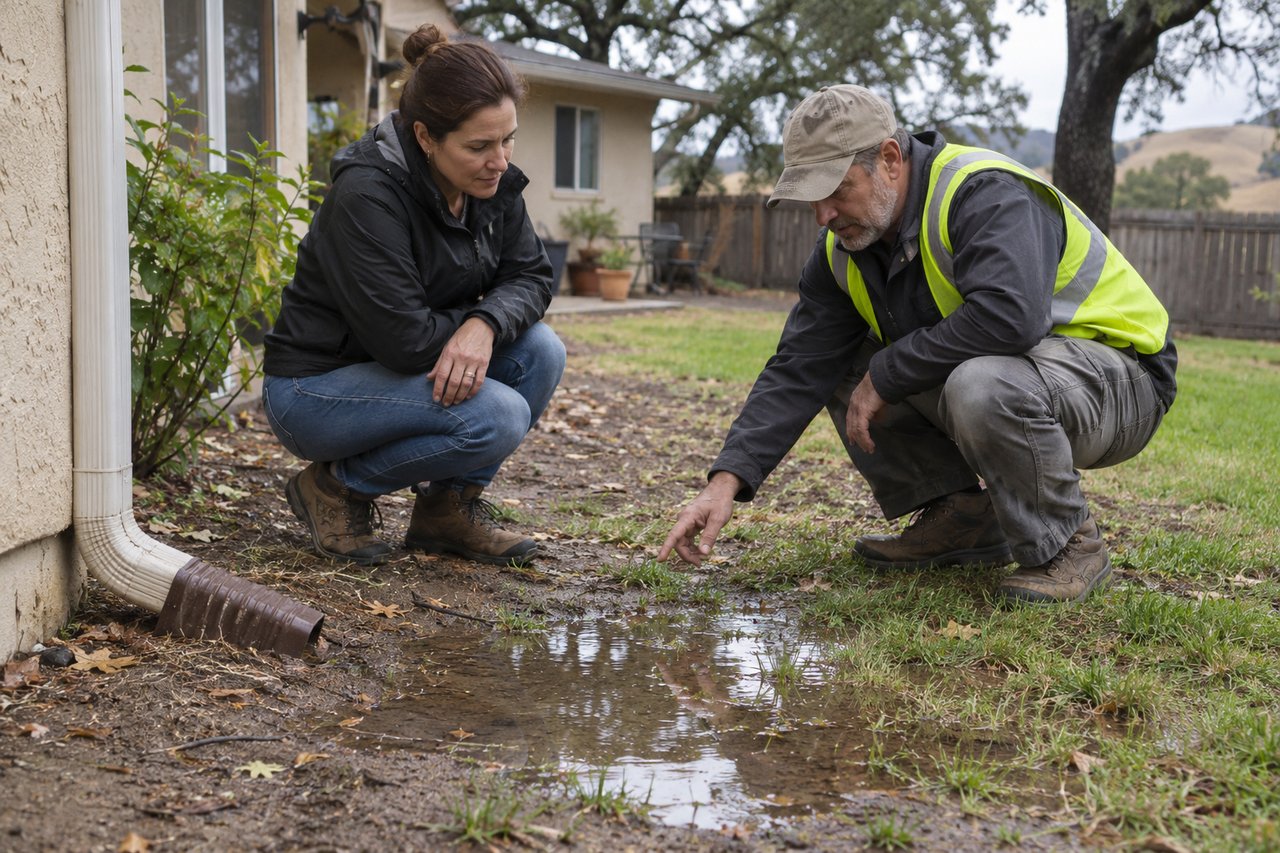
Amber Johnson | November 4, 2026
Identify the cause and compare repair options before buyers see the yard.
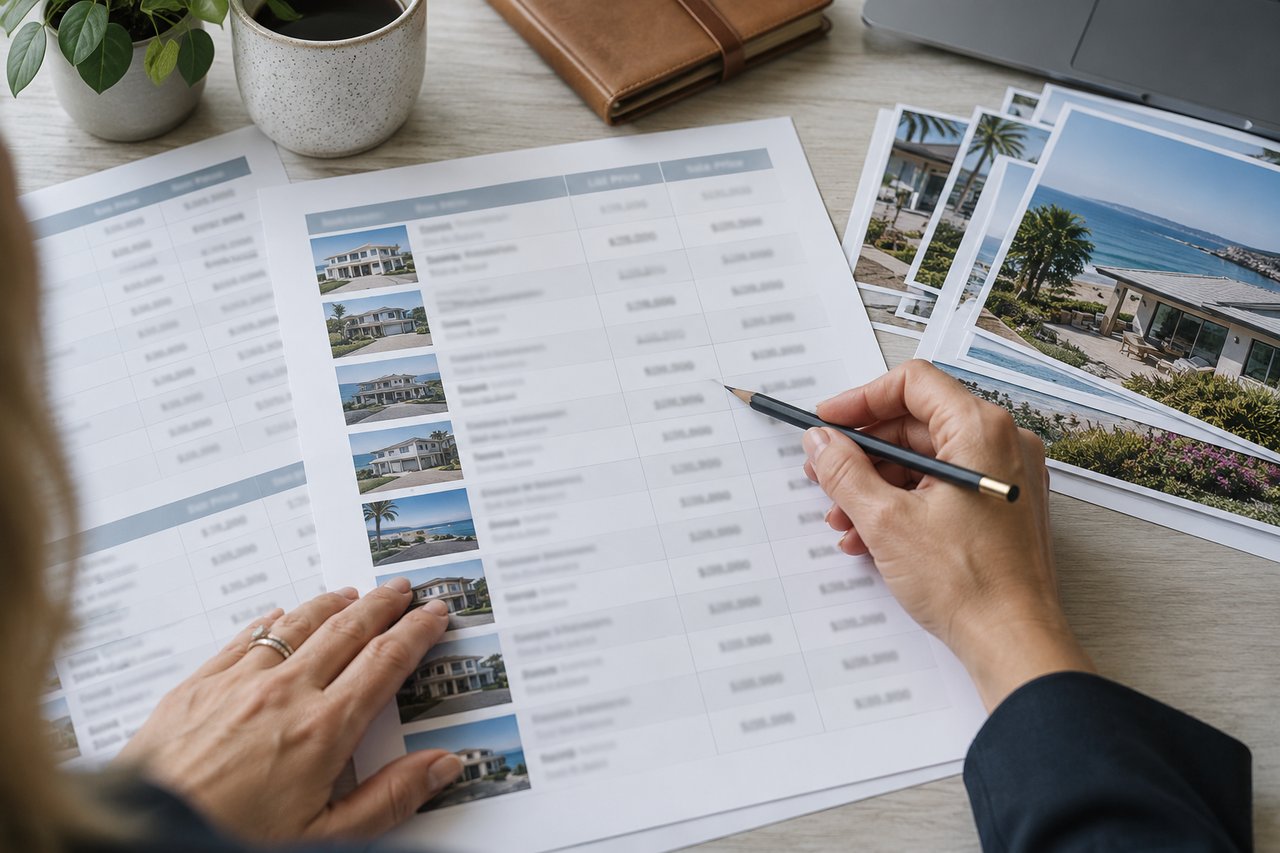
Amber Johnson | November 4, 2026
Understand what the gap may reflect, which price changes came first and why property type and timing still matter.
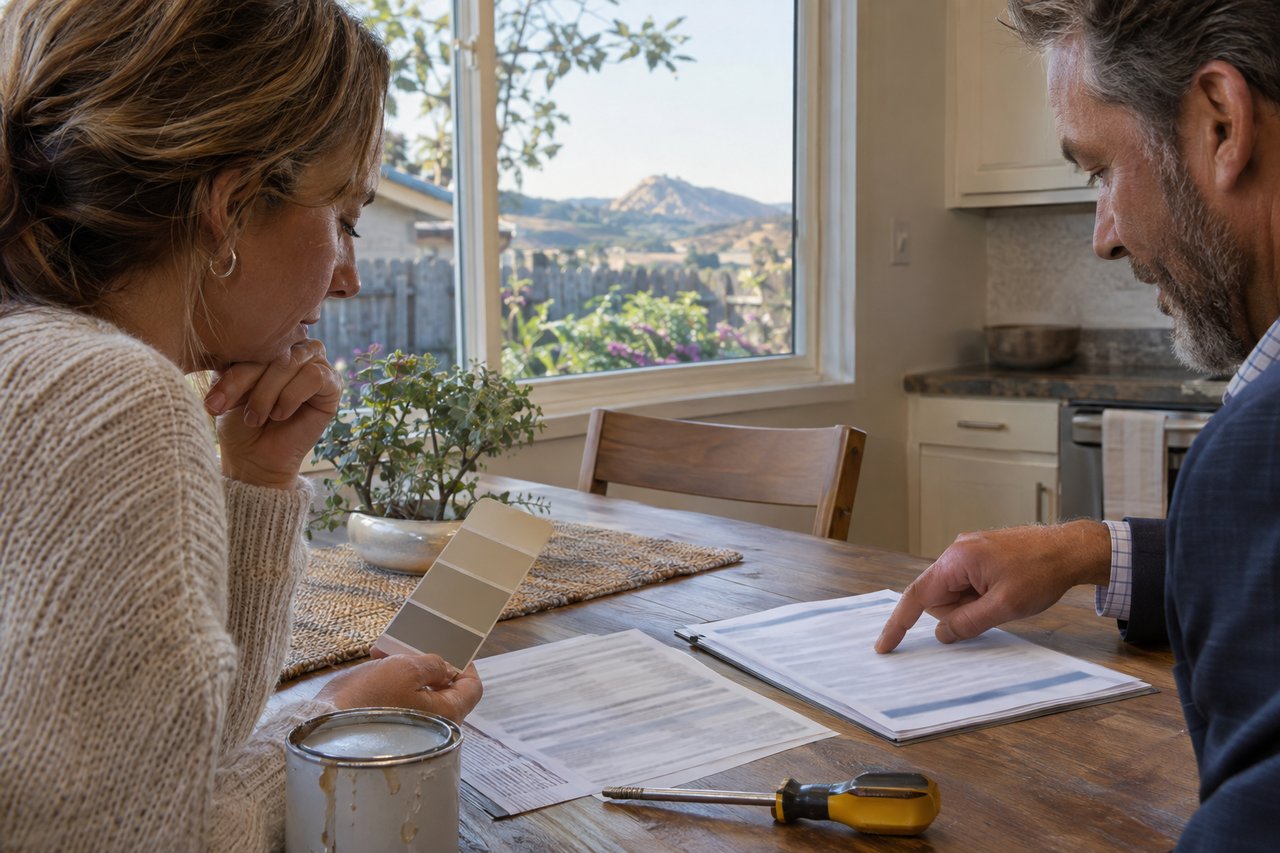
Amber Johnson | November 4, 2026
Compare the cost, timing and buyer impact of each option before choosing.
Amber Johnson | November 4, 2026
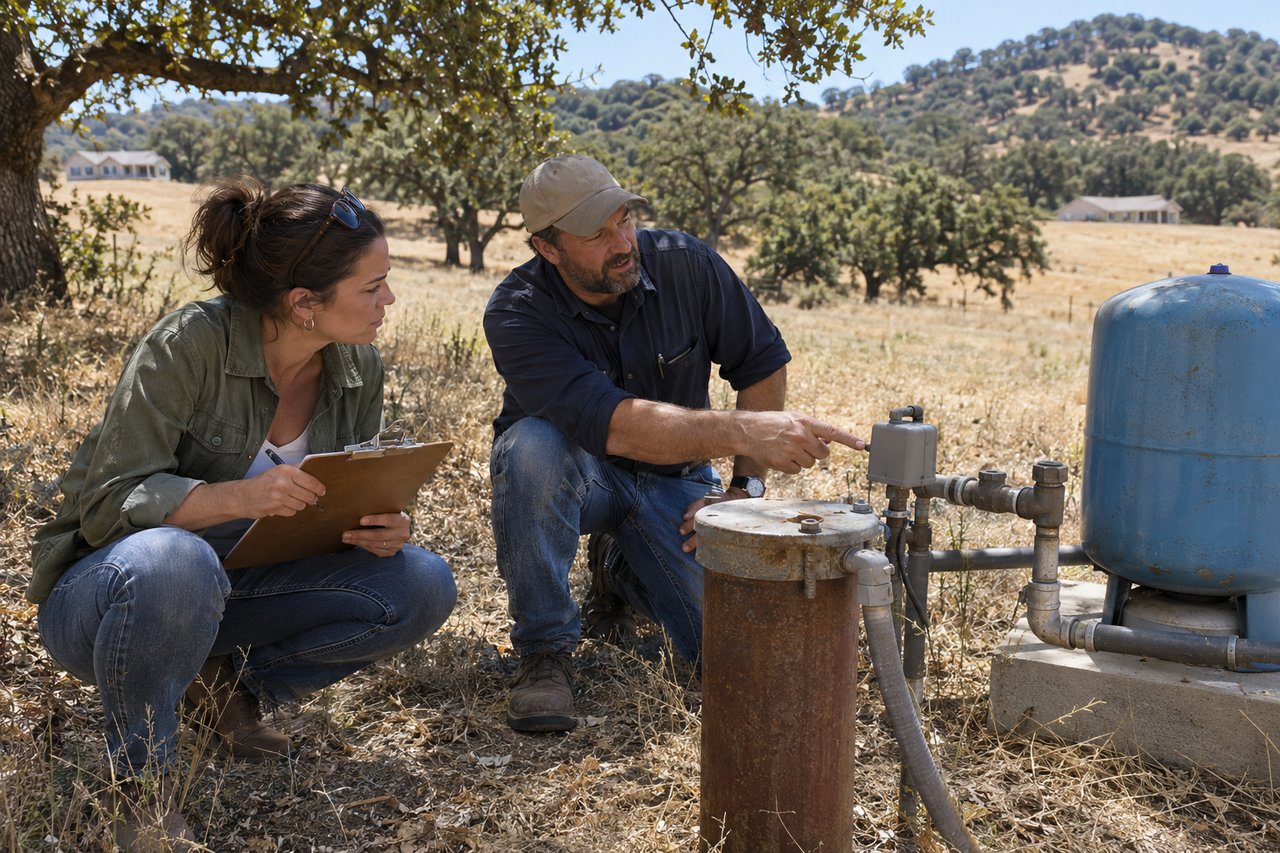
Review the well arrangement, records and equipment before committing to the property.

Amber Johnson | November 3, 2026
Think through market access, travel and how often the routine fits your week.
Amber Johnson | November 3, 2026
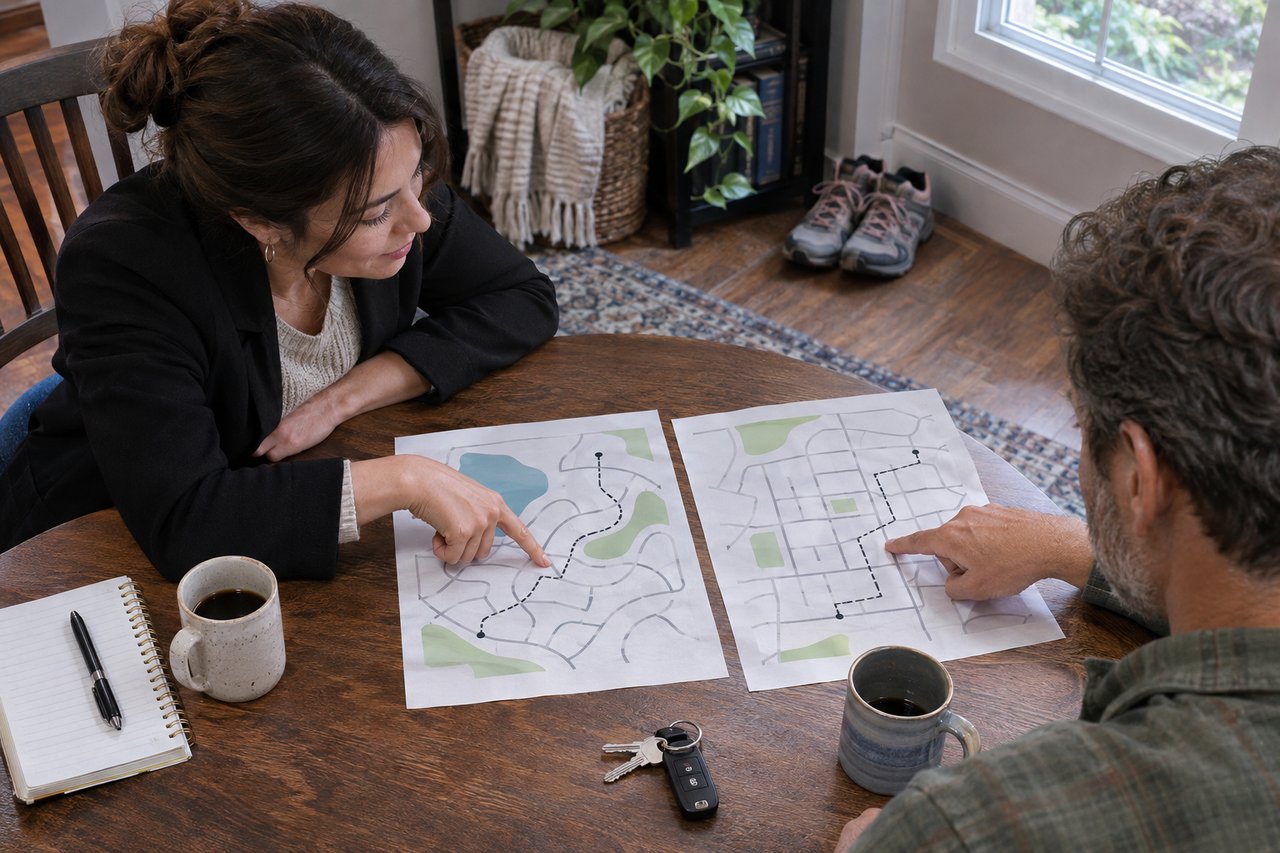
Compare the daily routes and home settings that matter to you in each area.
Amber Johnson | November 3, 2026
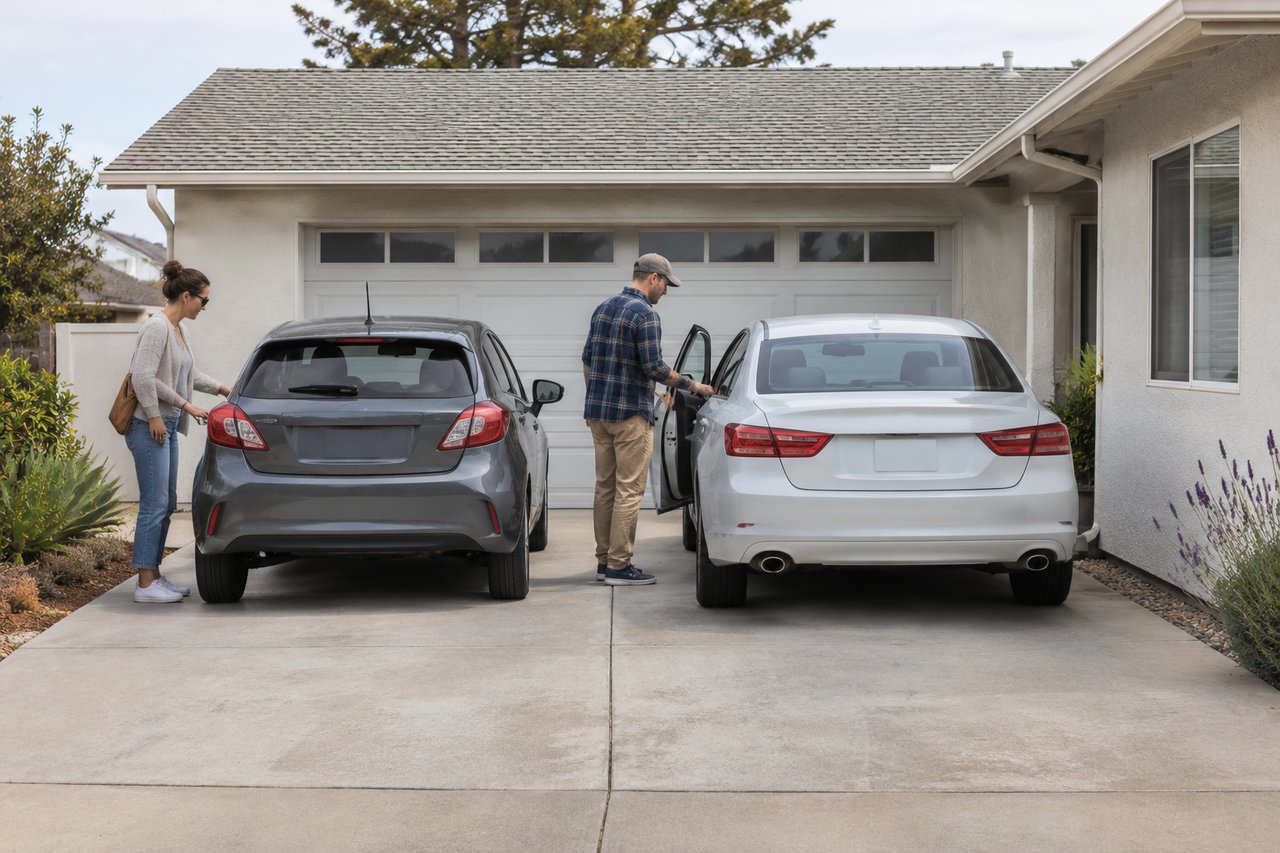
Test parking, daily routes and the layout of a specific home before deciding.
Amber Johnson | November 3, 2026
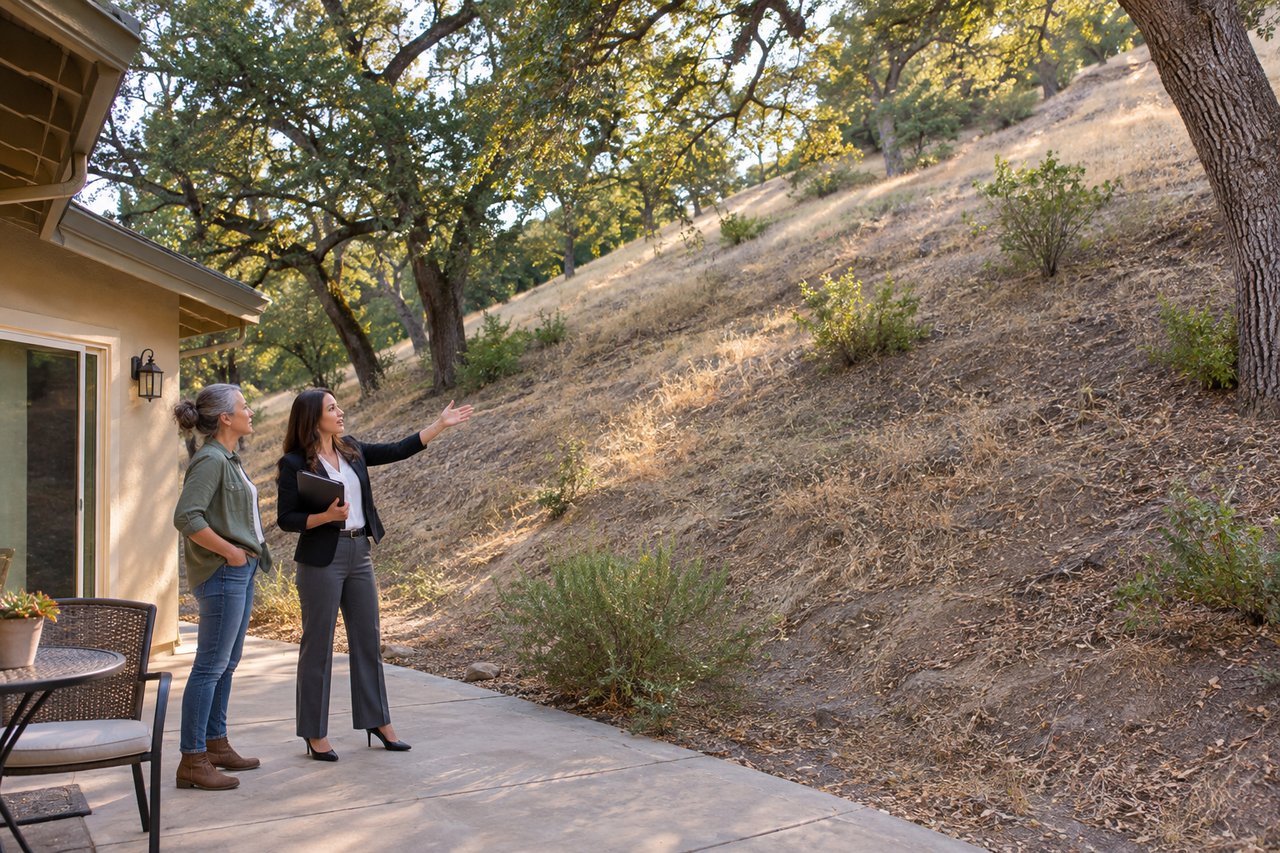
Show how the yard can be used while setting clear expectations about the slope.
Amber Johnson | November 3, 2026
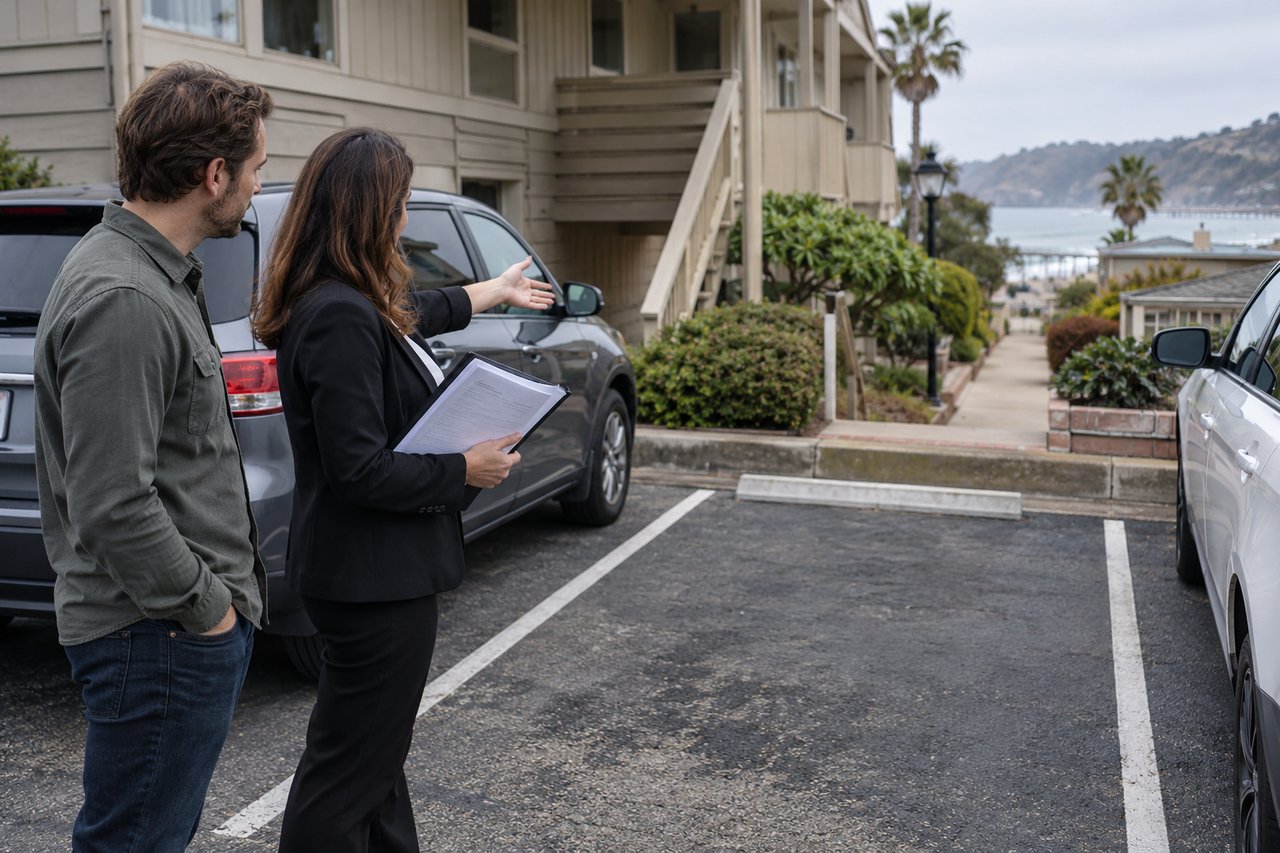
Verify the assigned space, governing documents, access, dimensions and guest-parking rules before relying on the parking arrangement.
You’ve got questions and we can’t wait to answer them.
Amber Johnson, Founder
Pillar Real Estate
805.835.3425
DRE# 01925434
1345 Park Street
Paso Robles, CA 93446