Why Buying a Home Is Starting to Feel More Possible Again
February 4, 2026
February 4, 2026
There’s finally a bit of good news for anyone who’s been priced out or stuck waiting on the sidelines.
Buying a home is getting more affordable.
Monthly payments have started to come down, and the pressure buyers have felt over the past few years is slowly easing. This doesn’t mean homes are suddenly cheap or that affordability challenges are gone. But after a long stretch of headwinds, the shift we’re seeing right now actually matters.
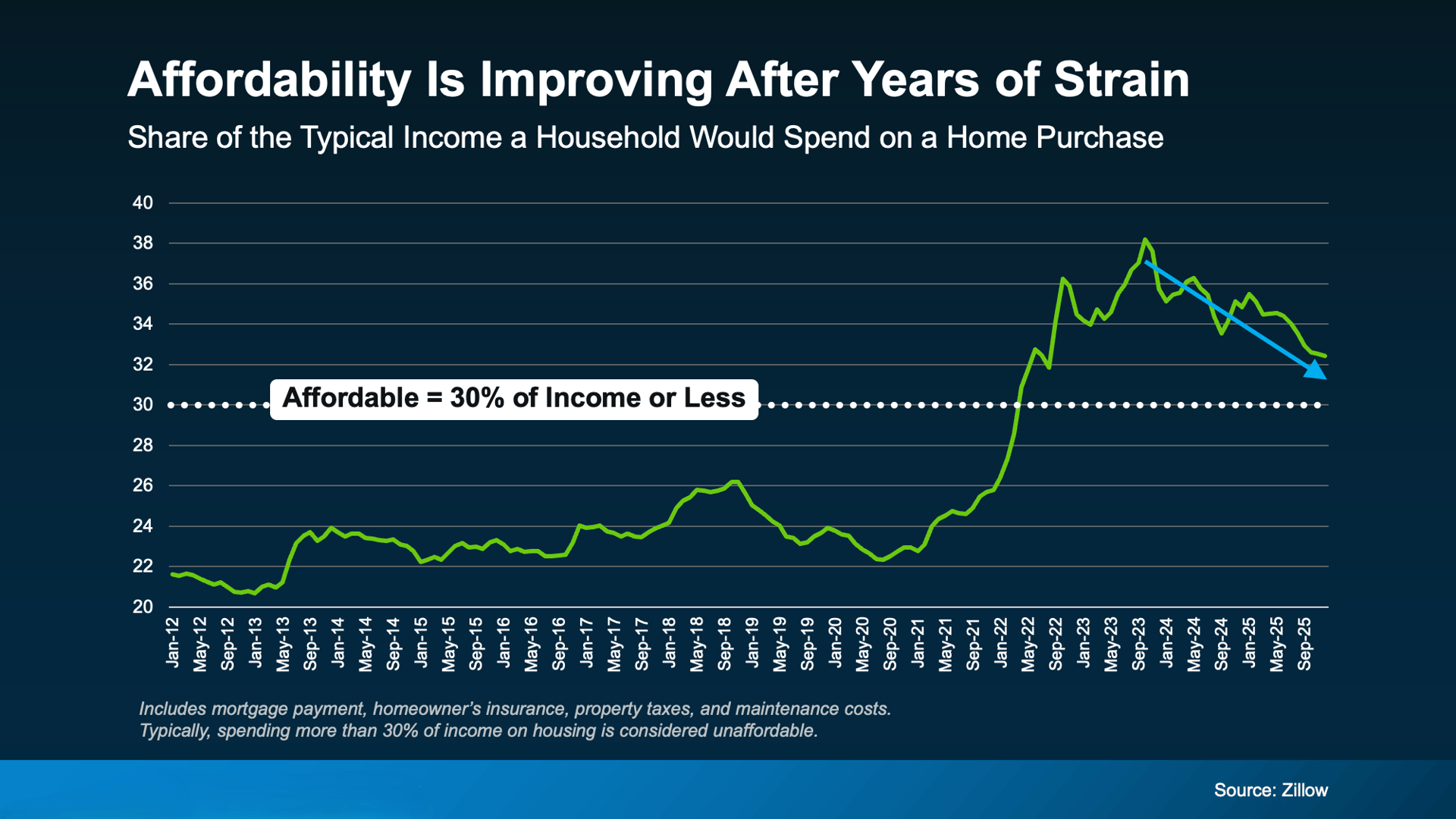
One of the clearest ways to track affordability is by looking at how much of a household’s income it takes to own a home.
Zillow considers housing affordable when total costs, your mortgage, taxes, insurance, and basic maintenance stay at or below 30% of your monthly income. For several years, buyers were well above that benchmark, which made homeownership feel unrealistic for many.
Now, that number is coming down.
Recent Zillow data shows it’s taking less of a typical household’s income to buy a home today than it did just a few years ago. We’re not back to the ideal 30% threshold yet, so affordability is still tight. But the direction has changed and that’s the important part.
Mortgage rates get most of the attention, but they’re only part of the story. Three major trends are working together to make buying more manageable.
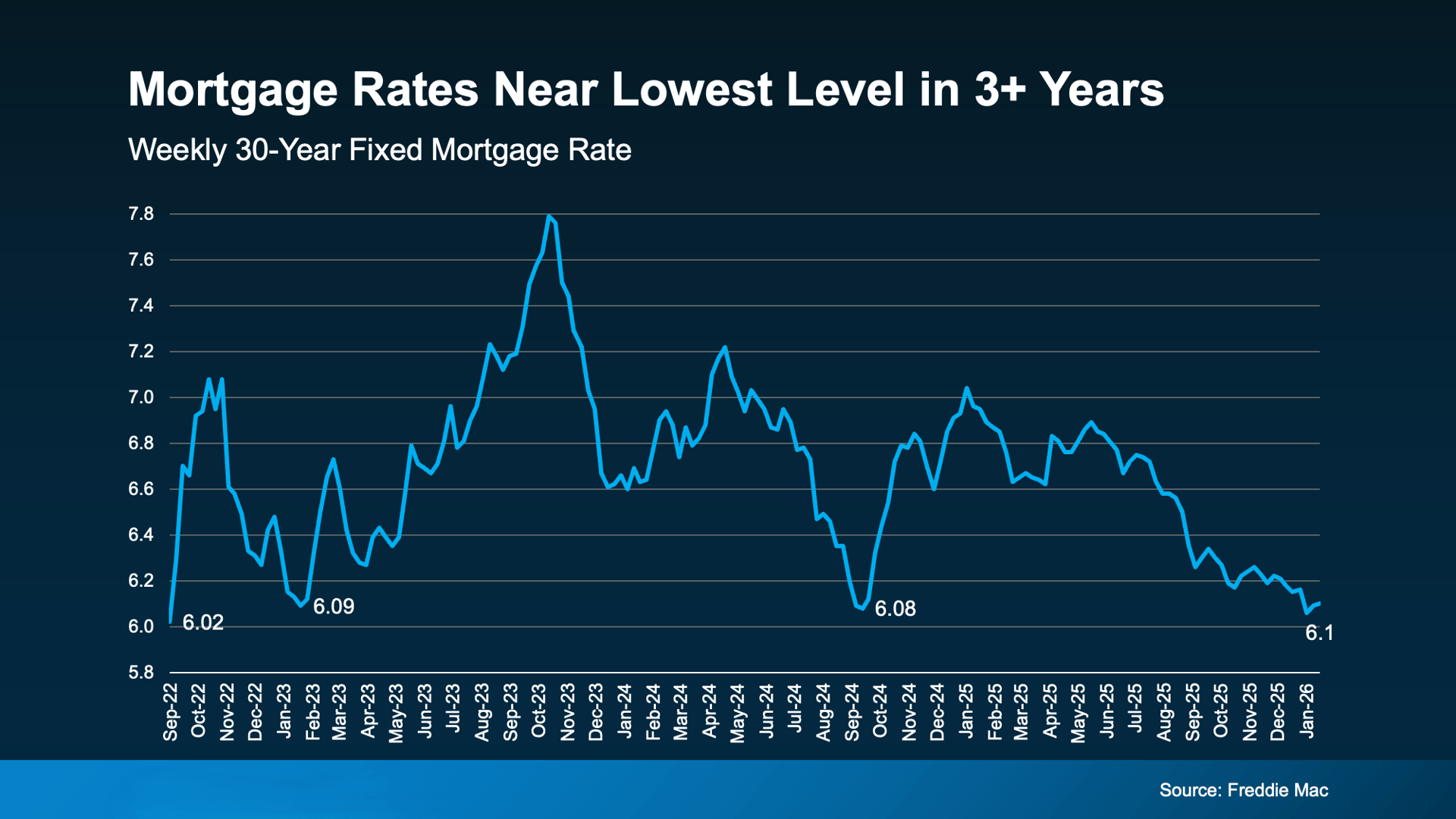
Mortgage rates have eased. Rates are hovering near their lowest levels in more than three years, which directly lowers monthly payments and increases buying power.
Home price growth has cooled. Prices aren’t falling nationally, but they’re no longer jumping at the breakneck pace we saw a few years ago. Slower growth makes budgeting more predictable and reduces the shock factor buyers used to face.
Wages are growing faster than home prices. This is a big one. When incomes rise faster than prices, buyers gain ground even if rates don’t drop dramatically. As Mark Fleming, Chief Economist at First American, explains, income growth outpacing price growth boosts buying power in any rate environment.
Put together, these forces explain why the math is finally starting to work a little better for buyers than it did even a year ago. Affordability isn’t fixed overnight, but the pressure is easing.
Affordability isn’t improving evenly everywhere.
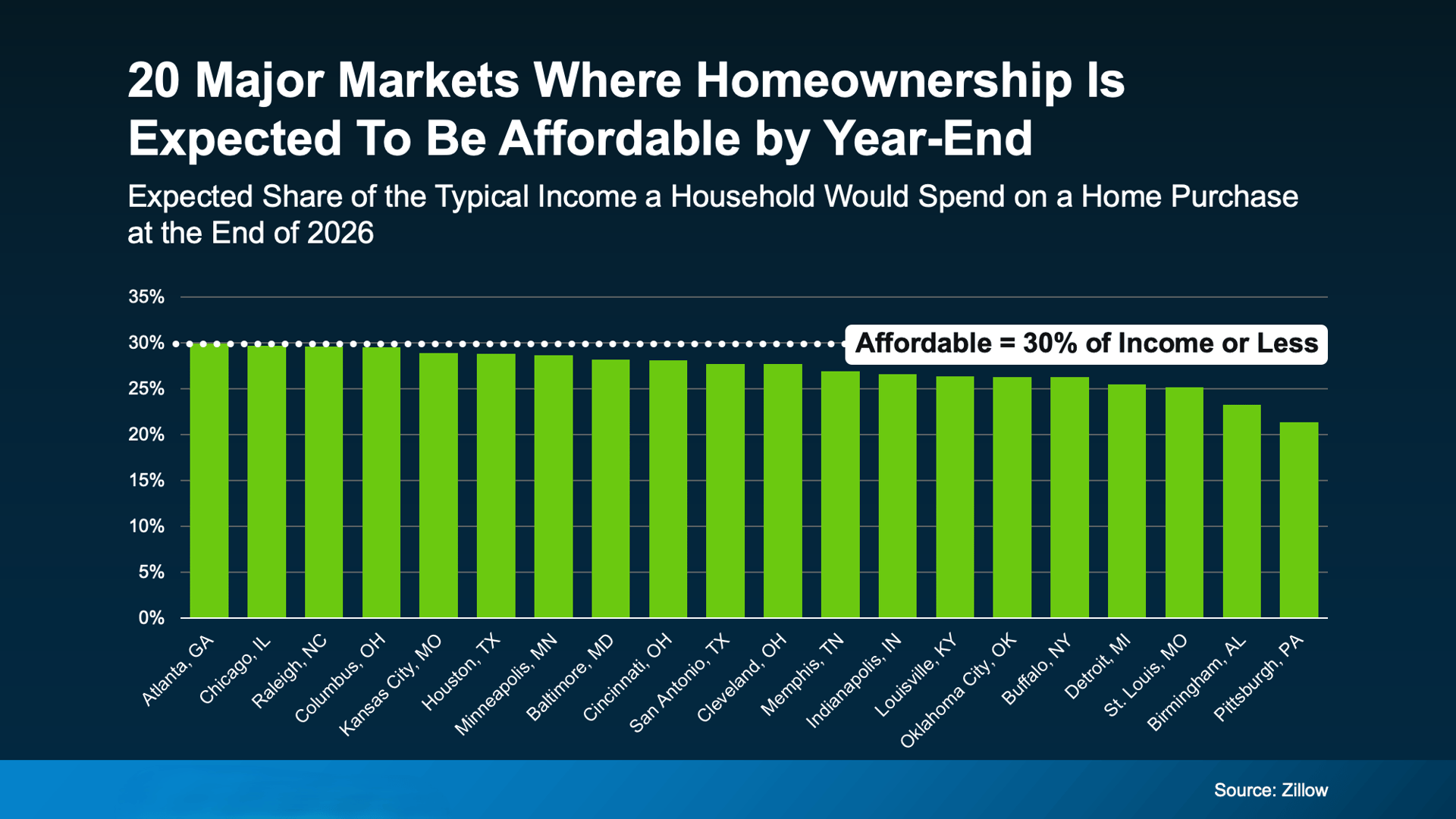
Some markets are expected to fall back under Zillow’s affordability threshold by the end of the year, while others are already seeing meaningful improvement. That’s why national headlines only tell part of the story.
You don’t have to live in one of the “most affordable” markets or wait until the end of the year to take advantage of these shifts. In many areas, buyers already have more breathing room than they realize.
That’s where local insight really matters.
For the first time in a while, buyers aren’t fighting against every single affordability factor at once. Rates are lower, price growth is calmer, and incomes are helping close the gap.
That doesn’t mean buying is effortless. But it does mean the environment is healthier and more workable than it’s been in years.
Affordability is finally easing, and that’s a meaningful shift for today’s buyers.
Because this improvement isn’t happening at the same pace everywhere, understanding what’s changing in your local market is key. If you want to see how these trends apply to your area and what they mean for your budget, connect with a local real estate expert who can walk you through the numbers and your options.
Amber Johnson, Founder
Pillar Real Estate
805.835.3425
[email protected]
1345 Park St. Paso Robles, CA 93446
DRE# 01925434

Amber Johnson | May 22, 2026
Amber Johnson | May 22, 2026
Amber Johnson | May 22, 2026

Amber Johnson | May 22, 2026

Amber Johnson | May 22, 2026

Amber Johnson | May 21, 2026

Amber Johnson | May 21, 2026

Amber Johnson | May 21, 2026

Amber Johnson | May 21, 2026
You’ve got questions and we can’t wait to answer them.
Amber Johnson, Founder
Pillar Real Estate
805.835.3425
DRE# 01925434
1345 Park Street
Paso Robles, CA 93446