What To Know About Closing Costs
September 12, 2024

September 12, 2024
Now that you’ve decided to buy a home and are ready to make it happen, it’s a good idea to plan ahead for the costs that are a typical part of the homebuying process. And while your down payment is probably the number one expense on your mind, don’t forget about closing costs. Here’s what you need to know.
Simply put, your closing costs are the additional fees and payments you have to make at closing. And while they’ll vary based on the price of the home and how it’s being financed, every buyer has these, so they shouldn’t be a surprise. It’s just that some people forget to budget for them. According to Freddie Mac, this part of the homebuying process typically includes:
Some of these are one-time expenses that are baked into your closing costs. Others, like homeowners’ insurance, are initial installment payments for ongoing responsibilities you’ll have once you take possession of the home.
The same Freddie Mac article goes on to say:
“Closing costs vary greatly depending on your location and the price of your home. Typically, you should be prepared to pay between 2% and 5% of the home purchase price in closing fees.”
With that in mind, here’s how you can get an idea of what you’ll need to budget. Let’s say you find a home you want to purchase at today’s median price of $422,600. Based on the 2-5% Freddie Mac estimate, your closing fees could be between roughly $8,452 and $21,130.
But keep in mind, if you’re in the market for a home above or below this price range, your numbers will be higher or lower.
If you’re wondering if there’s any way to inch that down a little bit, NerdWallet lists a few things that could help:
“Your real estate professional should be able to steer you toward applicable programs, and the U.S. Department of Housing and Urban Development (HUD) maintains a helpful resource for finding homebuying assistance programs in every state.”
Planning for the fees and payments you'll need to cover when you're closing on your home is important – and it doesn’t have to be a big surprise. For more tips and expert advice, partner with a team of trusted real estate professionals, including a trusted agent and lender.
Amber Johnson | October 7, 2026
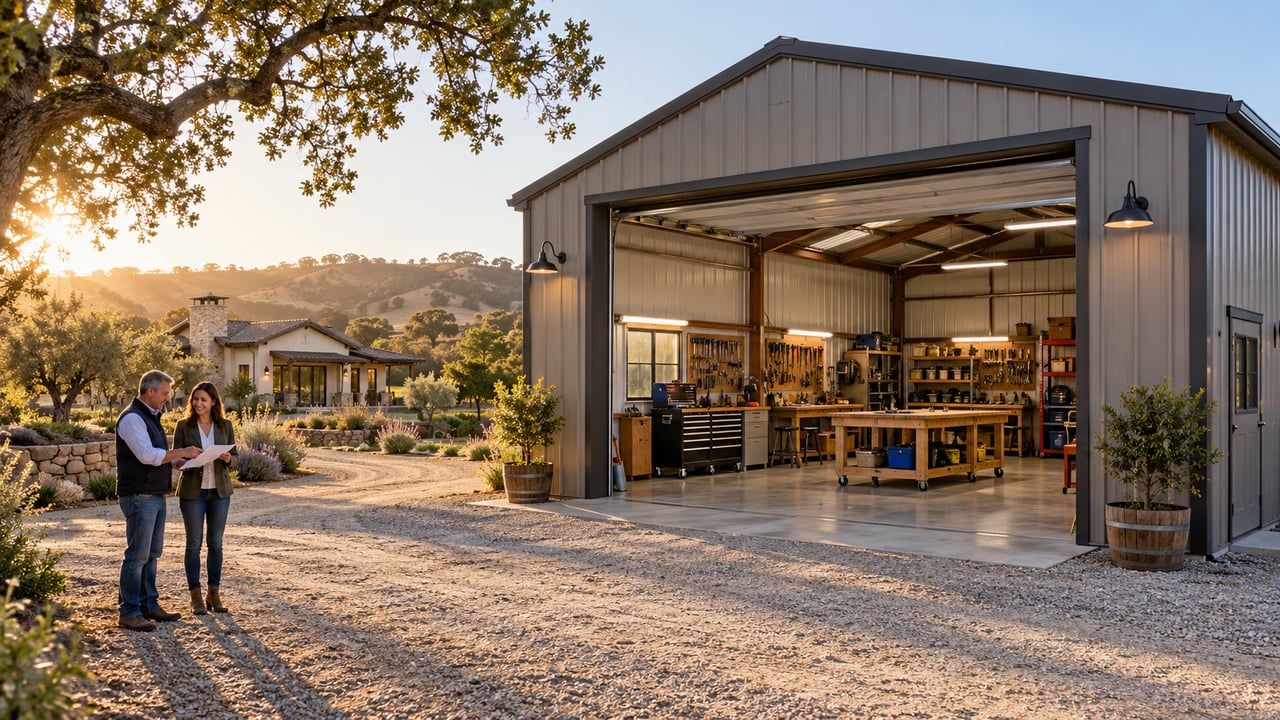
Show buyers how the workshop supports real uses while documenting access, utilities, permits, condition, and the property’s broader value.

Amber Johnson | October 7, 2026
Use the cash-sale share as context for competition and negotiation without treating one market measure as the whole story.
Amber Johnson | October 6, 2026
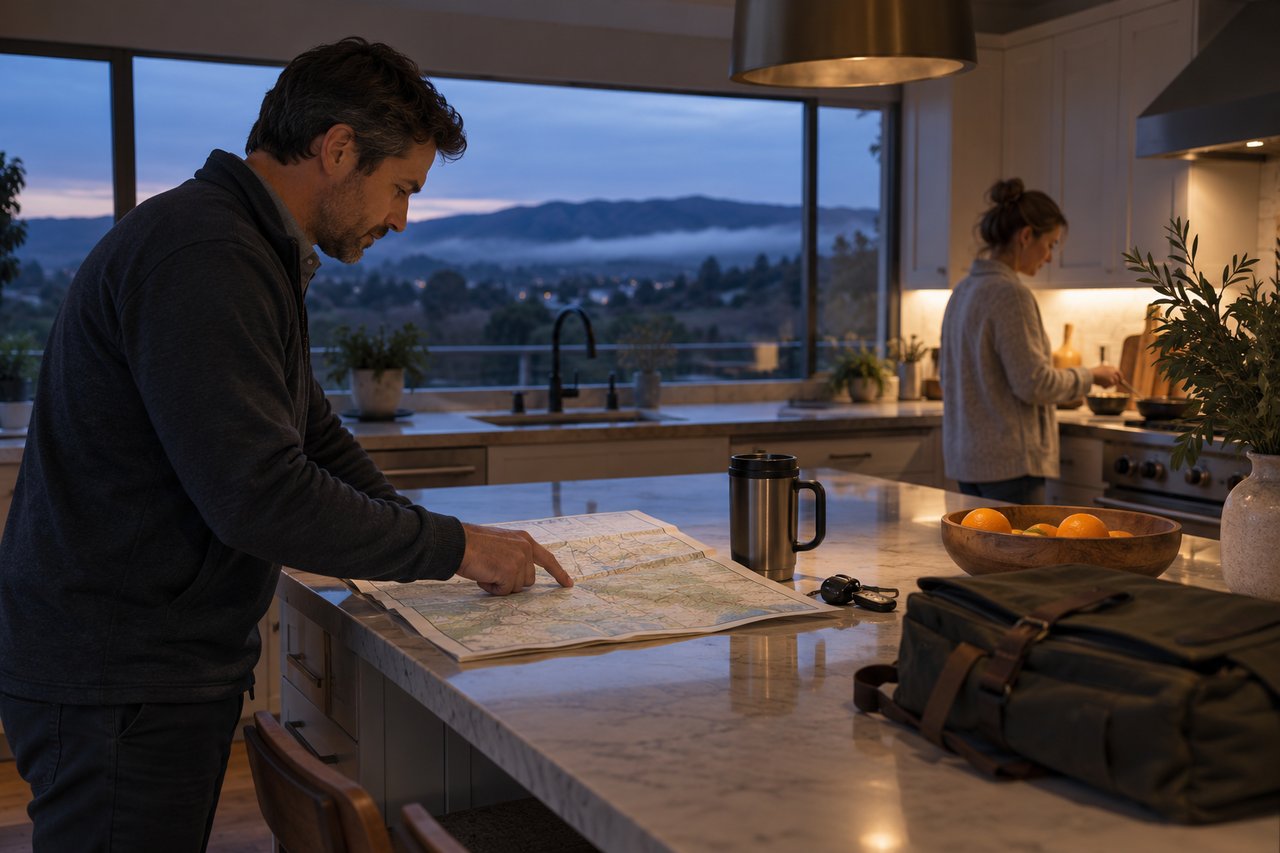
Compare work schedules, route options, daily errands, and the time you want to keep for life outside the car.

Amber Johnson | October 6, 2026
Consider morning routines, outdoor plans, home comfort, visibility, and the local weather patterns that influence daily life.

Amber Johnson | October 6, 2026

Amber Johnson | October 6, 2026
Compare daily routes, parking, recreation, housing patterns, and the routines each part of San Luis Obispo supports.

Amber Johnson | October 6, 2026

Amber Johnson | October 6, 2026
Compare two commute directions, work schedules, daily errands, and neighborhood priorities before choosing where to live.
Amber Johnson | October 6, 2026
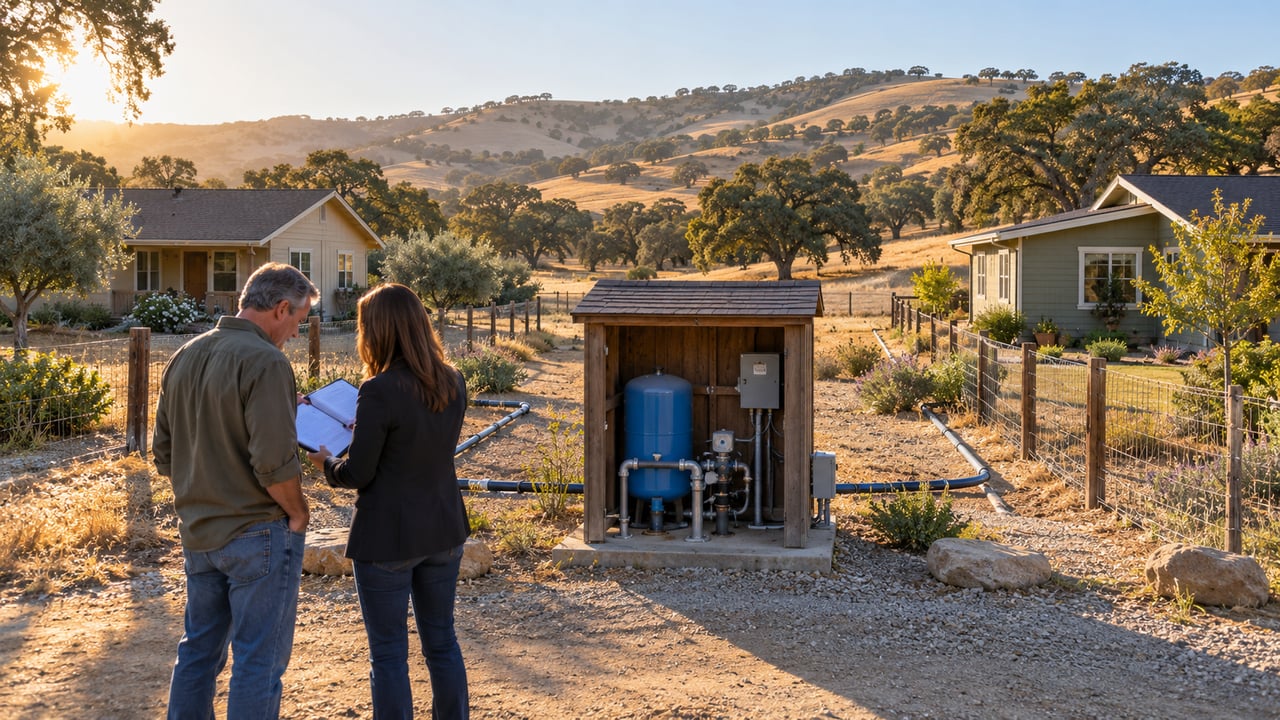
Clarify the well agreement, available records, maintenance responsibilities, and buyer questions before the home reaches the market.
You’ve got questions and we can’t wait to answer them.
Amber Johnson, Founder
Pillar Real Estate
805.835.3425
DRE# 01925434
1345 Park Street
Paso Robles, CA 93446