What Should Buyers Check Before Buying an Atascadero Home on a Private Road?
October 14, 2026
October 14, 2026
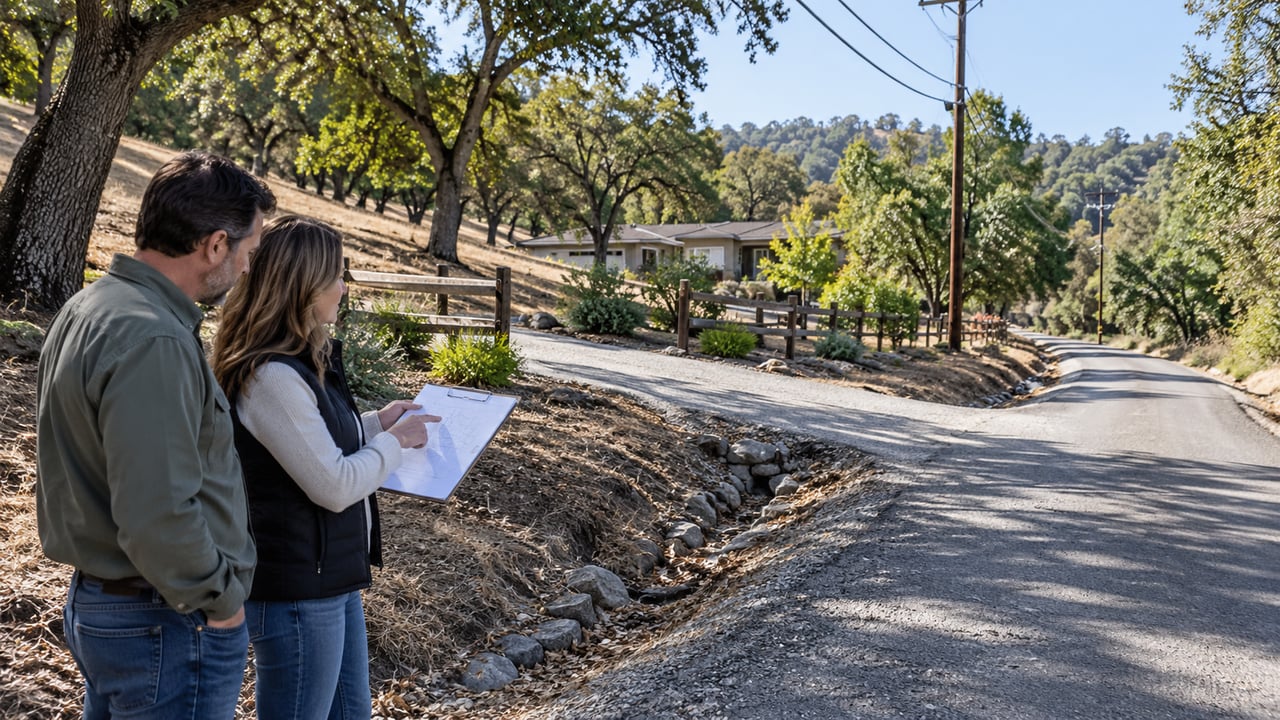
Before buying an Atascadero home on a private road, confirm your legal access, who maintains the road, and what that maintenance could cost. Then evaluate the physical route, drainage, emergency access, utilities, financing, and insurance. A road that looks easy to drive isn't automatically a road with clear ownership responsibilities.
Here's the thing. A private road can be a workable part of owning a home. The goal is to understand what you're buying before you remove your protections and commit. You need the documents and the physical condition to tell a consistent story.
I'm Amber Johnson with Pillar Real Estate in Paso Robles. I help buyers and relocating households compare properties throughout North San Luis Obispo County, including Atascadero. My approach is property-specific. The right strategy starts with the questions that could change your cost, access, and everyday use.
Start by establishing the road's status. A street sign, paved surface, mailing address, or regular vehicle traffic doesn't prove public ownership or public maintenance. Ask which portions of the route are public, which are private, and where the property's own driveway begins.
Request the available recorded maps, access documents, title information, and any road association records. Have the title company explain the relevant recorded exceptions. If ownership or responsibility remains unclear, bring in a qualified real estate attorney or surveyor before relying on an assumption.
Map the entire route from the public road to the house. A short shared segment can be as important as a long private road. Identify each parcel crossed and any gate, bridge, drainage crossing, or other feature that deserves its own review.
If you're still comparing parts of town, our guide to choosing an Atascadero neighborhood can help with the broader decision. Keep road ownership and access tied to the actual property, rather than making conclusions about a whole area.
Physical access and legal access are different questions. Driving to a showing establishes that a vehicle can reach the home today. It doesn't establish the rights a buyer will have after closing or whether those rights cover every part of the route.
Ask your title and legal professionals to review any recorded easement or other access right. Confirm which property benefits, which land is crossed, and what the documents permit. Don't interpret legal descriptions from a listing summary alone.
Compare the documented route with the route being used. If the road appears to leave the described area, or boundaries are uncertain, ask whether a survey is needed. Resolving a mismatch is easier before closing than after you discover a conflict.
Also ask about gates, keys, access codes, guest entry, deliveries, and contractor access. If you expect a different use, such as major construction or frequent larger vehicles, have that use reviewed. Don't assume an existing arrangement covers every future plan.
Next, identify who is responsible for routine care and major repairs. Is there a recorded maintenance agreement, an association, another documented arrangement, or a legal obligation your advisers need to explain? Request the actual records rather than a verbal description.
Look for how costs are allocated, how decisions are made, and how payments are collected. Ask what happens when someone doesn't pay. You also need to know whether responsibilities continue when a property changes owners.
Have a professional review ambiguous wording. A document may exist but leave important questions unresolved. An informal arrangement may have worked for the current neighbors without giving you the clarity you'd want as a new owner.
Don't assume that a private road requires a particular agreement in every transaction or that a missing agreement automatically prevents a purchase. The documents, applicable law, and lender requirements need to be evaluated together. Your task is to get a clear answer for this property.
Ask for available maintenance history, invoices, estimates, meeting records, and information about planned repairs. Those records can help explain whether the road is being maintained consistently or whether a larger project may be approaching.
A freshly repaired surface can be reassuring, but find out what was done and why. Was it a routine surface repair? Did it address drainage or underlying failure? If the condition raises questions, have a qualified contractor evaluate the work and remaining needs.
Check whether money is held for future work or whether owners contribute when a project comes up. Ask about unpaid amounts, approved assessments, and proposed projects. Confirm how any existing obligations will be handled in the transaction.
Budget from actual information. Don't accept a general statement that road expenses are small or infrequent as a substitute for records. If reliable estimates aren't available, decide whether you need more investigation before the cost is comfortable for your household.
Review the road's surface, edges, grade, curves, and usable width. Notice potholes, cracking, erosion, unstable shoulders, or places where vehicles would have difficulty passing. A home inspection may not provide a full evaluation of the shared road, so confirm the scope with your inspector.
Consider the vehicles you actually use. Try the route with your ordinary car when appropriate, and think about moving trucks, service vehicles, and visitors. Tight turns or limited turning space can create practical problems even when your own vehicle fits.
Our article on details buyers can miss during a home tour supports that broader habit of looking beyond the interior. For a private-road home, the approach to the property deserves the same attention as the house.
Document concerns with photos and notes, with permission. Ask the appropriate professional whether the issue is cosmetic, routine maintenance, or a sign of more substantial work. A smooth showing-day drive doesn't answer those questions.
Drainage can affect the useful life and condition of a road. Look at ditches, culverts, low spots, and the direction water appears to travel. Ask about past washouts, standing water, erosion, and repairs after storms.
A dry-weather visit has limits. Review available records and seller disclosures, and consider a return visit during wet conditions if it's safe and practical. Don't drive into water or use a hazardous route just to test it.
If a ditch or culvert serves several parcels, ask who maintains it and who can authorize work. The road surface and drainage system may have different responsibilities. Have those relationships clarified rather than assuming the closest owner handles everything.
When drainage needs are uncertain, a qualified civil engineer or contractor may be appropriate. Ask about the problem, possible repairs, approvals, and cost. Avoid treating a quick patch as proof that the cause has been corrected.
Confirm whether the property is within the City of Atascadero or under another jurisdiction. An Atascadero mailing address doesn't settle which authority reviews the site. Direct your access questions to the agency responsible for the property.
Atascadero Fire & Emergency Services provides access guidance covering residential driveways, clearance, turning performance, and related standards. Ask the department how the relevant guidance applies to an existing property and any changes you're considering. Don't judge compliance by appearance alone.
Review gates, overhead clearance, turning areas, address visibility, and places that could become blocked. Ask about emergency gate access and any documented access concerns. These are questions to confirm with the responsible professionals, not promises that a particular response will be available.
If your plans include a new structure, addition, or changed use, ask about access review early. Existing access doesn't automatically establish that future development will be approved. Include potential access work in the feasibility review before buying for that purpose.
A road access right doesn't necessarily answer every utility question. Confirm the home's water, power, wastewater, internet, and other services. Ask how service providers reach equipment and whether utility easements or shared facilities affect the property.
Check what happens when a repair requires digging in the road. Who authorizes it, who restores the surface, and who pays? If a utility crosses neighboring land, have the recorded rights and maintenance arrangements reviewed.
Also verify the practical services you rely on. Ask about mail, package delivery, refuse collection, and moving or maintenance vehicles. Confirm where pickups and deliveries occur, rather than assuming they happen at the front door.
Our article on moving to Atascadero can help you think through the wider routine. A private road becomes part of that routine every time you leave, receive a delivery, or arrange work at the home.
Tell your lender about the private road before the purchase is far along. Provide the relevant access and maintenance records and ask what the loan program and lender require. A preapproval of your finances doesn't establish approval of this particular property's access.
Fannie Mae's published guidance addresses maintenance arrangements for privately maintained streets and includes exceptions involving state statutory provisions. That is one reason blanket statements about needing a specific document can be misleading. Ask the lender to review the actual file and confirm its requirements.
Other loan programs and lender policies may differ. If an issue needs to be resolved, ask what documentation or action would satisfy the requirement. Confirm the timing and who is responsible before assuming it can be handled shortly before closing.
A cash purchase removes the need for your current lender's approval, but it doesn't remove ownership questions. Access, maintenance, and future resale still matter. Review them based on the property, even if financing isn't part of your purchase.
Seek an insurance quote early and provide accurate information about the property and access. Ask whether the road, gates, distance from services, or other site conditions affect eligibility, price, or coverage requirements.
Also ask about liability and any coverage associated with a shared road or road association. Don't assume the homeowners policy or an association policy covers every situation. An insurance professional should explain what is covered and where questions remain.
Request enough information to compare the total ownership cost. The seller's existing policy isn't a guarantee that you can obtain the same coverage on the same terms. Keep the insurance review within your purchase decision timeline.
Bring the findings together before you make the final decision. Can you document access? Understand maintenance obligations? Afford the likely work? Use the route comfortably? Satisfy financing and insurance requirements? A private road is easier to evaluate when those answers are clear.
Separate a manageable task from a material uncertainty. Routine maintenance you understand may fit your plans. An unresolved boundary, unclear payment obligation, or major repair without a reliable estimate deserves further investigation.
Our discussion of marketing an Atascadero home with a steep driveway offers the seller's perspective on access. Clear records and accurate information help buyers evaluate a property. That same preparation matters when you eventually sell.
At Pillar Real Estate, I help buyers organize these questions and coordinate the right follow-up. Title, legal, lending, insurance, and condition specialists each have a role. The goal is a decision based on documented facts and a budget that makes sense for your goals.
If you're considering an Atascadero home on a private road, let's talk about the property and your plans. I'll help you build a clear review process before you commit.
Visit Sell With Amber to start the conversation.
Amber
Amber Johnson
Pillar Real Estate
805.835.3425
[email protected]
1345 Park St. Paso Robles, CA 93446
DRE# 01925434
Amber Johnson | November 10, 2026
Learn what each listing outcome may mean, what it leaves unanswered and how price range, location and timing affect the comparison.

Amber Johnson | November 9, 2026
Amber Johnson | November 9, 2026
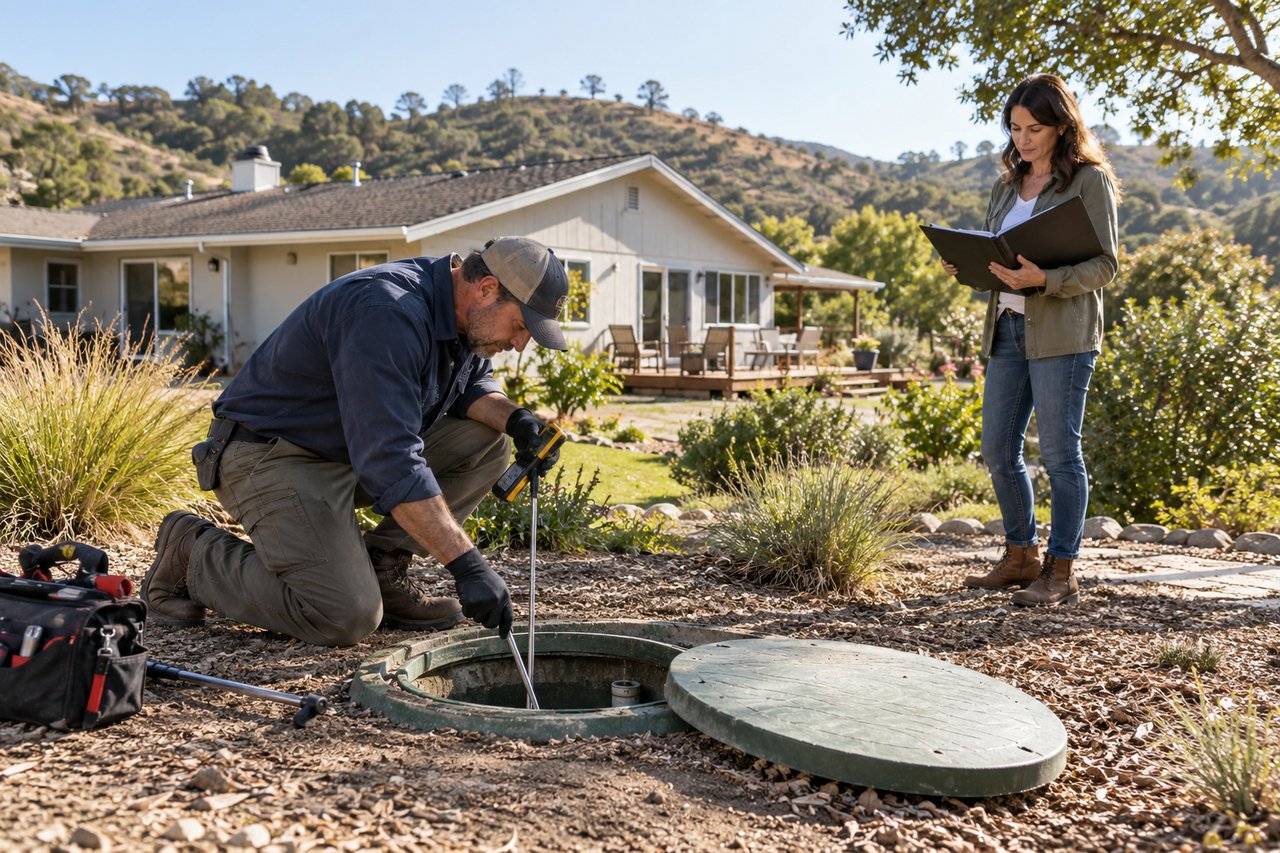
Review inspection findings, service records, capacity, access and local requirements before relying on the system.
Amber Johnson | November 8, 2026
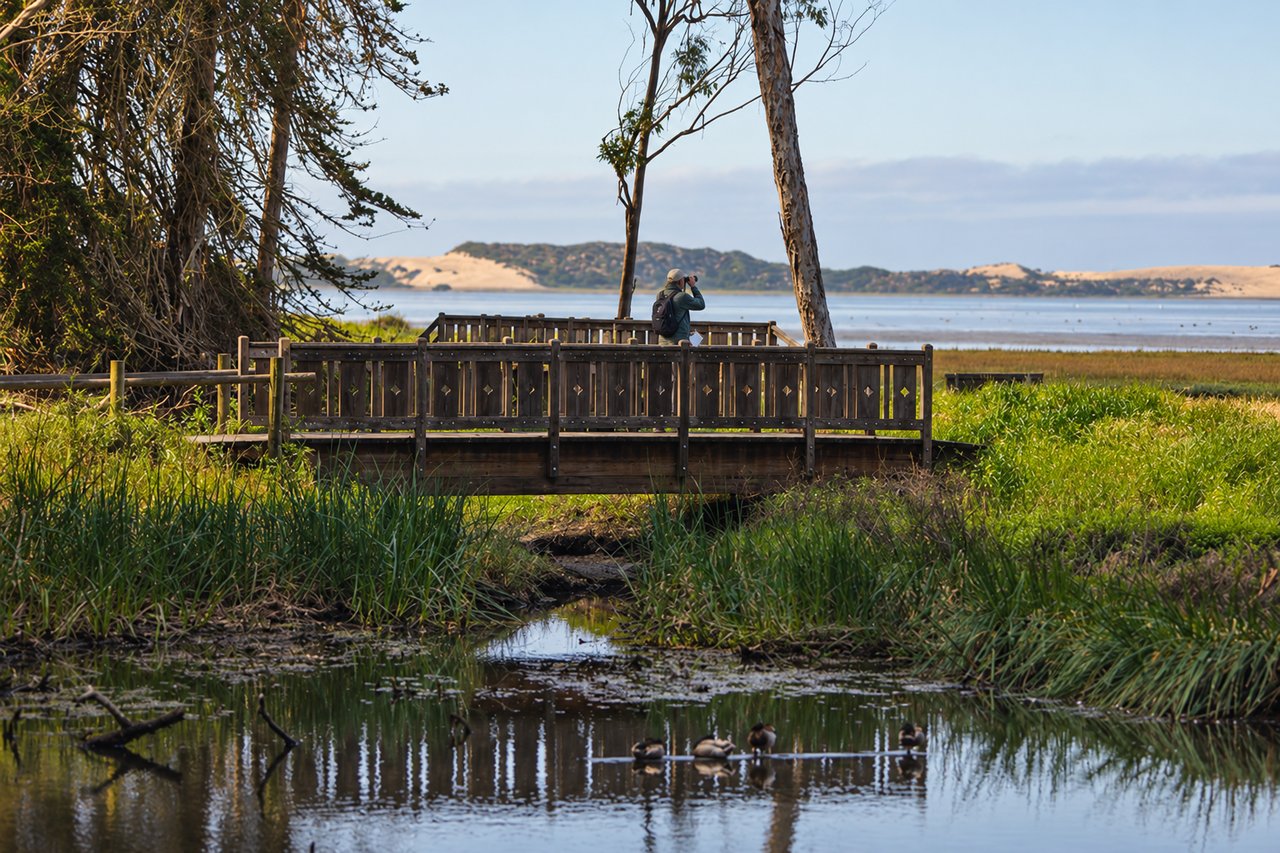
Compare access, timing, seasonal conditions and home-to-trail logistics before building regular birdwatching into life in Los Osos.
Amber Johnson | November 8, 2026
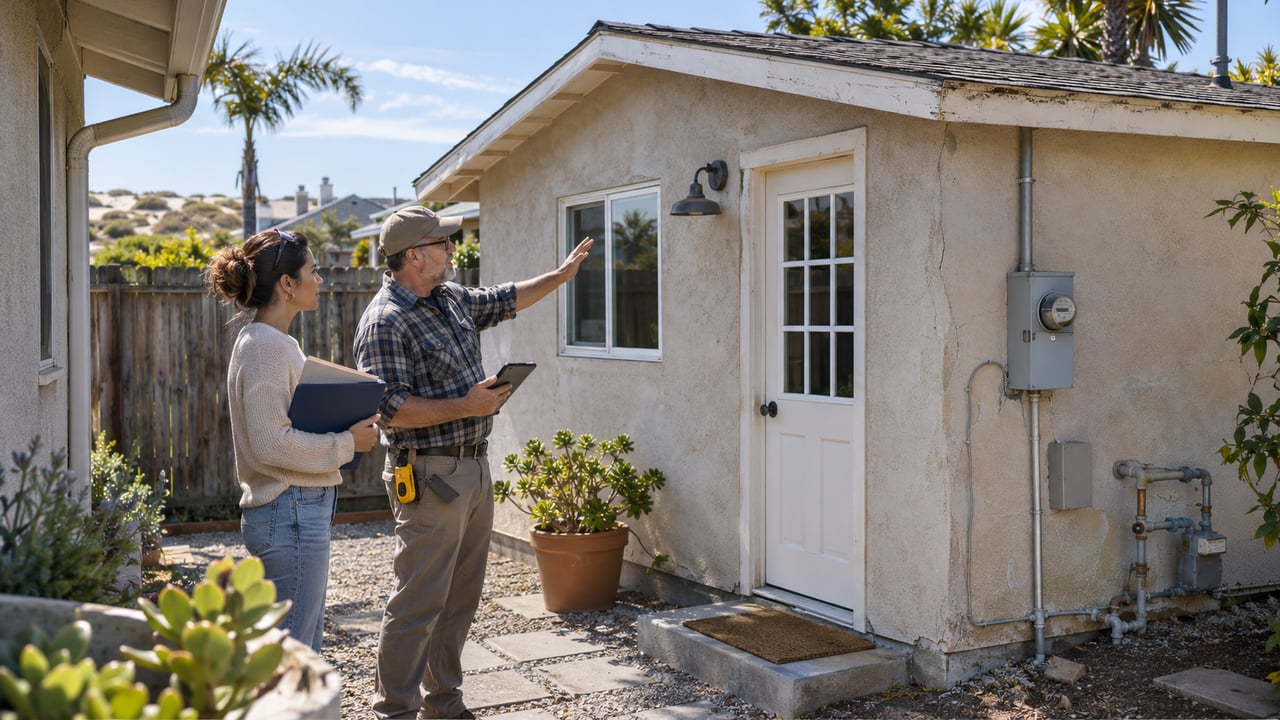
Verify the separate structure's records, condition and permitted use before counting on it.
Amber Johnson | November 7, 2026
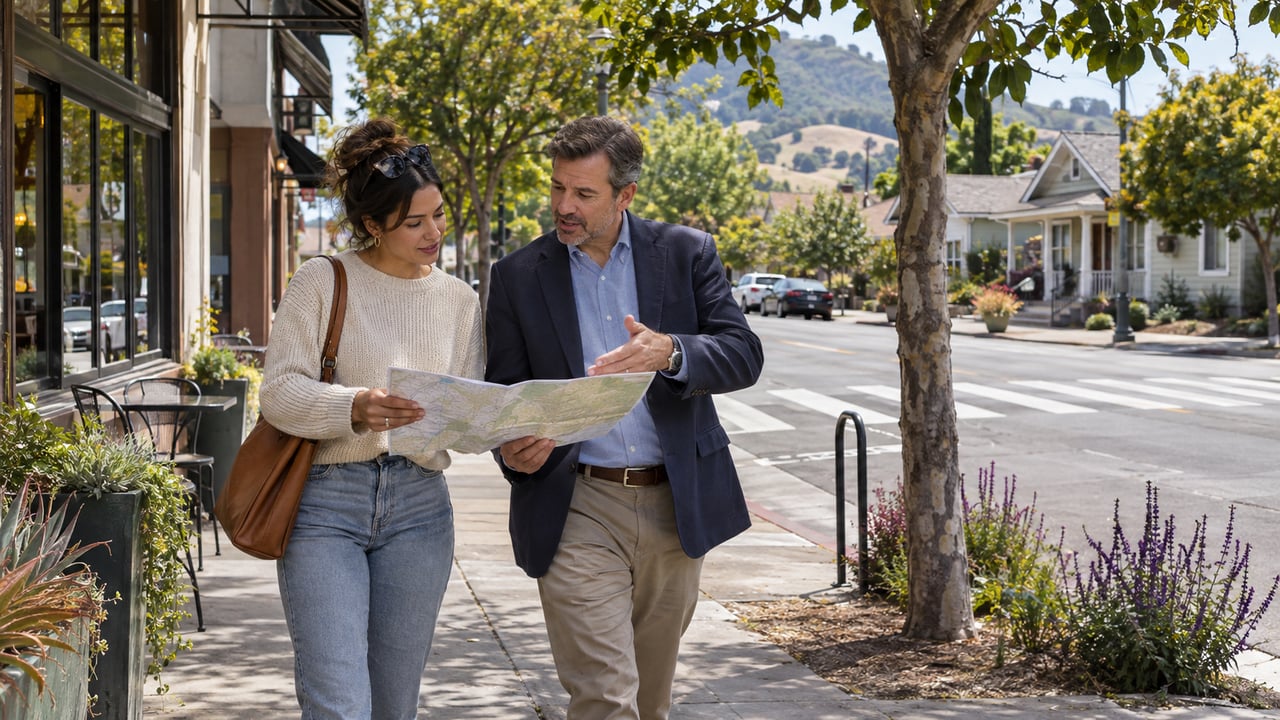
Compare specific homes by their street setting, daily routes and access to the places you use.
Amber Johnson | November 7, 2026
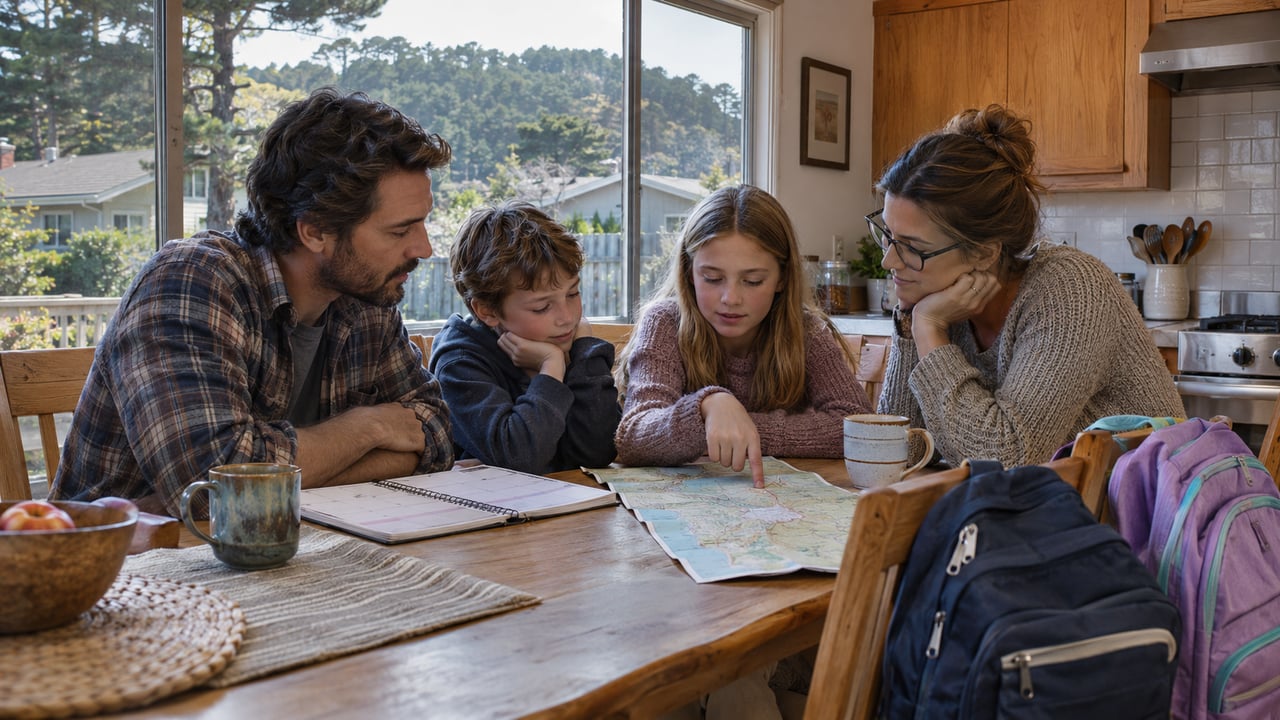
Test school logistics, activities and daily routes from the specific home you are considering.

Amber Johnson | November 7, 2026
Amber Johnson | November 7, 2026
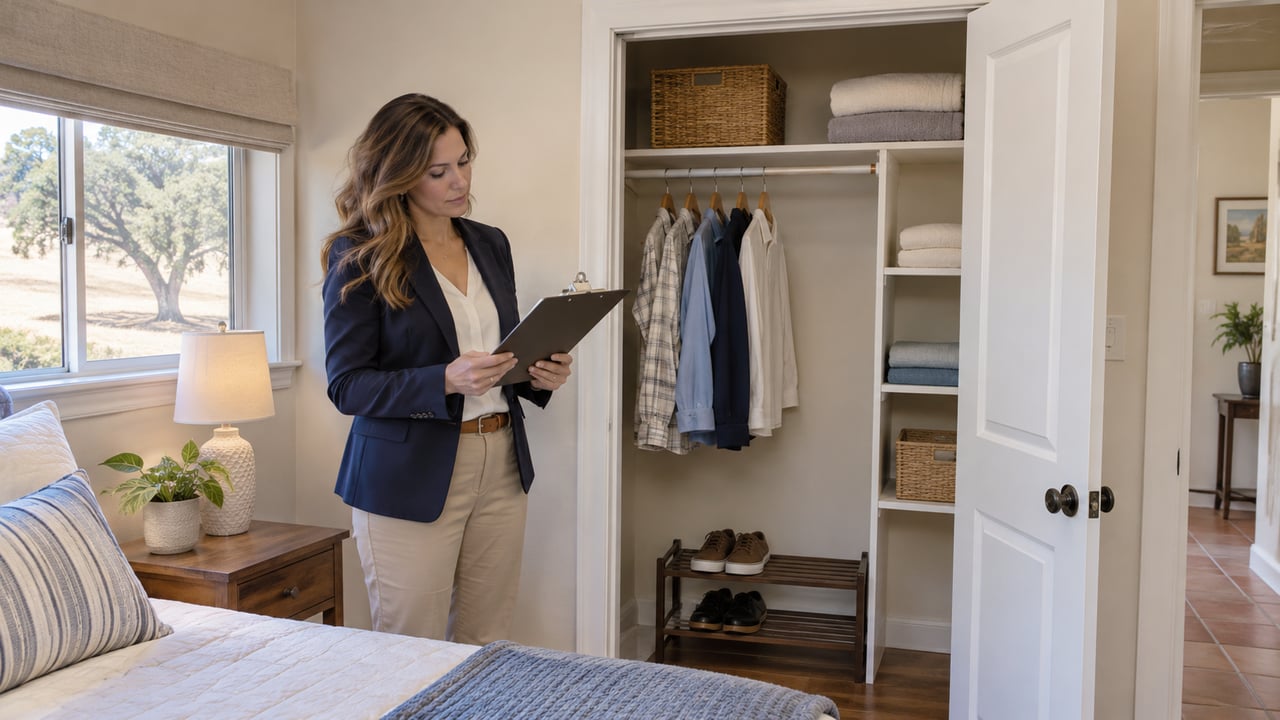
Show usable storage honestly and help buyers see how the home's layout fits daily life.
You’ve got questions and we can’t wait to answer them.
Amber Johnson, Founder
Pillar Real Estate
805.835.3425
DRE# 01925434
1345 Park Street
Paso Robles, CA 93446