What Should Buyers Check Before Buying a San Miguel Home with Solar Panels?
November 5, 2026
November 5, 2026
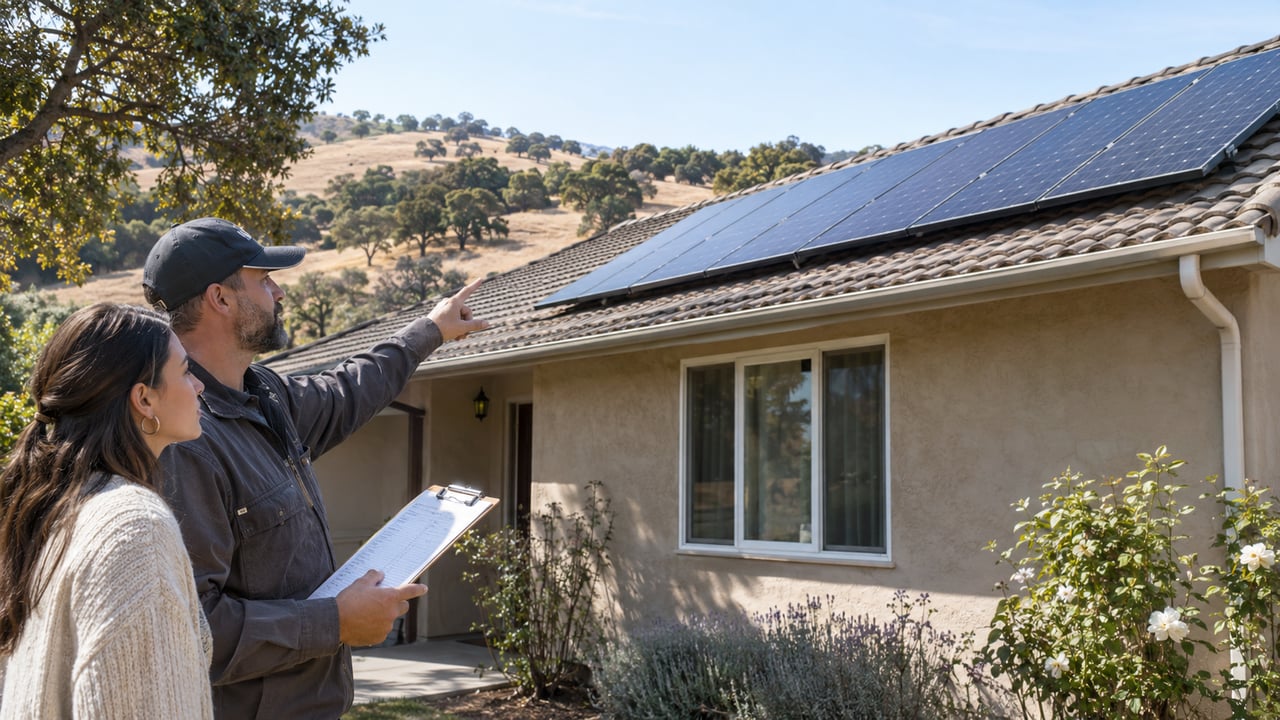
Before buying a San Miguel home with solar panels, check who owns the equipment, what agreements come with it, how the system is performing, and what condition the roof is in. Then confirm the transfer process, ongoing costs, and any work needed before you decide whether the home fits your budget.
Panels on a roof don't tell you those answers. A listing description that says “solar” is a starting point for questions, not a complete explanation of what you're buying.
I'm Amber Johnson with Pillar Real Estate. When I help buyers consider homes in San Miguel and across North County, I want the property details to make sense alongside the purchase price. Solar deserves its own review so you can make a clear decision about the whole home.
Ask for the documents that identify the system owner and the current agreement. Don't rely on “paid for,” “included,” or “the payment is small” without paperwork explaining what those words mean for this property.
An owned system, a financed system, a lease, and a power purchase agreement deserve different questions. With a lease, you're generally paying to use equipment owned by a provider. With a power purchase agreement, you're generally buying the electricity it produces under a contract. The actual agreement controls the details.
Have the seller identify any balance, payment obligation, or transfer requirement. Ask your lender and the escrow and title professionals to review the relevant records. If a contract needs legal interpretation, get that explanation from a qualified attorney before accepting an obligation.
Our article on how solar affects selling a home in Paso Robles provides useful context for the seller's side of the transaction. As a buyer, your job is to establish exactly what will transfer to you.
Request the solar records while you still have time to review them. A tidy file is helpful, but completeness matters more than presentation. Ask what is missing and who can supply it.
Check that the documents describe the equipment actually at the house. If the seller replaced an inverter, added panels, or installed storage later, request those records too. A folder from the original installation may not explain the system you're considering today.
The U.S. Department of Energy's consumer guidance also emphasizes checking the installer, system history, warranties, and ownership arrangements. Use those as separate review items rather than treating a single brochure as evidence for everything.
A solar review doesn't replace a roof review. Ask a qualified roofing professional to evaluate the roof's condition and discuss areas that are difficult to inspect beneath the panels. Ask the solar professional about mounting and the installation details within their scope.
Find out whether there have been leaks, roof repairs, or panel removal and reinstallation. Request invoices and any available documentation of the work. If a repair is proposed, ask who will perform it, what is included, and what written warranty will apply.
If the roof may need work soon, obtain a property-specific estimate that addresses the solar equipment. Don't use a roof-only estimate as your complete budget unless the contractor confirms what it includes. The California Public Utilities Commission's consumer guide specifically encourages asking about panel removal and reinstallation costs for future roof replacement.
You don't need to climb onto the roof during a showing. You need the right professionals, safe access, and enough time for their findings to inform your decision.
Request a solar inspection or evaluation with a written scope. Ask what the professional will inspect, test, and report, and what will remain outside the review. A general home inspection and a specialist's solar evaluation may cover different things.
Ask the specialist to identify the panels, inverter equipment, visible wiring, mounting, and any battery. Have them explain observed concerns in ordinary language. “It turns on” is a narrower answer than a review of condition, operation, and recommended repairs.
Find out who can service this particular equipment locally. If the original installer is unavailable, ask whether another qualified provider supports the system. Make any service availability question specific to the brand and components, rather than assuming all solar companies handle every system.
Request written estimates for identified work. Separate urgent concerns, recommended maintenance, and optional improvements. That distinction helps you decide what needs resolution during the purchase and what could belong in a later homeowner budget.
Ask for available production history and utility bills covering a full seasonal cycle if possible. One unusually low bill doesn't explain a year's costs. Missing records don't prove a defect, but they leave a question you should recognize before relying on a savings claim.
Review the records with the solar professional and utility as appropriate. Ask about unexplained gaps or changes in production. Keep the difference between electricity generated and the amount billed clear; they are different pieces of the household's energy picture.
The Federal Trade Commission advises consumers to consider energy use and utility charges when evaluating solar costs. A home with panels can still have utility expenses. Don't build your purchase budget around a promise of a zero bill.
Also describe how you expect to use the home. Ask how your household's needs might differ from the seller's, including work-from-home hours, heating and cooling habits, or planned equipment. Treat any resulting estimate as an estimate, with its assumptions explained.
Ask the serving utility to explain the account setup and solar arrangement applicable to this address and proposed transfer. Confirm which records it needs and who must submit them. Don't assume a neighboring property or an older online discussion describes this home's current situation.
Request an explanation of the applicable billing structure and any outstanding steps for the existing installation. If someone says a particular rate treatment will continue after the sale, ask the utility to confirm the conditions directly. Keep that confirmation with your other purchase records.
If backup power matters to you, make it a separate question. Ask the qualified solar professional to demonstrate or explain this system's actual backup capability, including any battery, supported circuits, and operating limitations. Don't treat visible rooftop panels as proof that the home can power everything during an outage.
For a San Miguel property with land or additional structures, ask which buildings and equipment the system serves. Our guide to buying a home with land in San Miguel can help you organize the broader property review without letting solar distract from other systems.
Ask the provider for the exact steps, documents, approvals, fees, and timing required for this sale. If you're being asked to assume an agreement, request the complete version for review, including amendments. A seller's summary is useful background, but it isn't a substitute for the agreement.
Have your lender review solar-related obligations early. Ask the escrow and title professionals how any required payoff, release, or transfer will be documented. Keep the responsibilities clear: who is obtaining each item, when it is due, and what evidence will show completion.
Bring the system information to your insurance professional as well. Ask how the equipment and any storage would be addressed by the proposed coverage, and what documentation is needed. Don't assume a quote based on incomplete property information answers the solar questions.
Build a budget that includes confirmed payments, identified repairs, and an appropriate maintenance allowance. Our article about hidden costs of buying a home in San Luis Obispo County helps put those expenses beside the other costs of ownership.
Request the actual warranty documents and ask which coverage, if any, transfers to a new owner. Equipment coverage, installation workmanship, and service obligations are separate questions. Confirm the contact, process, exclusions, and any registration or transfer deadline in writing.
Before closing, arrange the practical handoff. Ask how you will receive monitoring access, operating instructions, service contacts, and copies of final documents through the provider's proper transfer process. You should know where to turn if an alert appears after you move in.
Keep unresolved items on a shared checklist. If a repair or transfer is part of the purchase agreement, ask your real estate professional and the appropriate specialists what documentation is needed to verify it. A verbal promise that someone will handle it later leaves too much unclear.
A San Miguel home with solar may be worth considering, but the decision should rest on the actual equipment, roof, contracts, costs, and your household's needs. You don't have to become a solar technician. You do need answers from the people qualified to provide them.
If a document is missing or an inspection raises a concern, identify what would resolve it before moving past the relevant decision point in your contract. Ask for explanations and estimates early enough to compare your options. Uncertainty is something to investigate, not a savings figure to put into your budget.
I'm Amber Johnson with Pillar Real Estate, helping buyers, sellers, and relocating households throughout San Miguel, Paso Robles, and the surrounding Central Coast. If you're considering a San Miguel home with solar, let's organize the property questions and professional reviews so you can decide with a clearer picture of what comes with the home.
Ready to talk through your next move? Visit Sell With Amber to connect with me.
Amber
Amber Johnson
Founder, Pillar Real Estate
805.835.3425
[email protected]
1345 Park St. Paso Robles, CA 93446
DRE# 01925434
Website: https://pillarrealestate.com/
Amber Johnson | November 5, 2026
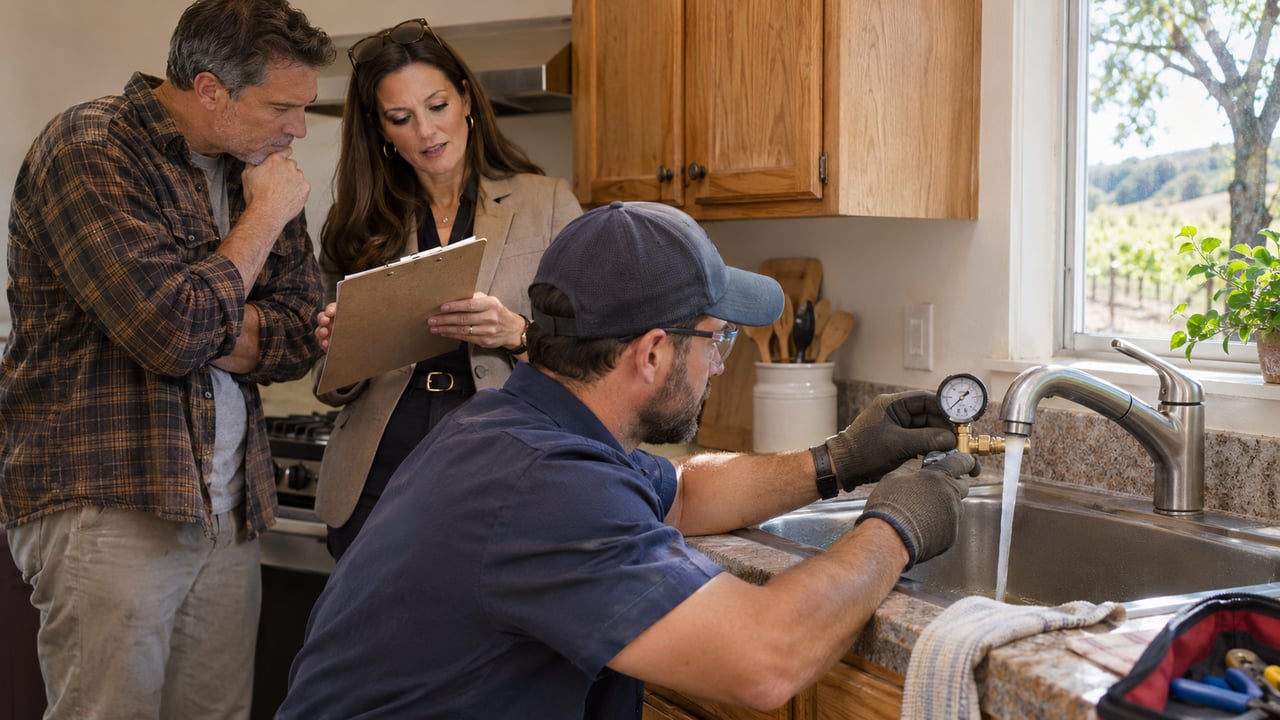
Identify where the pressure issue starts and weigh repairs, disclosure and buyer expectations before listing.
Amber Johnson | November 5, 2026
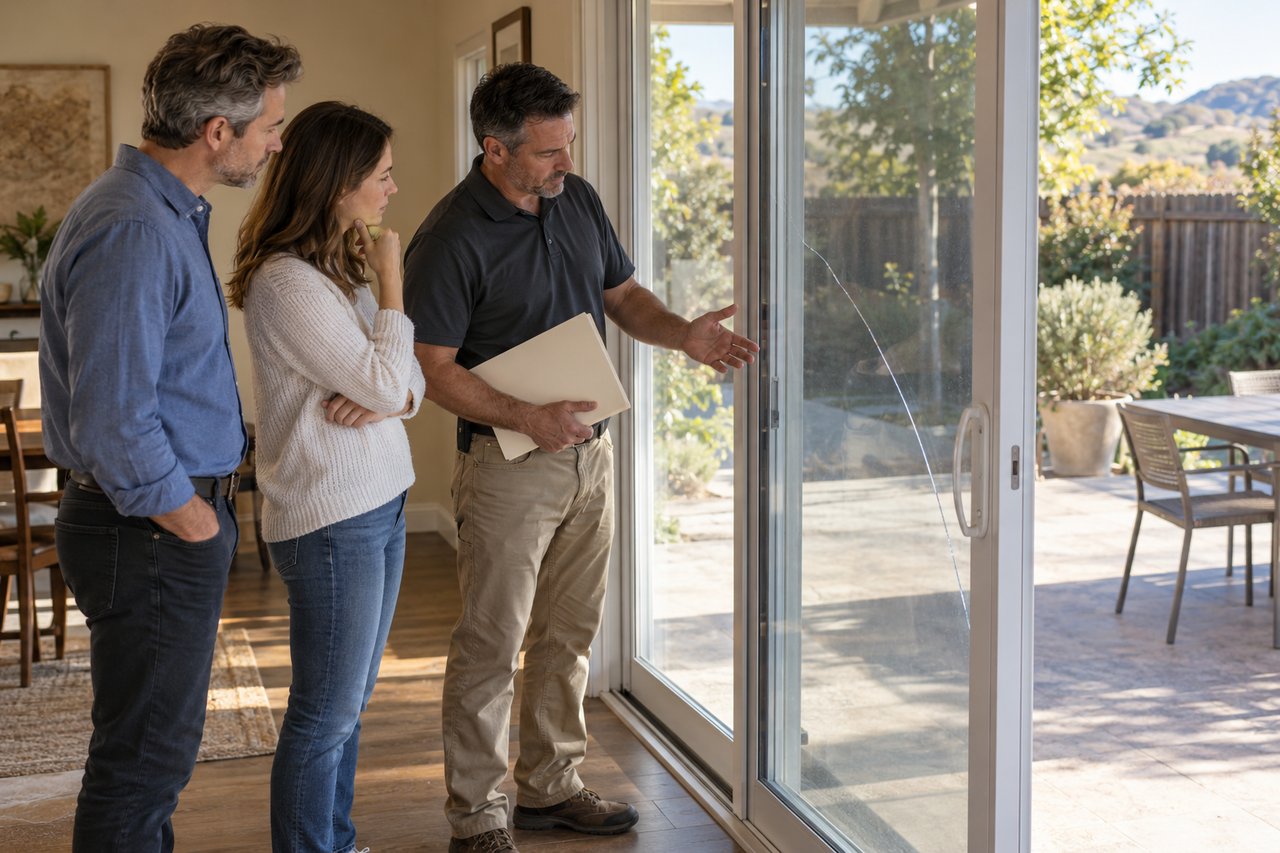
Compare safety, function, repair cost and buyer expectations before deciding whether the door needs repair or replacement.
Amber Johnson | November 5, 2026
Review equipment, ownership documents and roof condition before committing to the home.

Amber Johnson | November 5, 2026
Compare trail access and travel time from a specific home with your weekly schedule.

Amber Johnson | November 4, 2026
Consider the beach access, visitor activity and errands around a specific home.
Amber Johnson | November 4, 2026
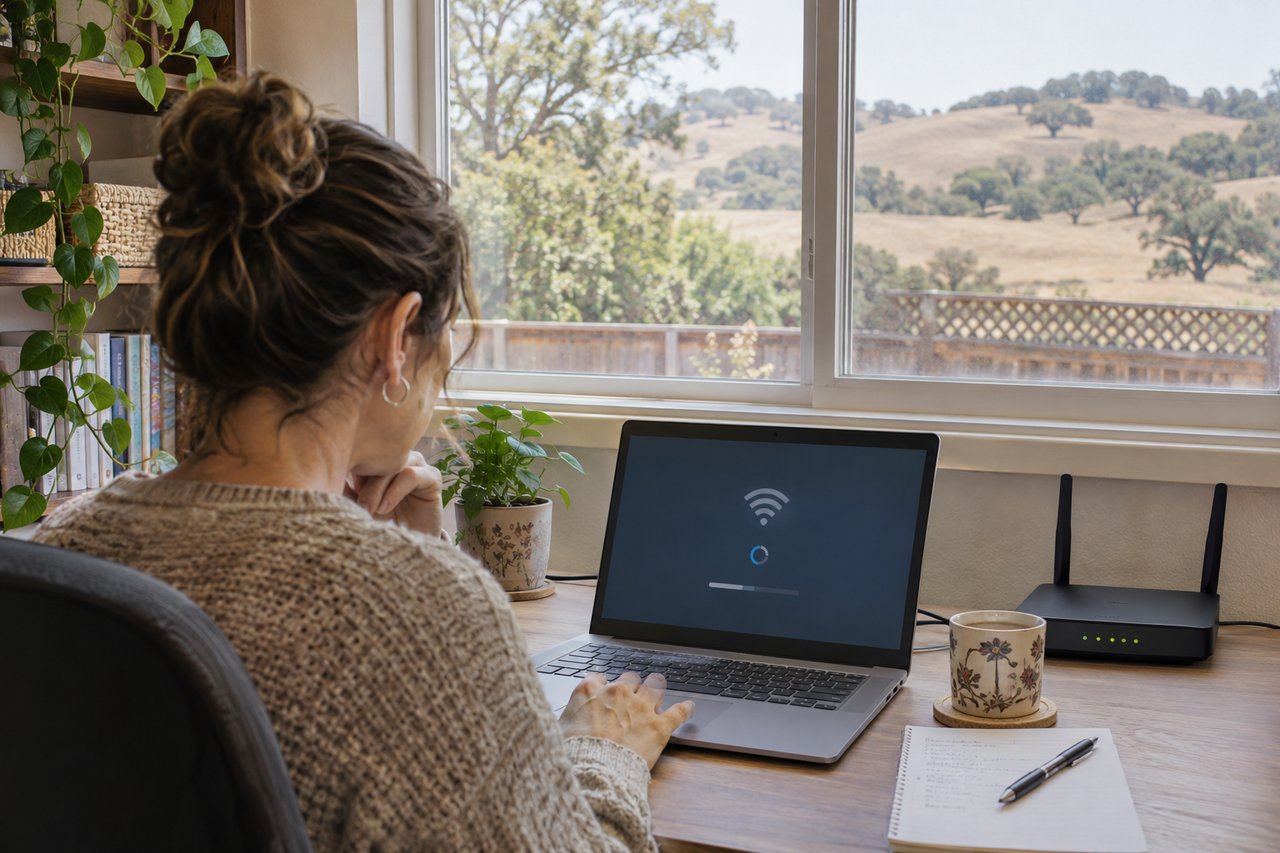
Test service at a specific address against your workday needs before buying.

Amber Johnson | November 4, 2026
Amber Johnson | November 4, 2026
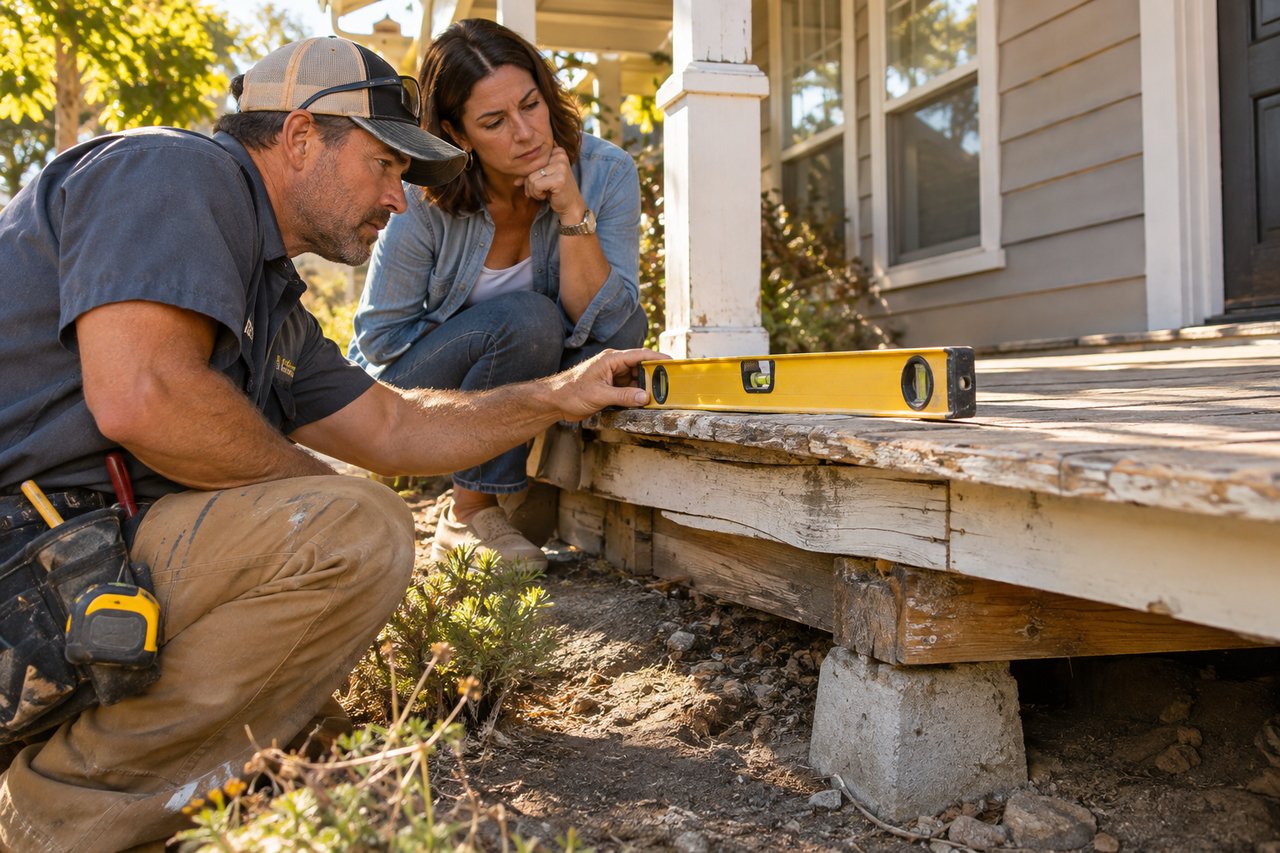
Assess the porch condition, safety and repair scope before choosing a listing plan.
Amber Johnson | November 4, 2026
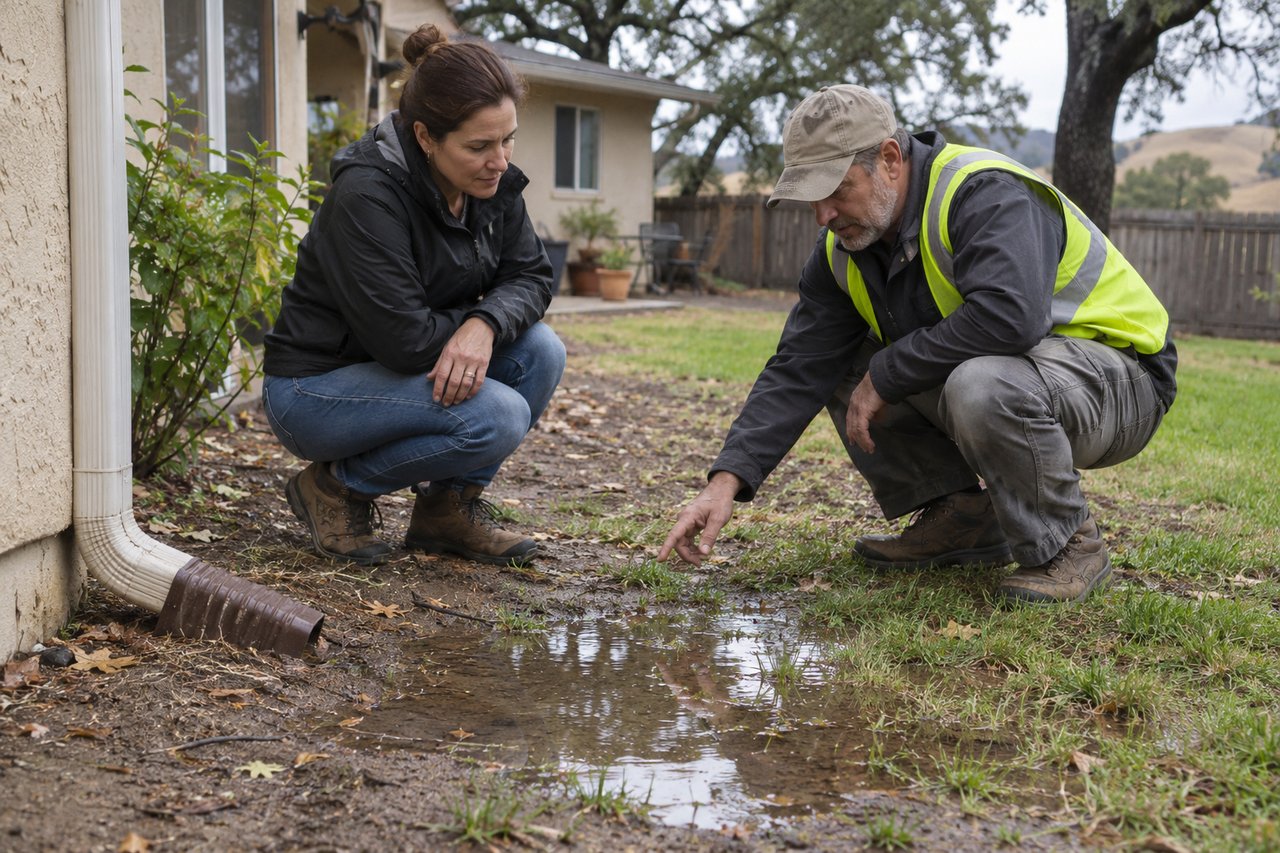
Identify the cause and compare repair options before buyers see the yard.
You’ve got questions and we can’t wait to answer them.

Amber Johnson, Founder
Pillar Real Estate
805.835.3425
DRE# 01925434
1345 Park Street
Paso Robles, CA 93446