Should I Accept the First Offer on My Home in Paso Robles?
April 22, 2026

April 22, 2026
If you’re selling your home, you might be wondering:
“If I get an offer right away… should I take it?”
The short answer:
Sometimes yes, But not always. It depends on the strength of the offer, your goals, and how your home is positioned in the market.
As a real estate agent in Paso Robles, CA helping buyers and sellers across San Luis Obispo County, I’ve seen first offers turn into great outcomes—and I’ve also seen situations where waiting made more sense. The key is understanding what that first offer actually means.
What a First Offer Usually Means
When a home receives an offer quickly, it’s often a sign that:
In many cases:
A strong early offer is a positive signal, not something to be skeptical of.
Not All First Offers Are Equal
The timing of the offer matters less than the quality of the offer.
Things to evaluate:
A strong offer is about more than just the number.
The Risk of Waiting
Some sellers hesitate because they think:
“Maybe a better offer will come.”
What can happen instead:
The first 1–2 weeks are often when your home gets the most attention.
When It Makes Sense to Accept the First Offer
It may make sense to accept when:
In these cases:
Waiting doesn’t always create a better outcome.
When It Might Make Sense to Wait
There are situations where holding off can be strategic:
Even then:
It should be a calculated decision, not just a guess.
Pricing Plays a Big Role
How your home is priced impacts how offers come in.
Understanding your pricing strategy is key to interpreting that first offer.
Real Scenario: Accept vs Wait
I’ve worked with sellers who:
The difference usually wasn’t luck, it was understanding the situation clearly.
Steps: How to Evaluate Your First Offer
Step 1: Review the Full Terms
Not just the price
Step 2: Understand Buyer Strength
Financing, pre-approval, and reliability
Step 3: Look at Market Activity
Are other buyers showing interest?
Step 4: Align With Your Goals
Timing, certainty, and overall outcome
Common Mistakes Sellers Make
So… Should You Accept the First Offer?
The better answer is:
Accept the right offer, not just the first one.
The Real Question to Ask
Instead of:
“Should I take the first offer?”
Ask:
“Is this a strong offer that meets my goals and reflects the market?”
If you’re also trying to understand how pricing impacts the offers you receive,
it helps to see how strategy plays a role from the start
Next Steps
If you want help evaluating offers and understanding what’s actually strong in today’s market:
https://pillarrealestate.com/selling
FAQ
Is it a bad sign to get an offer right away?
No. Early offers often indicate strong interest.
Should I wait for multiple offers?
Only if there are clear signs more are coming.
What makes an offer strong?
Price, terms, and buyer reliability.
Can I negotiate the first offer?
Yes, depending on the situation.
What’s the biggest mistake sellers make?
Waiting without a clear strategy.
Amber Johnson, Founder
Pillar Real Estate
805.835.3425
[email protected]
1345 Park St. Paso Robles, CA 93446
DRE# 01925434

Amber Johnson | October 17, 2026

Amber Johnson | October 16, 2026
Amber Johnson | October 15, 2026
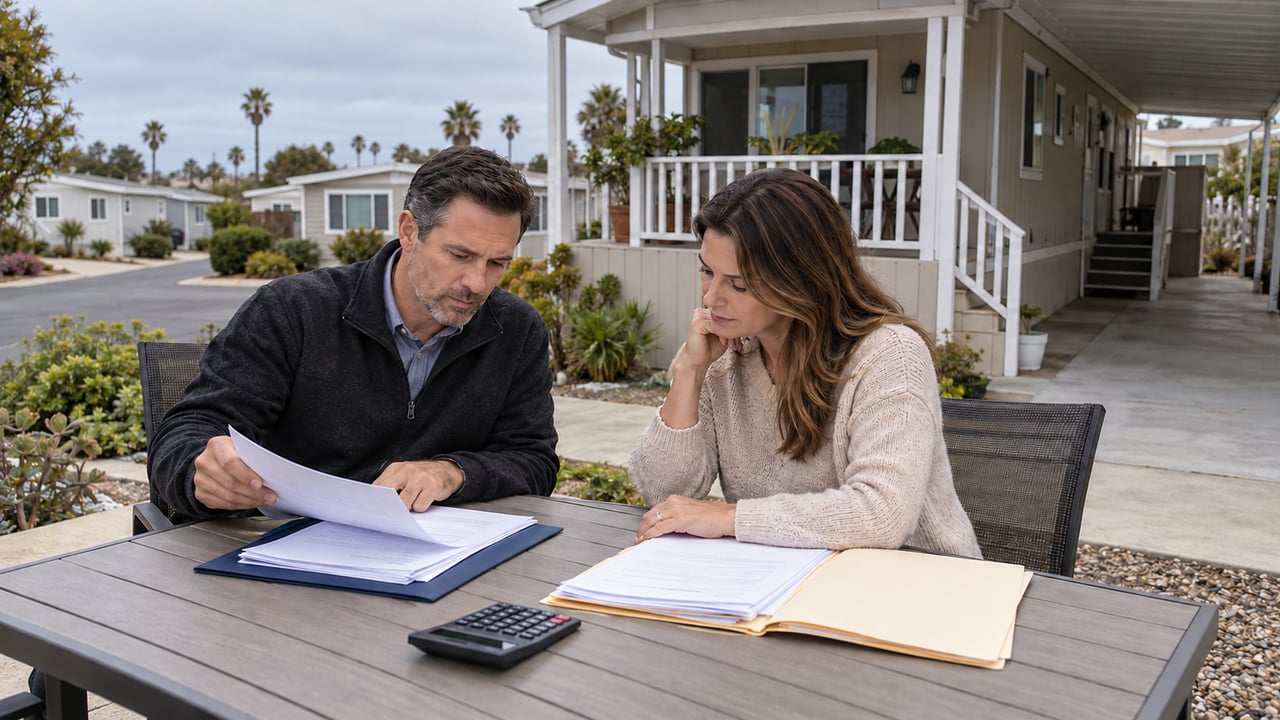
Separate the home purchase from the land arrangement, then review park approval, space costs, financing, condition, rules, and resale considerations.

Amber Johnson | October 15, 2026
Look beyond a weekend visit to consider walking routes, nearby businesses, street activity, parking, and everyday trips from a specific address.

Amber Johnson | October 15, 2026
Compare an in-town routine with a more rural setting by weighing errands, property upkeep, road access, utilities, and time spent driving.

Amber Johnson | October 15, 2026

Amber Johnson | October 15, 2026
Test overlapping work schedules, shopping trips, appointments, transportation alternatives, and backup plans before choosing a home.
Amber Johnson | October 15, 2026
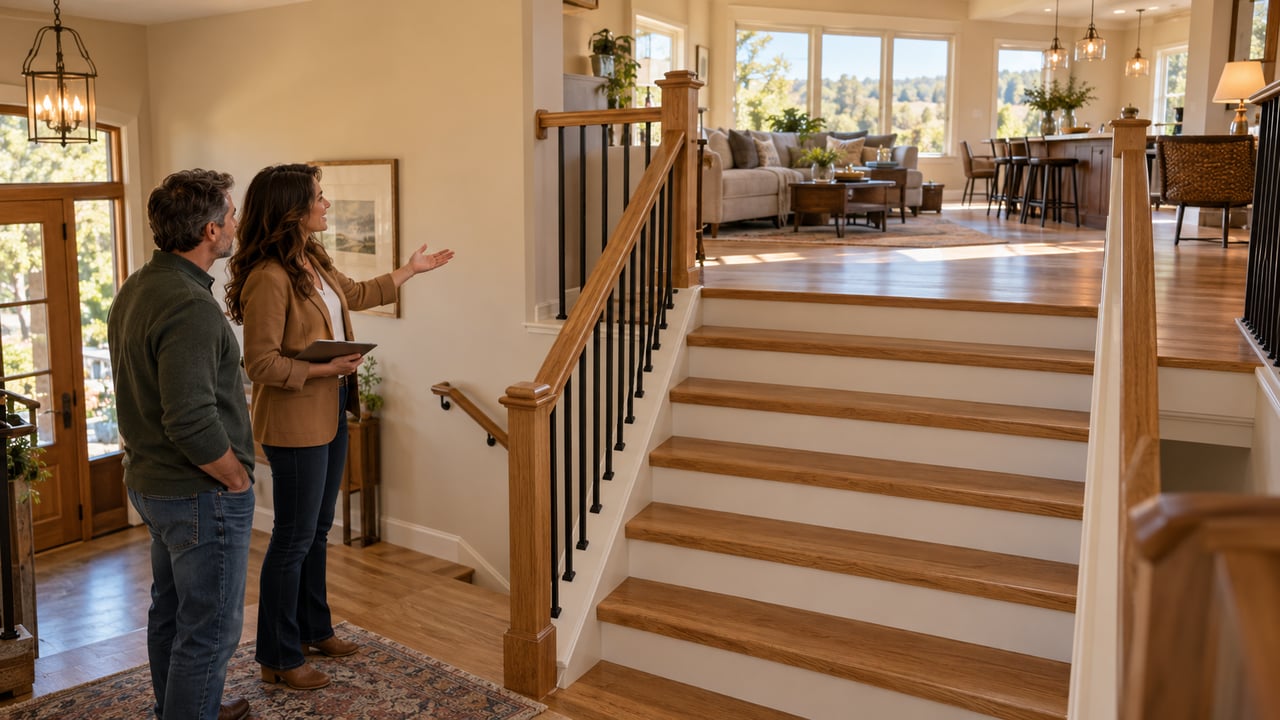
Help buyers understand the layout through accurate photos, clear descriptions, thoughtful showing access, and a property-specific selling plan.

Amber Johnson | October 15, 2026
Use price per square foot as context, then account for property type, location, views, condition, lot, and the limits of a small data set.
You’ve got questions and we can’t wait to answer them.

Amber Johnson, Founder
Pillar Real Estate
805.835.3425
DRE# 01925434
1345 Park Street
Paso Robles, CA 93446

