Selling the Family Home After 20 or 30 Years: Where Do You Start?
October 30, 2026
October 30, 2026
Selling the Family Home After 20 or 30 Years: Where Do You Start?
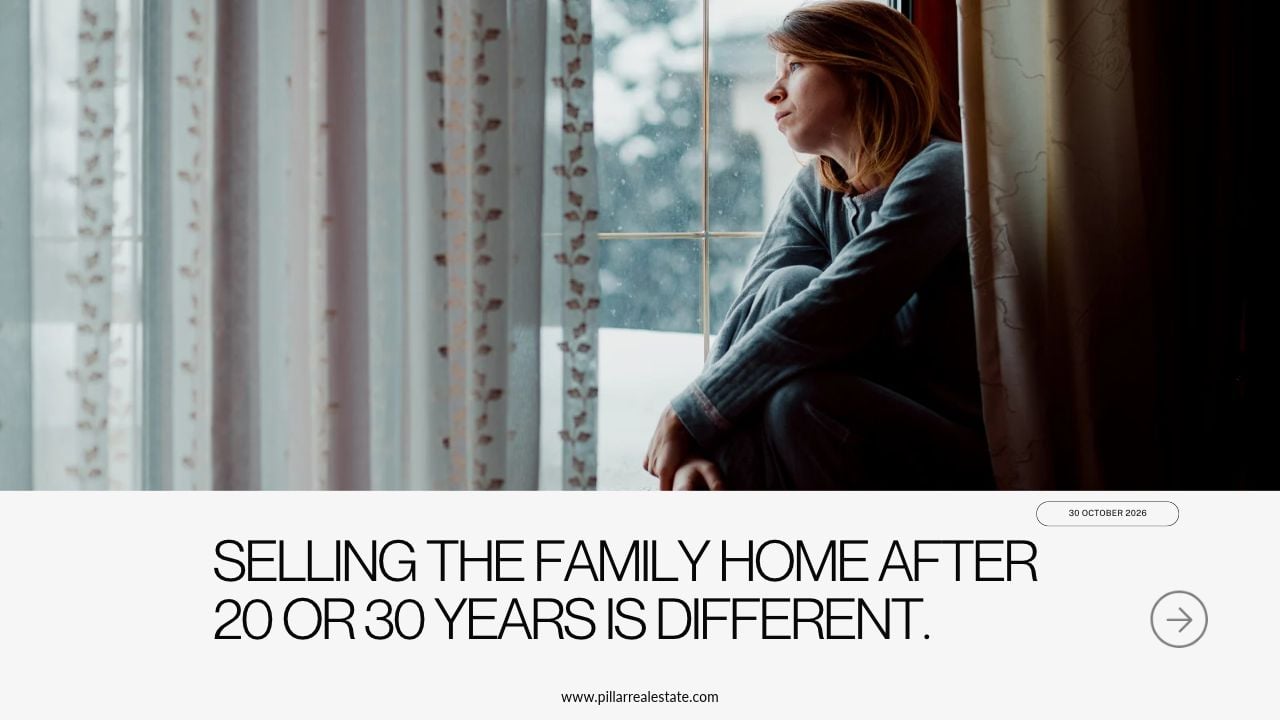
Selling a home you have lived in for 20 or 30 years is different.
You are not simply looking at four walls and a roof.
You are looking at the place where a big part of your life happened.
Maybe you raised your family there.
Maybe the kids' rooms still look surprisingly familiar.
Maybe the garage contains boxes that have followed you through several stages of life.
Maybe there are marks on the wall, furniture that has been in the same place for decades, and memories attached to rooms that a future buyer will simply see as bedrooms, kitchens, and living spaces.
Then, at some point, you start thinking about selling.
And suddenly there are decisions everywhere.
Where Do You Even Start?
One of the biggest misconceptions I see among longtime homeowners is the belief that they need to get everything figured out before speaking with a real estate agent.
They start making lists.
What stays?
What goes?
What needs to be repaired?
Should we repaint?
Should we replace flooring?
Does the kitchen need updating?
What should we do with all of the furniture?
The list can become overwhelming quickly.
My preference is much simpler.
Call earlier.
I would rather see the home in its current condition and help you decide what actually makes sense.
You Do Not Need to Prepare Everything Before Calling
You do not need to have the garage cleaned out.
You do not need to repaint every room.
You do not need to decide what furniture stays or goes.
You do not need to remodel the kitchen.
And you certainly do not need to have every detail figured out.
The first step can simply be walking through the property together.
From there, we can talk about the home, the current market, likely buyers, your timeline, and what you actually want from the sale.
Then we build the plan.
Some Homes Need Preparation. Others Need Less Than You Think.
There is no universal list of things every homeowner needs to do before selling.
Sometimes the right plan includes:
Other times, doing less is the better decision.
A project may be expensive without changing how buyers value the home enough to justify it.
Something that feels dated to the homeowner may not be a major concern to the likely buyer.
Or the property's biggest strengths may have little to do with its finishes.
That is why preparation should be based on the actual home.
Not a generic checklist.
Start With the Property and the Market
Before recommending significant work, I want to understand how the property fits into the current market.
That means looking at things such as:
From there, we can decide where preparation may help and where it may not.
A longtime owner can easily look around the house and see dozens of projects.
A buyer may only care about a handful of them.
The goal is to identify the difference.
There Is Also the Emotional Side of Selling
This is the part that does not show up on a comparable sales report.
A longtime family home often contains years of belongings and memories.
Cleaning out a house after decades is not the same as packing an apartment after two years.
There may be things you have not looked at in a long time.
Family photographs.
Furniture.
Holiday decorations.
Kids' belongings.
Items passed down from previous generations.
Things nobody wants to throw away but nobody knows quite what to do with either.
You do not need to make all of those decisions in one weekend.
Break the Process Into Smaller Decisions
One of the most helpful things we can do is separate what needs to happen before listing from what can happen later.
Maybe the first step is simply identifying what you want to keep.
Then we determine whether certain rooms need to be cleared.
Then we talk about repairs.
Then presentation.
Then photography.
Then the listing.
There is no reason to treat every decision like it has the same deadline.
A clear sequence makes a large transition much more manageable.
Your Goals Should Determine the Strategy
Two homeowners can own nearly identical homes and still need completely different selling plans.
One person may want to maximize the final sale price and have several months to prepare.
Another may want the simplest possible process.
Someone else may be coordinating a move closer to family.
Another seller may be buying a replacement property at the same time.
There is no single correct strategy.
The house matters.
But your goals matter just as much.
That is why one of my first questions is not simply, “What do you think the house is worth?”
It is:
What are you hoping this move allows you to do next?
The answer affects nearly everything that follows.
What If You Are Still Months Away From Selling?
That is actually a good time to start the conversation.
Talking with an agent does not mean you have committed to listing the home next week.
Starting earlier gives you more options.
We can identify projects worth considering.
We can identify projects I would skip.
You can work through belongings at a pace that feels reasonable.
And you can start understanding what the home's current value may mean for your next move.
Planning early often removes pressure later.
What Buyers See Versus What You See
One of the interesting things about selling a longtime home is how differently the owner and buyer experience it.
You may see the kitchen where your family spent every Thanksgiving.
A buyer sees the cabinetry, layout, natural light, and storage.
You may see the backyard where your kids grew up.
A buyer sees the lot, landscaping, privacy, and outdoor space.
Neither perspective is wrong.
My job is to help bridge the two.
We respect what the property has meant to you while also preparing and positioning it for the person who may call it home next.
You Do Not Have to Make the House Perfect
This deserves repeating.
The goal is not to erase every sign that someone has lived in the home for decades.
The goal is to prepare the property in a way that allows buyers to understand its value and imagine themselves living there.
Sometimes that requires preparation.
Sometimes it requires surprisingly little.
We decide after looking at the house, not before.
Start With One Clear Next Step
If selling the family home has been somewhere in the back of your mind, you do not need to wake up tomorrow and start emptying closets.
You do not need a contractor lined up.
You do not need to know exactly when you are moving.
And you do not need every answer.
Start with a conversation.
I can look at the property with you, talk through the current market, help identify what buyers are likely to care about, and build a preparation plan around your home and your goals.
Then we take it one decision at a time.
Because after 20 or 30 years in the same home, the process deserves more thought than simply putting a sign in the yard.
Amber Johnson, Founder
Pillar Real Estate
805.835.3425
[email protected]
1345 Park St. Paso Robles, CA 93446
DRE# 01925434

Amber Johnson | November 21, 2026

Amber Johnson | November 21, 2026
Test the route, travel schedule and home location against your actual week.

Amber Johnson | November 21, 2026
Use both measures to judge current competition and buyer activity without overreading one week.
Amber Johnson | November 21, 2026
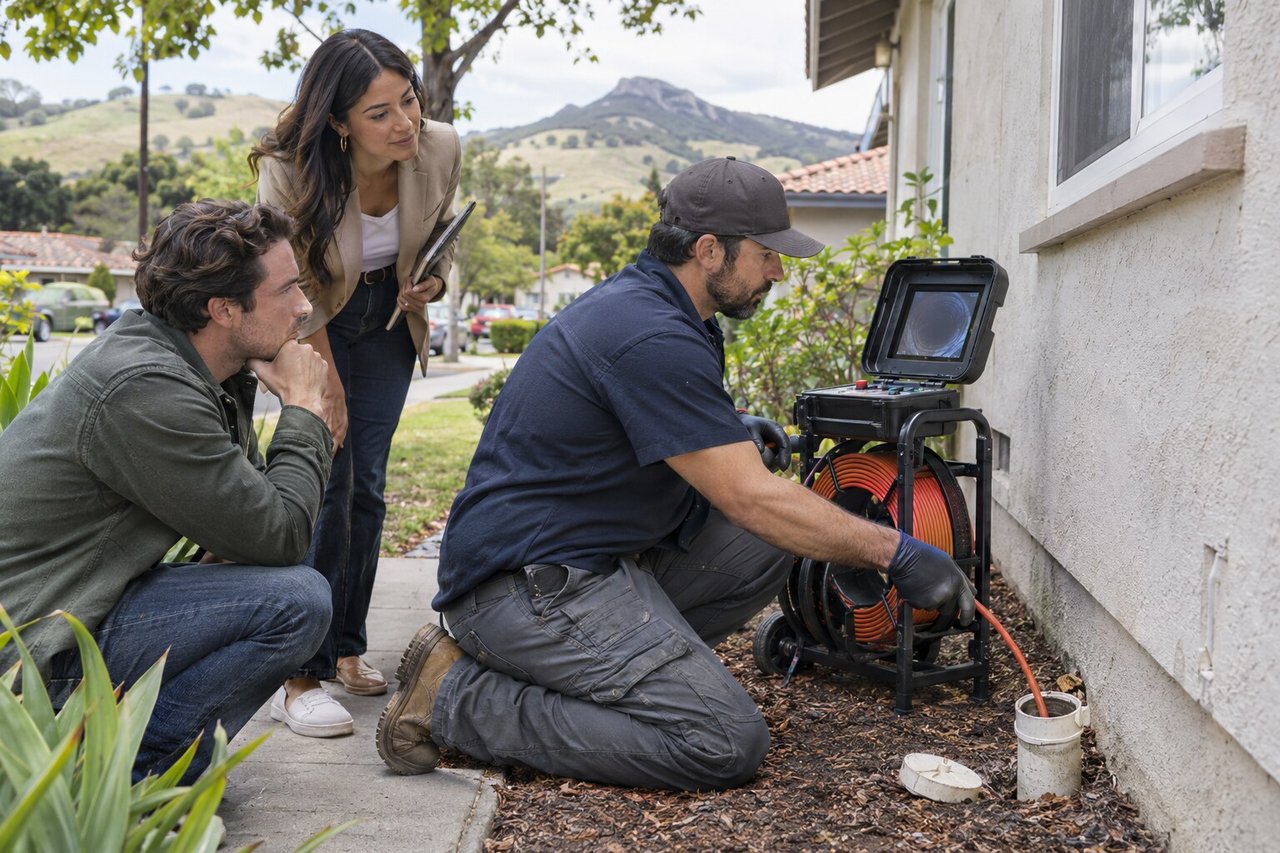
Understand inspection options, service history and the scope of any needed work.
Amber Johnson | November 20, 2026
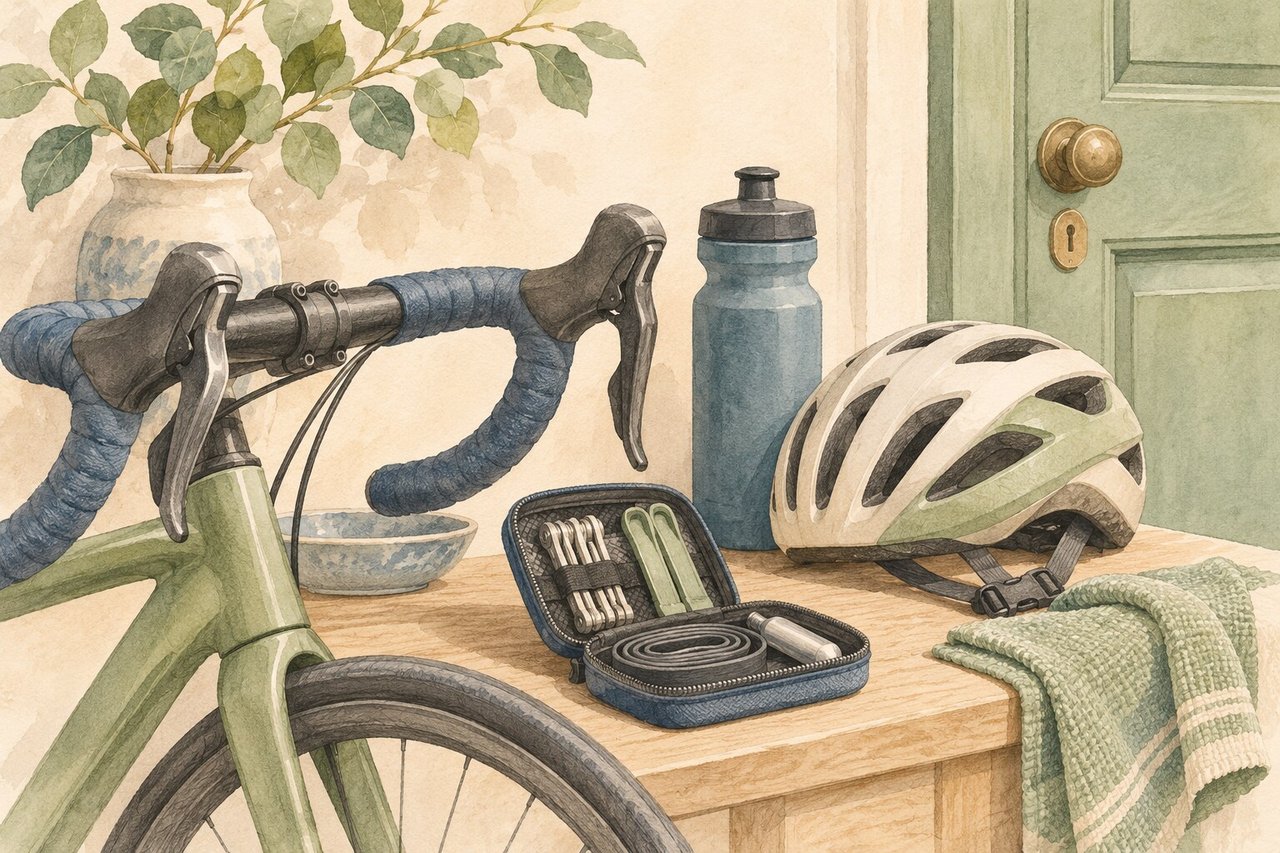
Consider bike storage, route access and how rides fit into your ordinary week.
Amber Johnson | November 20, 2026
Compare commute convenience with traffic exposure at the specific homes you tour.

Amber Johnson | November 20, 2026

Amber Johnson | November 20, 2026
Show how the porch connects to daily living while presenting its condition honestly.

Amber Johnson | November 19, 2026
Check space, access, storage rules and travel habits at each home before deciding.
You’ve got questions and we can’t wait to answer them.
Amber Johnson, Founder
Pillar Real Estate
805.835.3425
DRE# 01925434
1345 Park Street
Paso Robles, CA 93446