New California ADU Laws for 2027: What SLO County Homeowners Should Know
November 18, 2026

November 18, 2026
New California ADU Laws for 2027: What SLO County Homeowners Should Know
California is making another round of changes to accessory dwelling unit laws, and two of them could be especially relevant to homeowners in San Luis Obispo County.
AB 956 and SB 1117 were signed September 29, 2026 and take effect January 1, 2027.
One changes how many detached ADUs can qualify for a streamlined approval pathway on certain single-family lots.
The other changes how certain impact fees are calculated.
If you have ever considered adding an ADU for family, rental use, guest space, or additional housing flexibility, these changes are worth knowing about.
But there is an important local catch:
State law is only part of the picture.
Your city, whether you are in unincorporated San Luis Obispo County, whether your property is in the Coastal Zone, and site-specific issues like water, sewer, septic, setbacks, access, and fire requirements can still affect what is possible.
So let’s break down what is changing and what SLO County homeowners should check before ordering plans.
First: What Is an ADU?
An accessory dwelling unit, commonly called an ADU, is an independent residential unit located on the same property as a primary residence.
You may also hear them called:
An ADU typically includes independent living, sleeping, cooking, and bathroom facilities.
Depending on the property and local rules, an ADU may be attached to the primary residence, detached, or created through the conversion of existing space.
What Changes on January 1, 2027?
Two newly enacted California laws are especially relevant.
AB 956
AB 956 changes the state-required ministerial approval pathway for detached ADUs on lots with an existing or proposed single-family home.
Under the new law, local agencies must provide a ministerial pathway for up to two detached, newly constructed ADUs on qualifying single-family lots.
Previously, the state-required pathway generally covered one detached new-construction ADU.
A local agency may limit each of the two units to 800 square feet of interior livable space and objective development standards still apply.
In plain English:
Some homeowners may have a clearer path to creating two separate detached ADUs rather than one.
That does not mean every lot can automatically accommodate two units.
The property still has to meet applicable standards.
What Does “Ministerial Approval” Mean?
Ministerial review generally means the local agency evaluates the proposal against objective rules rather than requiring a discretionary public hearing to decide whether the project should be approved.
That can make the permitting path more predictable for qualifying projects.
But streamlined does not mean requirement-free.
Issues such as setbacks, height, utilities, water, wastewater, fire access, building codes, and site conditions can still matter.
What About the 800-Square-Foot Limit?
AB 956 allows local agencies to limit each of these state-protected detached ADUs to 800 square feet.
That is why I would be cautious about headlines suggesting homeowners can simply build “two additional houses.”
The better way to think about the change is:
State law is expanding the number of detached ADUs that may qualify for streamlined approval.
The exact design still depends on the property and applicable rules.
One More AB 956 Detail: JADUs
There is another point homeowners should know.
When two detached new-construction ADUs are built under this pathway, state law does not require the local agency to also approve a junior ADU on the same lot.
A JADU, or junior accessory dwelling unit, is a different type of smaller residential unit typically created within an existing or proposed single-family residence.
So if you are considering multiple units on one property, the overall configuration should be evaluated before deciding which route makes the most sense.
SB 1117 Changes Certain ADU Impact Fees
The second major change is SB 1117.
California law already exempts ADUs with 750 square feet or less of interior livable space from certain impact fees.
Beginning January 1, 2027, SB 1117 changes the calculation for an ADU larger than 750 square feet when the property has up to two ADUs.
Instead of calculating applicable impact fees based on the full size of the larger ADU, qualifying impact fees are calculated only on the portion exceeding 750 square feet, while remaining proportional to the primary residence.
An 800-Square-Foot Example
This is probably the easiest way to understand the change.
Suppose you build an:
800-square-foot ADU
The first:
750 square feet
remain exempt from the applicable impact fee calculation.
That leaves:
50 square feet
subject to the proportional impact-fee calculation.
Previously, crossing the 750-square-foot threshold could result in a much larger fee calculation because the full size of the unit could be considered.
That is the change SB 1117 addresses.
Does This Mean an ADU Over 750 Square Feet Has No Other Fees?
No.
This is important.
SB 1117 is specifically about certain impact fees.
It does not mean an ADU suddenly becomes free of:
Homeowners should avoid treating the 750-square-foot rule as a blanket fee exemption.
What Happens if a Property Has More Than Two ADUs?
SB 1117 treats properties with more than two ADUs differently.
For the first two ADUs, the new calculation can apply only to interior livable area over 750 square feet.
For properties with more than two ADUs, impact-fee calculations can continue to use the proportional calculation based on the full square footage of the additional ADU.
That detail is particularly relevant here because San Luis Obispo County already has some local rules that may allow more than two ADUs.
What Is Already Allowed in Unincorporated SLO County?
San Luis Obispo County adopted updated ADU regulations in 2025 for its inland unincorporated area.
The County currently states that the number of ADUs allowed on qualifying single-family parcels increased from two to three, subject to public health, safety, site design, and other requirements.
That is a good example of why statewide headlines do not tell the full local story.
If your property is in:
County Planning & Building may be the local agency you need to work with.
But exact location and zoning still matter.
What About the Coastal Zone?
SLO County's Coastal Zone has additional considerations.
The County states that all ADUs in the Coastal Zone require additional noticing, and properties within the Coastal Appealable Zone may have additional procedures.
Water and wastewater availability can also create very real limitations in some coastal communities.
This is why someone with a property in Cambria or Los Osos should not assume the same answer applies as it would to an inland parcel.
What About the City of San Luis Obispo?
If your property is inside the City of San Luis Obispo, you work with the City rather than San Luis Obispo County Planning & Building.
The City maintains its own ADU and JADU guide, development standards, supplemental checklist, and permitting process.
State law still matters.
But the local application process and objective standards come through the City.
The same distinction applies elsewhere in incorporated cities such as Paso Robles and Atascadero.
Before researching an ADU, first determine:
Which jurisdiction is the property actually in?
That one question can save a lot of confusion.
Before You Pay for Plans, Check the Property
I would not start with architectural drawings.
I would start with the lot.
Questions to check include:
Which jurisdiction governs the property?
City or unincorporated County?
What is the zoning?
Does the parcel qualify for the type of ADU you are considering?
How large is the lot?
Physical fit still matters.
What are the setbacks?
Where can a detached unit actually sit?
What about water?
Is the property on a public water system or a private well?
Sewer or septic?
A septic system may need to support the additional dwelling capacity.
Fire access?
Rural properties may have additional emergency access considerations.
Is the property coastal?
Coastal requirements may differ substantially.
Are there easements?
Utility and access easements can affect where something can be built.
What other improvements are already on the lot?
Existing units, guesthouses, shops, garages, and other structures may affect the analysis.
Could an ADU Make a Property More Useful?
For the right property, an ADU can create a lot of flexibility.
Possibilities may include:
But whether an ADU makes sense is different from whether an ADU is legally possible.
Both questions deserve attention.
What About Resale Value?
Homeowners often ask whether adding an ADU will increase the value of their property.
Potentially.
But there is no universal formula.
Value can depend on:
A permitted, functional ADU may be attractive to many buyers.
But I would not recommend building one solely because someone promises a specific return.
The property and the project need to make sense together.
The Biggest Takeaway for SLO County Homeowners
The headline is:
California is making it easier for some single-family properties to create two detached ADUs, and certain impact-fee calculations are changing.
But the practical takeaway is:
Check the property before you build the plan.
State law.
City versus County.
Coastal status.
Setbacks.
Water.
Wastewater.
Utilities.
Fire access.
Existing improvements.
All of those can change the answer.
Thinking About an ADU in San Luis Obispo County?
If you are considering an ADU in Paso Robles, Atascadero, Templeton, San Miguel, San Luis Obispo, or elsewhere in SLO County, you do not need to figure out every regulation before you start asking questions.
Send me the property address.
I can help you identify which local jurisdiction applies, look at the real estate side of the property, and point you toward the appropriate Planning & Building resources to verify the development requirements.
The goal is not to start with drawings.
Start with the property.
Then determine what is actually possible.
Amber Johnson
Founder | Pillar Real Estate
Paso Robles, California
805.835.3425
[email protected]
DRE# 01925434

Amber Johnson | November 21, 2026

Amber Johnson | November 21, 2026
Test the route, travel schedule and home location against your actual week.

Amber Johnson | November 21, 2026
Use both measures to judge current competition and buyer activity without overreading one week.
Amber Johnson | November 21, 2026
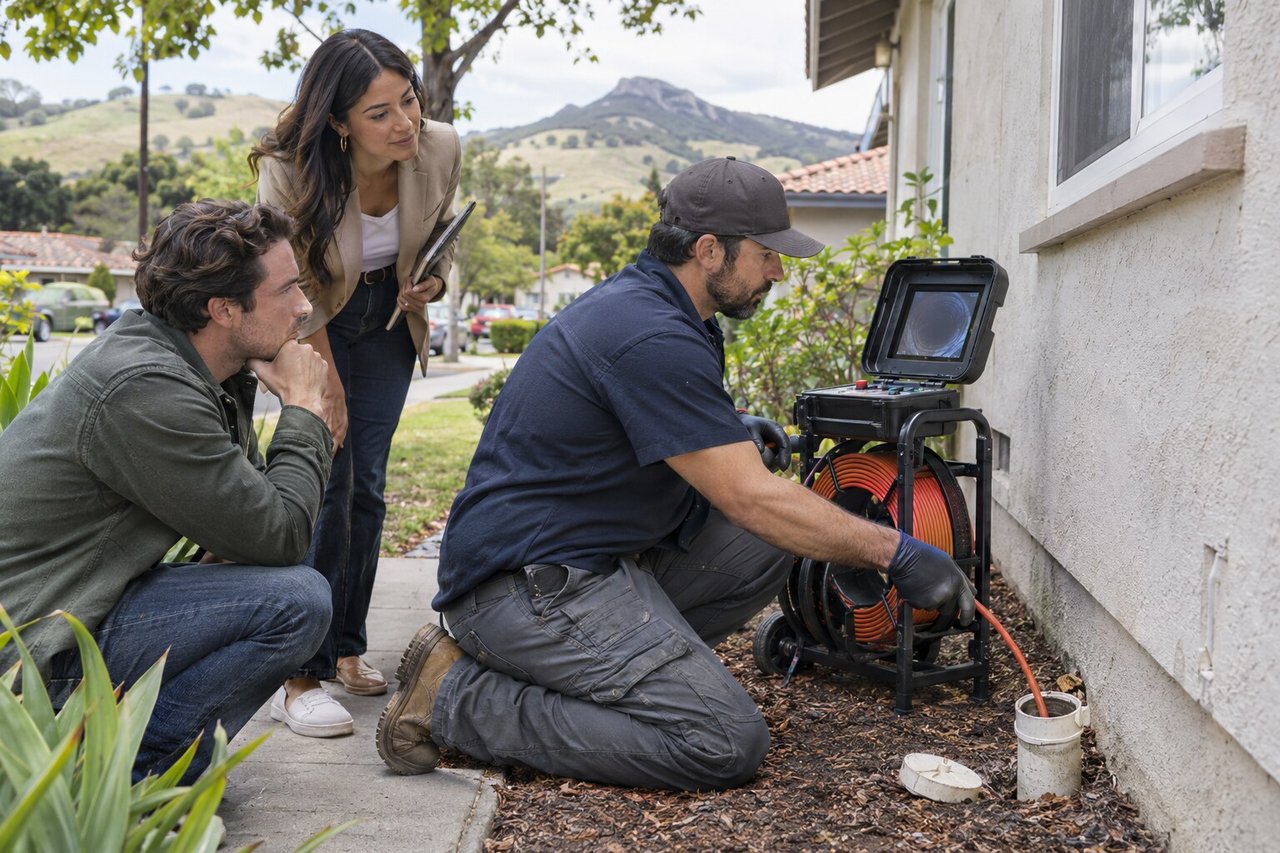
Understand inspection options, service history and the scope of any needed work.

Amber Johnson | November 20, 2026
Consider bike storage, route access and how rides fit into your ordinary week.
Amber Johnson | November 20, 2026
Compare commute convenience with traffic exposure at the specific homes you tour.

Amber Johnson | November 20, 2026
Amber Johnson | November 20, 2026
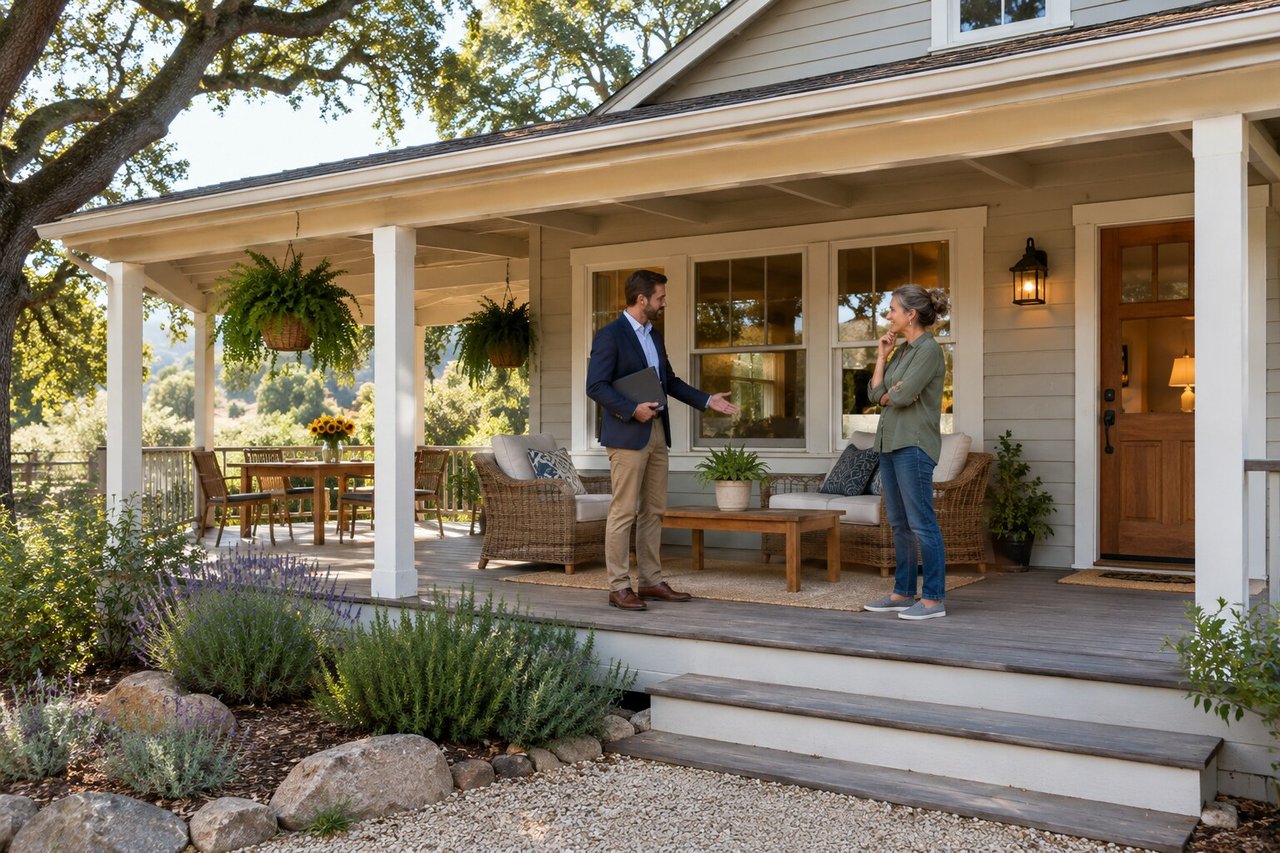
Show how the porch connects to daily living while presenting its condition honestly.
Amber Johnson | November 19, 2026
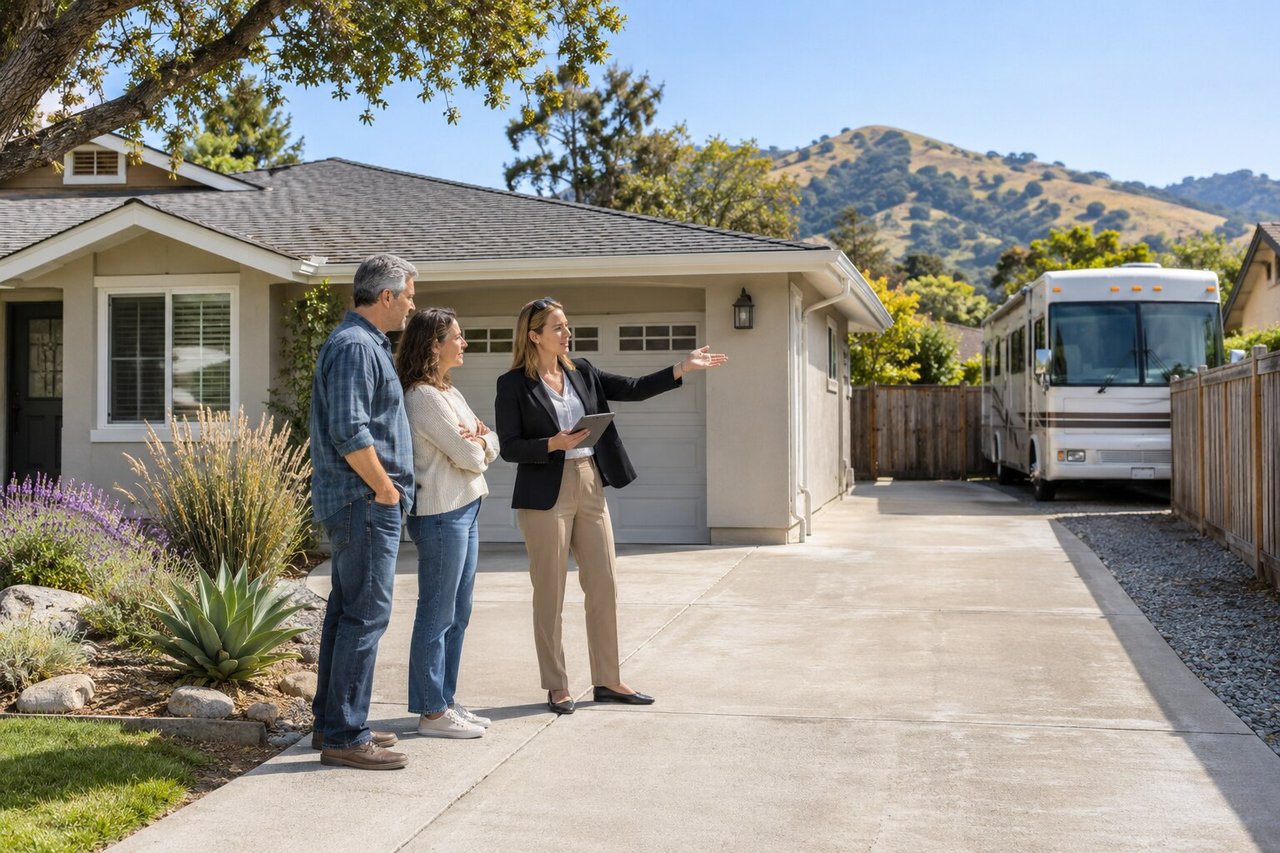
Check space, access, storage rules and travel habits at each home before deciding.
You’ve got questions and we can’t wait to answer them.
Amber Johnson, Founder
Pillar Real Estate
805.835.3425
DRE# 01925434
1345 Park Street
Paso Robles, CA 93446