Can I Handle Everyday Errands on Foot in Shell Beach?
October 18, 2026

October 18, 2026
You may be able to handle some everyday errands on foot in Shell Beach. Whether that works for you depends on the specific home, the places you actually use, and the route between them. Being close to the coast or a business district doesn't automatically mean you can leave the car parked all week.
For homeowners considering a move, that's a distinction worth making before choosing the next house. A short walk for one missing ingredient is different from carrying a full grocery order home. A route that feels comfortable on a relaxed morning may not fit a rushed evening.
I'm Amber Johnson, founder of Pillar Real Estate in Paso Robles. I help buyers, sellers, and relocating households compare homes throughout San Luis Obispo County. My approach is to look at your actual routine, not attach a broad lifestyle promise to a neighborhood name.
Here's how I'd evaluate whether Shell Beach would let you do the errands you want on foot.
Write down the trips you made during a normal week. Include food shopping, prescriptions, household supplies, meals out, appointments, and any other stops that matter to you. Separate necessary trips from activities you simply enjoy.
Then identify the actual destination for each errand. A nearby business may be useful, but it might not carry what you need. Don't assume a convenient-looking storefront replaces your usual shopping trip without checking its current offerings and hours.
Rank those trips by frequency and importance. Walking to an occasional lunch may be a nice extra. Being able to make your most frequent purchase without driving may have a bigger effect on your week.
Our guide to the pros and cons of living in Shell Beach provides broader context. For this decision, keep bringing the discussion back to your own list of errands.
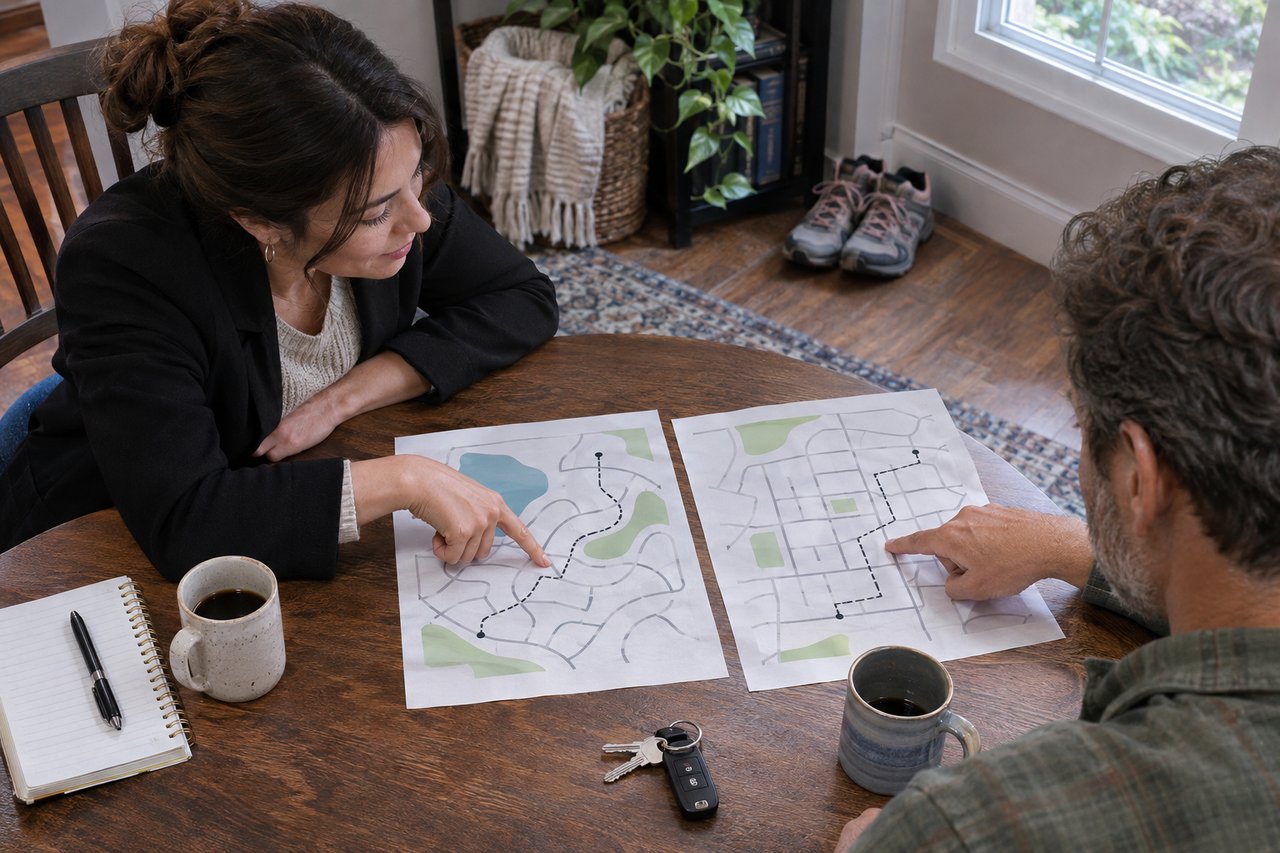
A map can help you identify possible destinations. It can't tell you how every part of the walk will feel. Start from the entrance you would normally use, not the closest edge of the property on a map.
Include any stairs, driveway slope, gate, or shared access between the home and the public sidewalk. Continue all the way to the business entrance. An easy-looking distance can include an awkward first or last section.
Look for sidewalk continuity, curb ramps, driveway crossings, and places where the walking area narrows. Notice whether parked vehicles or vegetation affect visibility. Don't assume the route is suitable for your needs because another person walks it.
If you use a mobility aid, stroller, or shopping cart, evaluate the route with that equipment when practical. A description such as nearby or a short walk is not a substitute for checking the conditions you would encounter.
Shell Beach Road has received pedestrian-related improvements. The streetscape project included sidewalk and curb-ramp upgrades, intersection bulb-outs, and a multi-use path connecting the Shell Beach Elementary School area with Dinosaur Caves Park. Cannon, the project's construction-management provider, documents those features.
Those improvements are useful context when you compare routes. They do not establish that every Shell Beach home has the same pedestrian connection or that every errand destination is accessible on foot from it.
Check the particular block and crossings rather than extending a description of the improved corridor to the entire area. Conditions can differ between the main road, a residential side street, and the approach to an individual property.
Also look at current conditions during your visit. A completed improvement project doesn't rule out a temporary obstruction or later work. If a route depends on a connection that is only proposed, don't count it as available today.
When you walk a potential errand route, pause at each crossing. Check where the designated crossing is, whether you can see approaching vehicles, and how turning traffic interacts with the walking route. Cross only when conditions permit.
Don't reduce the comparison to the number of blocks. Waiting at an intersection, returning uphill, or taking a longer route to a suitable crossing can change how the trip fits your day.
The relationship to Highway 101 also deserves attention when comparing addresses. Our article on living above Highway 101 or closer to the ocean in Shell Beach discusses that broader location choice. For errands, verify the actual pedestrian connections instead of drawing a straight line across the map.
You don't need to choose the shortest route. You need a route that you would realistically use. If the comfortable option adds a detour, include that detour in your time estimate.
Walking to a destination empty-handed can give you an incomplete answer. Think about what comes back with you. Groceries, a bulky package, or several household items can turn the same route into a different task.
During a trial visit, make a small, ordinary purchase if appropriate. Carry it back using the bag or cart you expect to use. Notice whether you need both hands free for a gate, a rail, or another part of the route.
Consider refrigerated items, awkward packaging, and how often you would need to shop if carrying capacity is limited. More frequent small trips may suit you. They may also be inconvenient if your schedule already feels crowded.
Neither answer is wrong. The useful question is whether the routine fits what you actually want. Don't plan around a version of yourself who suddenly enjoys several shopping trips a week if that isn't your preference now.
A home tour often happens at a convenient time for seeing properties. That may not be the time you would normally walk out for groceries or an appointment. Try the route during your likely errand window as well.
Confirm the destination is open when you need it. A business within walking distance doesn't help with an after-work errand if its hours don't match your schedule. Check directly rather than relying on an old directory entry.
Notice lighting, visibility, traffic activity, and how comfortable you feel with the available space. A daytime visit doesn't answer an evening question. If evening walking matters, assess that separately without treating one visit as a guarantee.
Think about coastal weather, too. Ask whether you would still choose the walk in conditions less appealing than those on your tour. Have a practical alternative for days when walking doesn't work.
Enjoying a walk near the ocean is a different benefit from having everyday necessities on your route. Both can matter when you choose a home. They answer different questions.
For example, our guide to everyday life near Dinosaur Caves Park in Shell Beach can help you consider that setting. Being near a park doesn't establish that the stores and services you need are nearby, open, or connected by a route that suits you.
Keep separate notes for recreation and errands. If the main attraction is an enjoyable daily walk, acknowledge that benefit honestly. Don't count it as evidence that you can also manage prescriptions, groceries, and appointments without a car.
This distinction helps sellers as well. Describe verified nearby features and actual routes accurately. Avoid claiming that everything is walkable when different buyers will need different destinations.
You don't have to complete every errand on foot for walking to improve your routine. A household might be happy walking for a few frequent small purchases while driving for larger shopping trips or specialized appointments.
Make two lists: errands you want to walk and errands you are comfortable driving. Then check whether the particular home supports that balance. Don't let an appealing short walk hide a problem with a trip you consider necessary.
If reducing car use is a major reason for moving, be specific about how much reduction you need. If living without a car is the goal, the standard is much higher. You would need to verify alternatives for every essential destination, not just the nearest shops.
For transit, delivery, or ride services you intend to rely on, confirm current availability, coverage, hours, and cost directly. Treat those as separate arrangements to verify, not automatic features of a Shell Beach address.
When two homes appeal to you, apply the same errand list to both. Start at each front door. Use the same destinations, carrying needs, and time of day where practical. Record the route you actually took.
Keep brief notes about the parts that mattered: a difficult slope, an extra crossing, a comfortable sidewalk connection, or a destination that didn't meet your needs. Your own observations will be more useful than a general label.
Include the rest of the home in the decision. A shorter errand route may be worth a tradeoff in yard size or layout to you. Another household may prefer the home that requires more driving. There isn't one correct ranking.
Before changing your budget or selling your current property to make the move, review the complete plan. The next home should support your everyday life as well as the features that first attracted you.
So, can you handle everyday errands on foot in Shell Beach? Potentially, yes, for the trips that have suitable destinations and workable routes from your particular home. That is something to test, not assume.
The strongest answer comes from a real errand, at your normal pace, with the things you would carry home. Be honest about the trips that still need a car or another verified option.
At Pillar Real Estate, I help SLO County homeowners connect their selling plans with what they want from the next home. We can compare specific Shell Beach properties and the daily tradeoffs before you commit to a move.
Visit Sell With Amber to talk through selling your current home and choosing a next home that makes sense for your goals.
Amber
Pillar Real Estate | Amber Johnson, Founder
805.835.3425 | [email protected]
1345 Park St. Paso Robles, CA 93446 | DRE# 01925434

Amber Johnson | November 4, 2026
Test service at a specific address against your workday needs before buying.

Amber Johnson | November 4, 2026
Amber Johnson | November 4, 2026
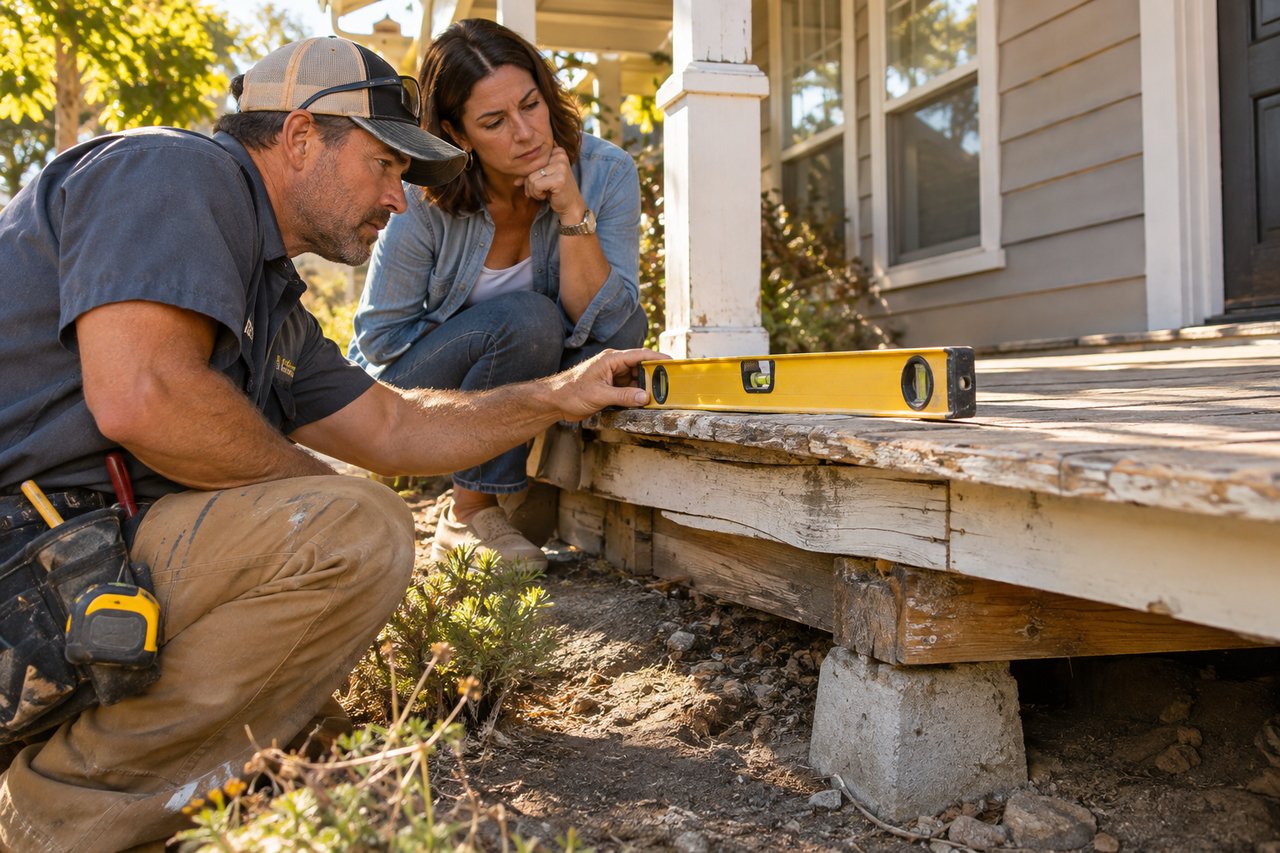
Assess the porch condition, safety and repair scope before choosing a listing plan.
Amber Johnson | November 4, 2026
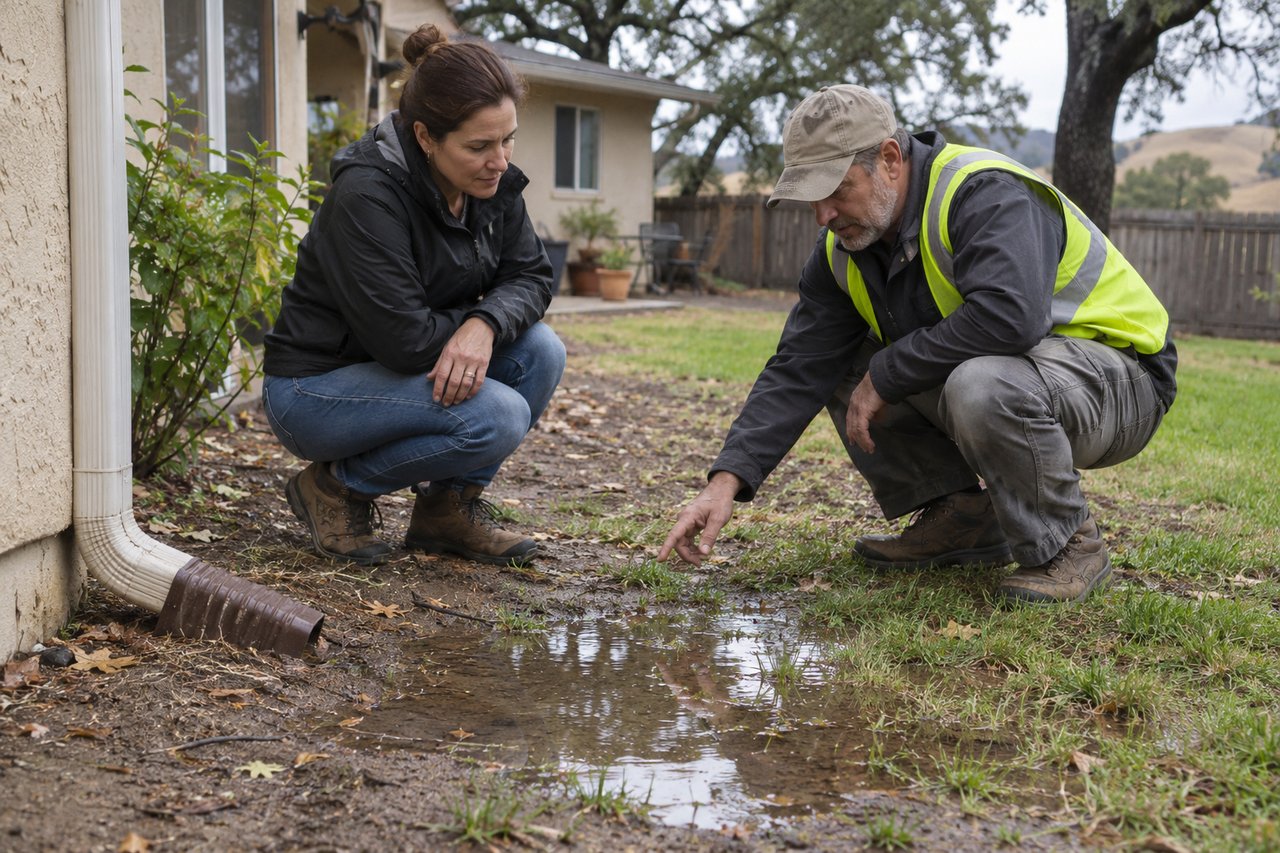
Identify the cause and compare repair options before buyers see the yard.
Amber Johnson | November 4, 2026
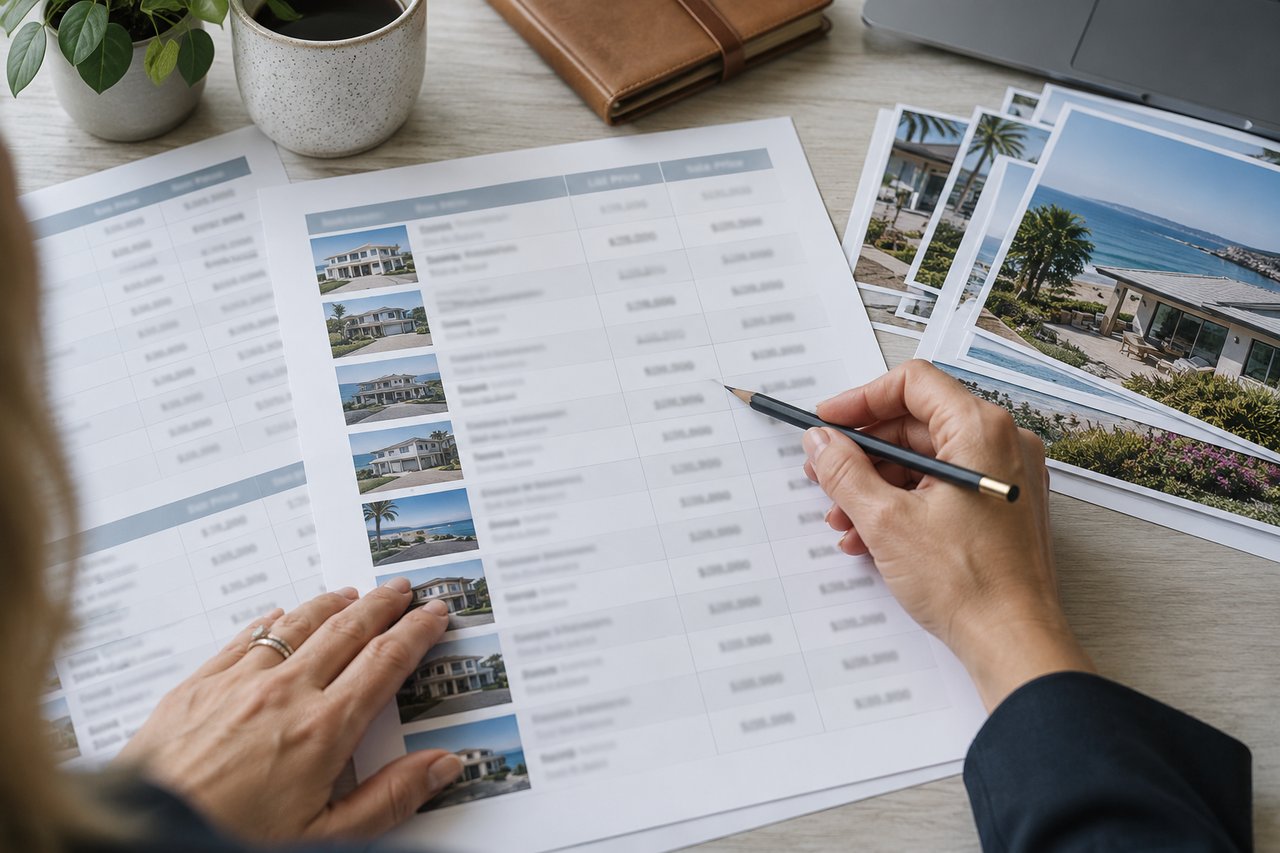
Understand what the gap may reflect, which price changes came first and why property type and timing still matter.
Amber Johnson | November 4, 2026
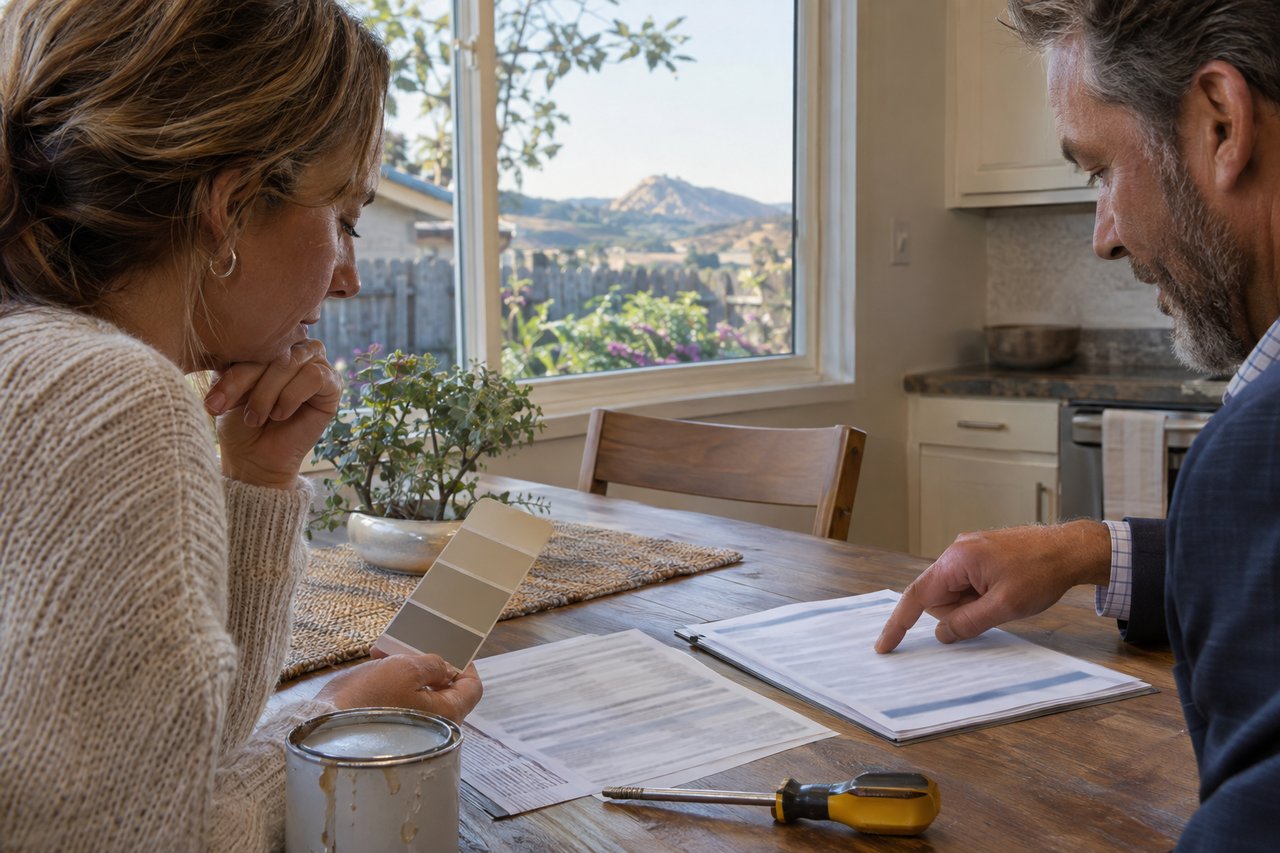
Compare the cost, timing and buyer impact of each option before choosing.

Amber Johnson | November 4, 2026
Review the well arrangement, records and equipment before committing to the property.

Amber Johnson | November 3, 2026
Think through market access, travel and how often the routine fits your week.
Amber Johnson | November 3, 2026
Compare the daily routes and home settings that matter to you in each area.
You’ve got questions and we can’t wait to answer them.
Amber Johnson, Founder
Pillar Real Estate
805.835.3425
DRE# 01925434
1345 Park Street
Paso Robles, CA 93446