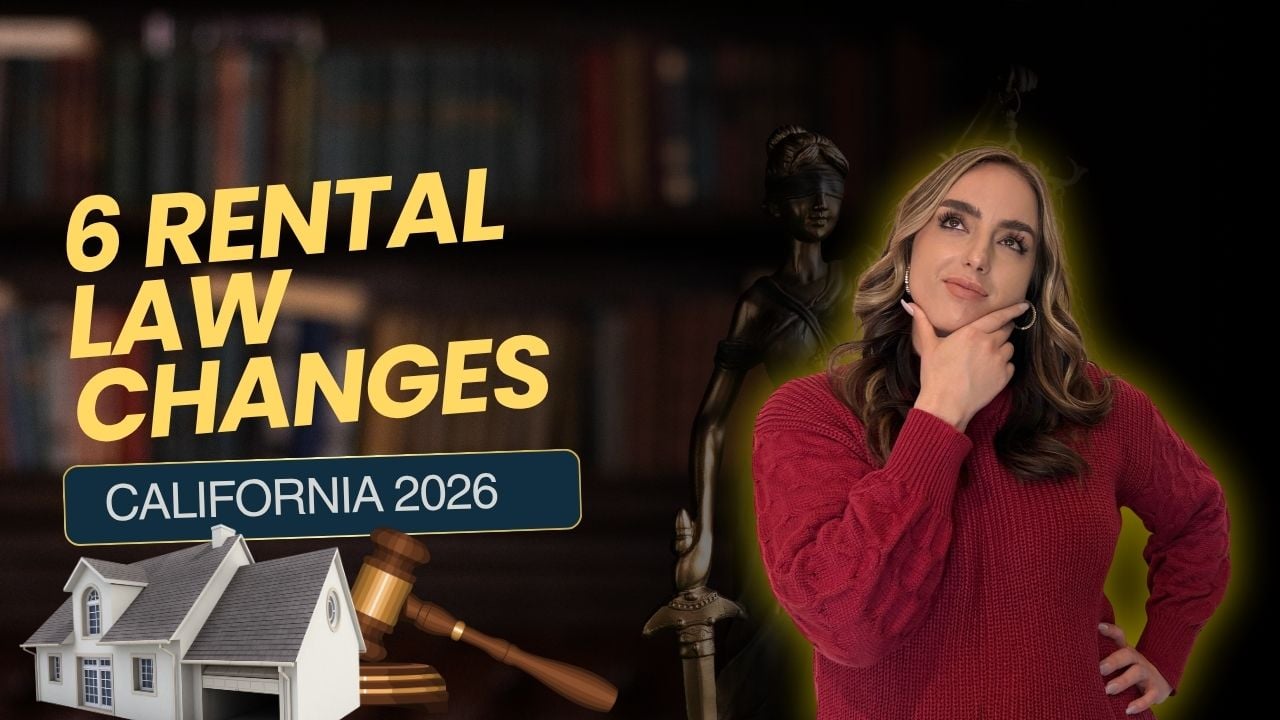
6 California Rental Law Changes SLO County Landlords Should Know in 2026
August 27, 2026
August 27, 2026
If you own rental property in San Luis Obispo County, 2026 brought several California landlord-tenant law changes worth knowing about.
They cover everything from appliances and security deposits to disasters, internet services, eviction proceedings, and proof of service.
Here's a plain-English overview.
Important: This article is general information, not legal advice. California landlord-tenant laws can include exceptions, definitions, effective-date provisions, and property-specific requirements. Consult a qualified attorney about how a law applies to your particular situation.
1. AB 628: Working Stoves and Refrigerators
AB 628 adds working stoves and refrigerators to California's rental habitability requirements.
According to the California Apartment Association material provided for this article, the law applies to leases entered into, amended, or extended on or after January 1, 2026.
Stoves must be maintained in good working order and safely generate heat for cooking. Refrigerators must be maintained in good working order and safely store food.
There are also rules involving recalls. A landlord must repair or replace a covered stove or refrigerator subject to a manufacturer recall within 30 days after receiving notice of the recall.
There is an important distinction between the two appliances.
The tenant cannot provide their own stove as an alternative.
A tenant may voluntarily elect to provide their own refrigerator when the statutory requirements and lease disclosures are satisfied. The material provided also indicates a tenant who initially chooses to provide a refrigerator can later notify the landlord that they no longer wish to do so, triggering a 30-day period for the landlord to provide one.
For rental-property owners, this is one reason to review lease forms before entering into, amending, or extending a lease.
2. AB 414: Changes to Security Deposit Handling
AB 414 changes aspects of California's security-deposit process.
According to the material provided, when a deposit was paid electronically, the remaining security deposit generally must be returned electronically unless the parties agree in writing to another method.
Tenants must also be notified about their right to electronic return.
The law addresses electronic delivery of itemized statements by agreement and procedures involving multiple adult tenants.
AB 414 does not change the existing 21-day deadline for returning the remaining deposit and providing the required accounting.
Don't Forget the 2025 Security Deposit Photo Rules
These aren't new January 2026 requirements, but they're important enough to mention.
The material provided notes California security-deposit photo documentation requirements that took effect during 2025, including move-out documentation and move-in photos.
Rental-property owners who haven't already updated their procedures should make sure they're reviewing these requirements as well.
3. SB 610: Post-Disaster Rental Protections
SB 610 addresses landlord and tenant responsibilities following certain disasters such as wildfires and floods.
The supplied material describes requirements involving debris, smoke residue, ash, mold, asbestos, and water damage when restoring affected rental units to habitable condition.
It also describes rules involving rent during mandatory evacuations and tenant rights to return after remediation.
For Central Coast rental-property owners, disaster-related requirements are worth understanding before an emergency occurs rather than trying to figure them out afterward.
4. AB 1414: Tenant Internet Choice
AB 1414 addresses bulk internet or service arrangements.
According to the supplied material, tenants must be allowed to opt out of certain bulk internet or service fees charged under a lease, and landlords may not require tenants to use a specific internet service provider.
Rental-property owners with internet or other bundled-service provisions in their leases should review those arrangements.
5. AB 246: Social Security Benefit Disruptions and Eviction Proceedings
AB 246 addresses a specific circumstance involving nonpayment of rent and Social Security benefits.
According to the material provided, tenants who cannot pay rent because of verified delays, interruptions, or reductions in Social Security benefits may raise an affirmative defense in a nonpayment eviction proceeding.
If established, the supplied material states that a court must stay the eviction action for up to six months or until Social Security benefits are restored, whichever occurs first.
This is a good example of why rental-property owners should seek legal advice before proceeding with an eviction.
6. AB 747: Proof of Service Requirements
AB 747 adds information requirements involving proof of service for certain notices served on tenants and for unlawful detainer summonses and complaints.
This may sound procedural, but eviction and notice procedures are areas where details matter.
Landlords should make sure the forms and processes they're relying on reflect current California requirements.
What Should SLO County Rental Property Owners Do?
Don't rely on a social media post as your legal checklist.
Instead, use this information as a prompt to review your rental-property procedures.
That may include your lease documents, appliance provisions, security-deposit procedures, internet arrangements, disaster protocols, tenant notices, and eviction procedures.
Then talk with the appropriate California legal or property-management professional about what applies to your property.
Rules can depend on the property and the situation.
Knowing about a change is the first step. Understanding how it applies to you is the important part.
Where Can California Landlords Learn More?
Here are several state resources worth bookmarking.
California Attorney General – Landlord-Tenant Resources
The California Attorney General provides information and resources concerning landlord-tenant rights and responsibilities.
California Department of Real Estate – Real Estate Law Resources
https://www.dre.ca.gov/Newsroom/DRE_Updates/2025_01_08_RELaw_Guide.html
The California Department of Real Estate provides resources concerning California real estate law and regulatory topics.
California Legislative Information
https://leginfo.legislature.ca.gov/
This is an especially useful resource when you want to go beyond a summary and review the legislation itself.
For this article, search for:
AB 628
AB 414
SB 610
AB 1414
AB 246
AB 747
Whenever possible, I recommend reviewing the actual legislation rather than relying solely on summaries.
These resources are useful starting points, but laws can include definitions, exceptions, deadlines, and property-specific requirements.
If you have questions about your legal obligations as a landlord, consult a qualified California attorney.
Amber Johnson, Founder
Pillar Real Estate
805.835.3425
[email protected]
1345 Park St. Paso Robles, CA 93446
DRE# 01925434
Amber Johnson | November 13, 2026
Amber Johnson | November 13, 2026
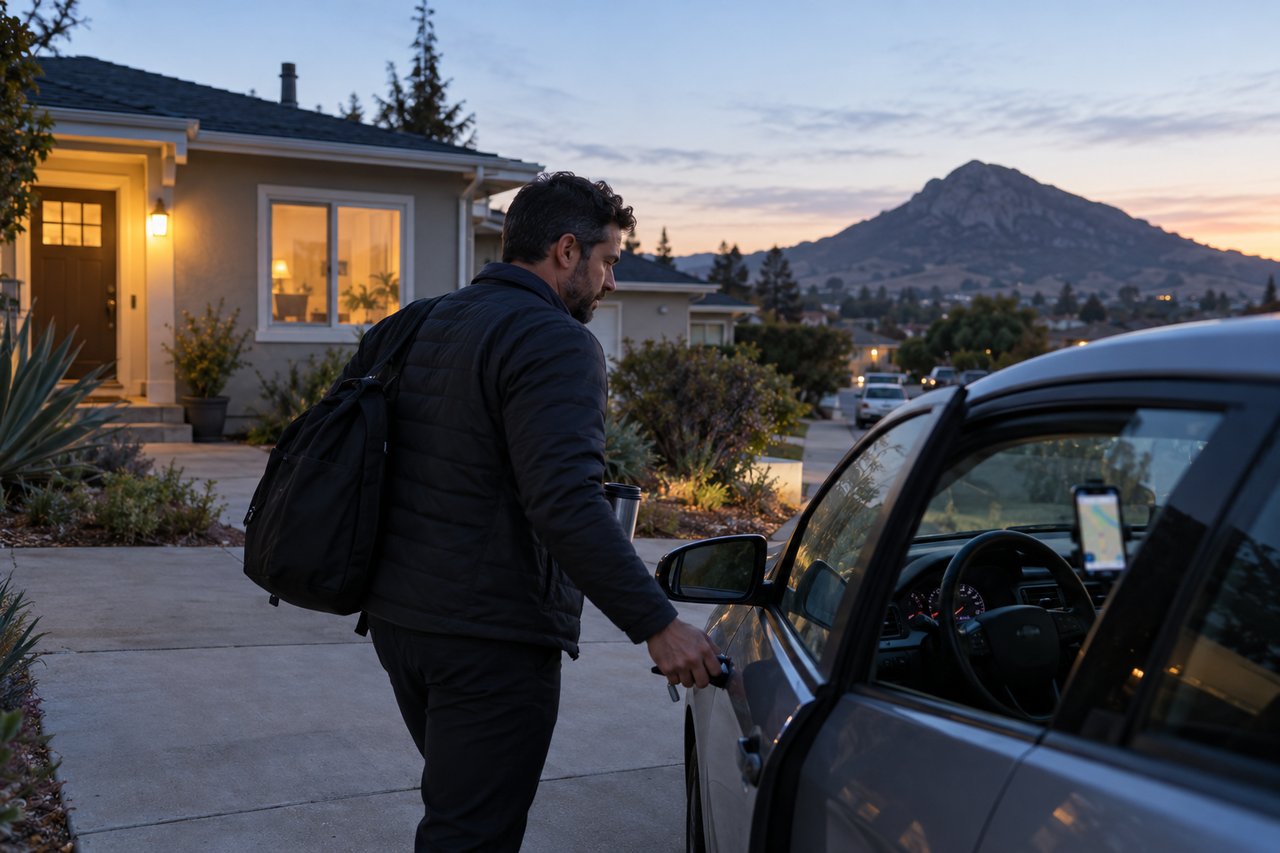
Test the route, schedule, backup plans and the trip from a specific home before deciding whether the commute fits.
Amber Johnson | November 12, 2026
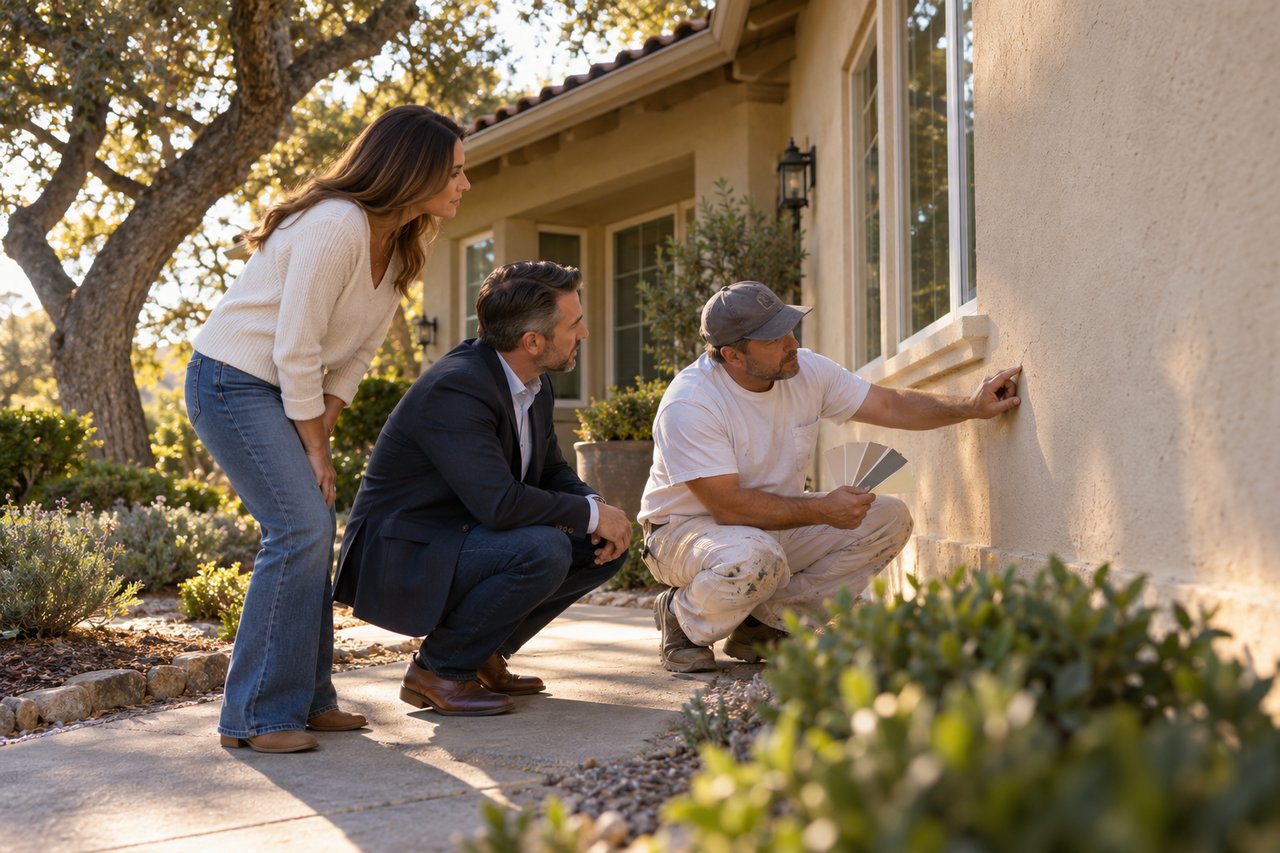
Compare coating condition, underlying damage, cost and curb appeal before deciding whether repainting makes sense.

Amber Johnson | November 11, 2026

Amber Johnson | November 11, 2026
Amber Johnson | November 11, 2026
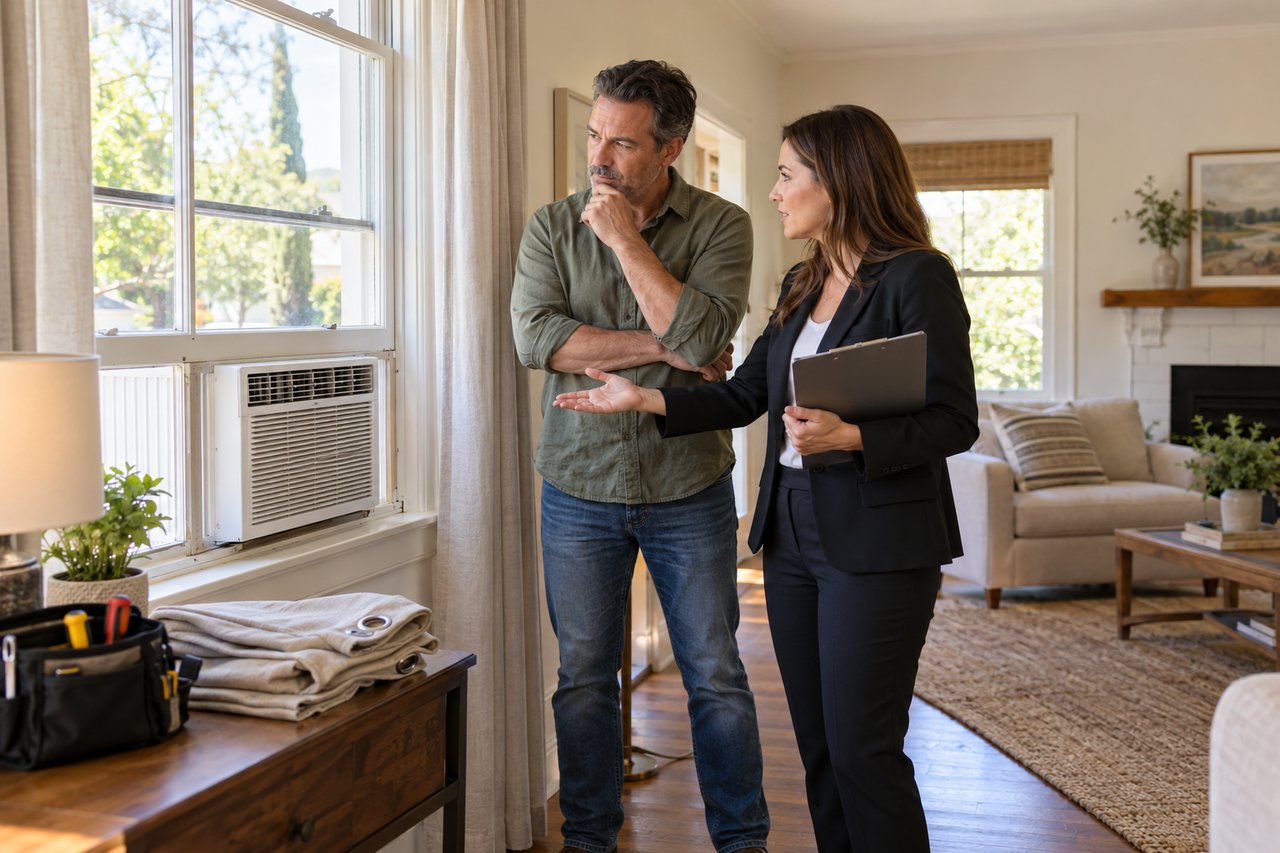
Compare appearance, operation, window condition and buyer expectations before deciding whether the units should stay.
Amber Johnson | November 10, 2026
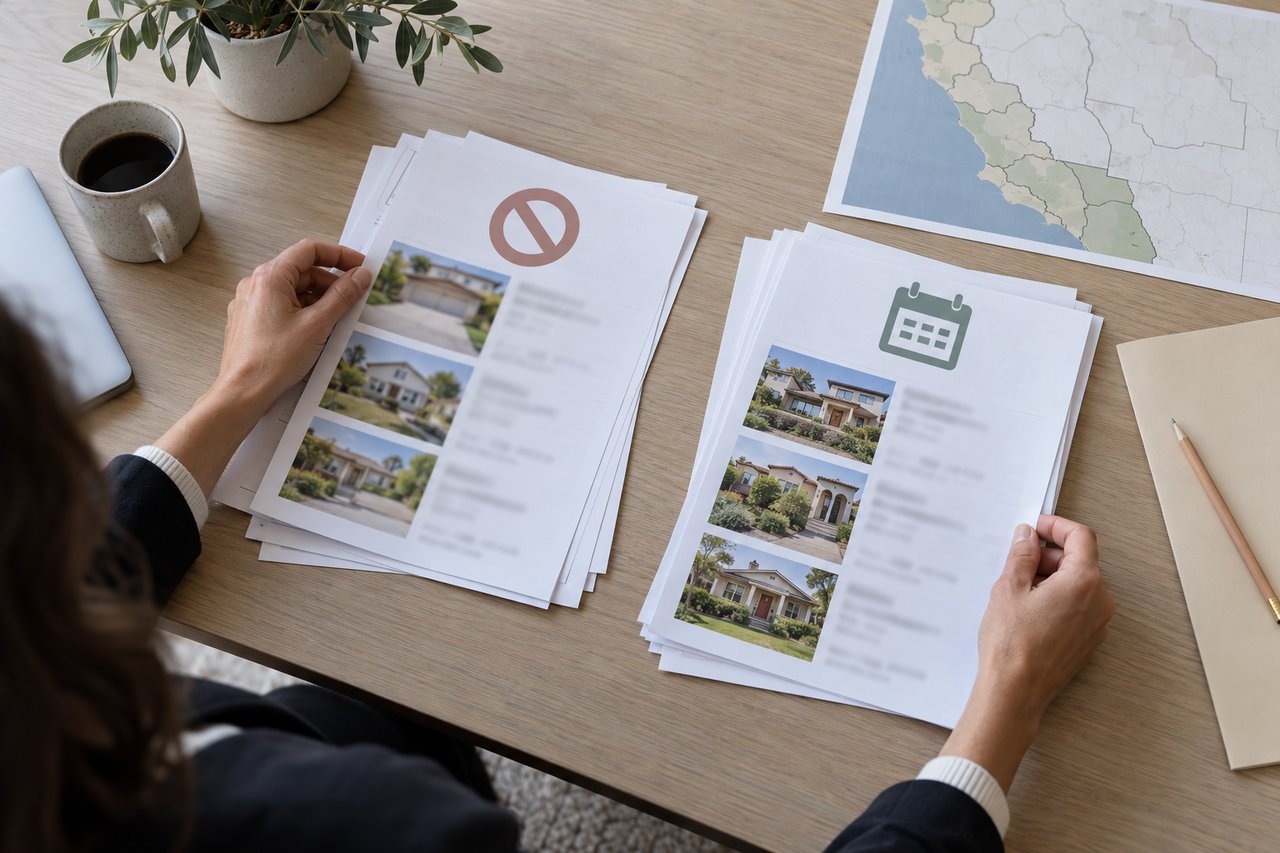
Learn what each listing outcome may mean, what it leaves unanswered and how price range, location and timing affect the comparison.

Amber Johnson | November 9, 2026
Amber Johnson | November 9, 2026
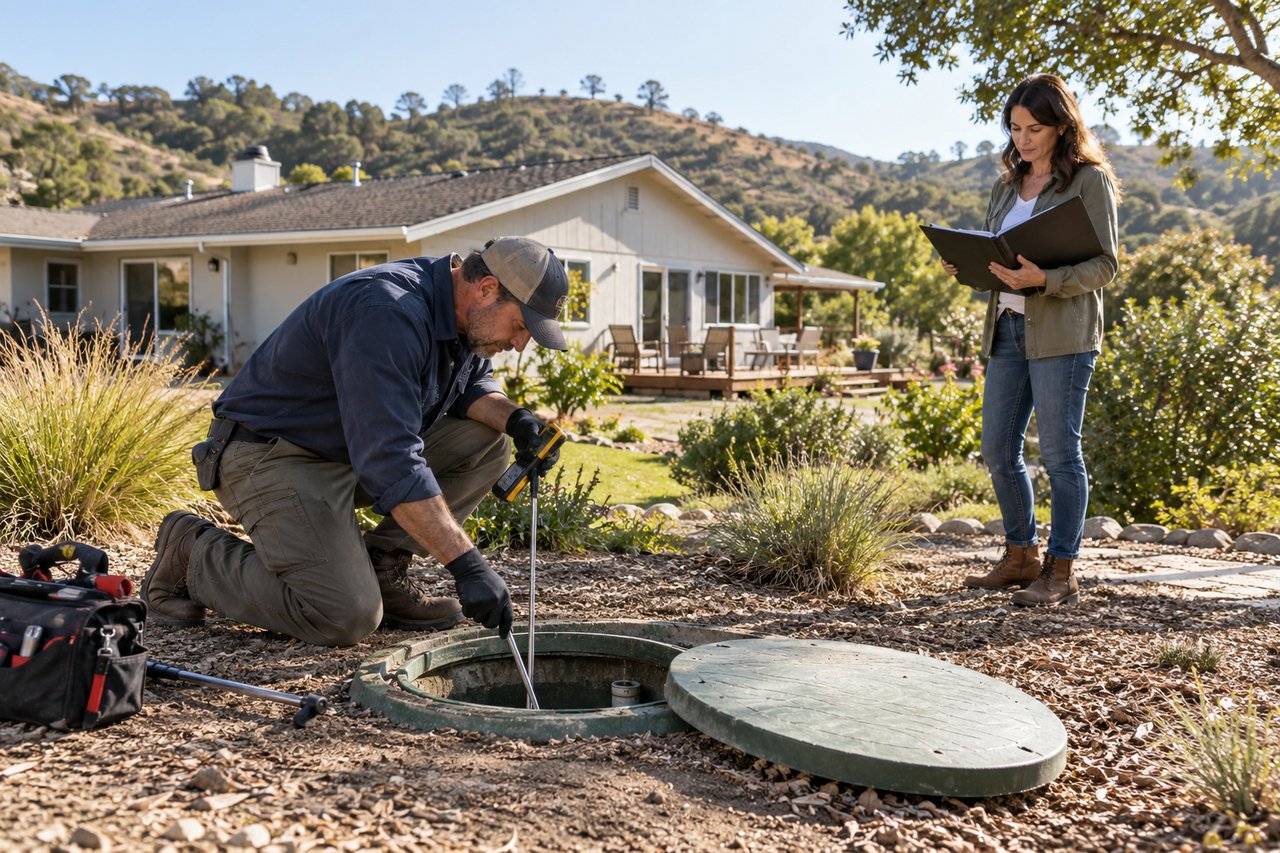
Review inspection findings, service records, capacity, access and local requirements before relying on the system.
You’ve got questions and we can’t wait to answer them.

Amber Johnson, Founder
Pillar Real Estate
805.835.3425
DRE# 01925434
1345 Park Street
Paso Robles, CA 93446